Crystal & mineral guide
Talc
Mg₃Si₄O₁₀(OH)₂
Softest Mohs mineral — greasy feel defines industrial talc/soapstone.
Identify Talc with RockScanAbout Talc
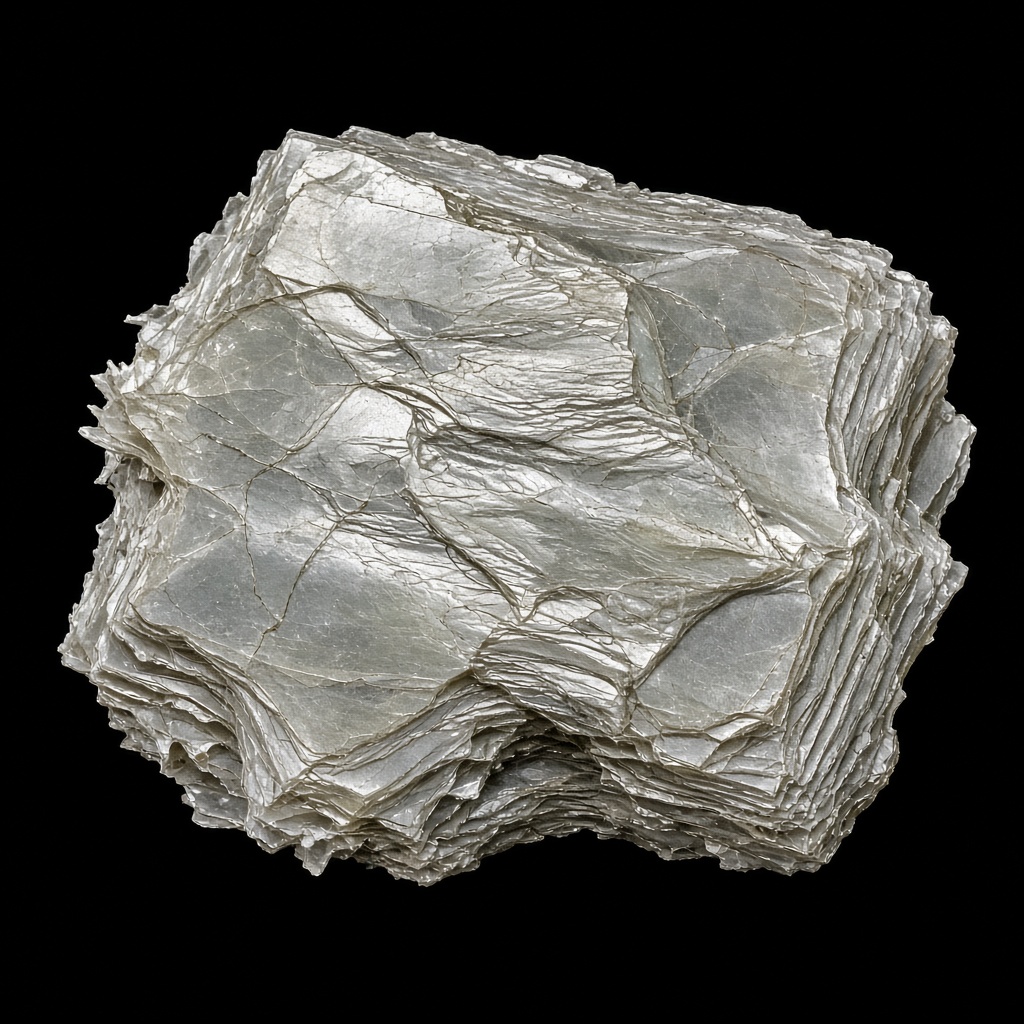
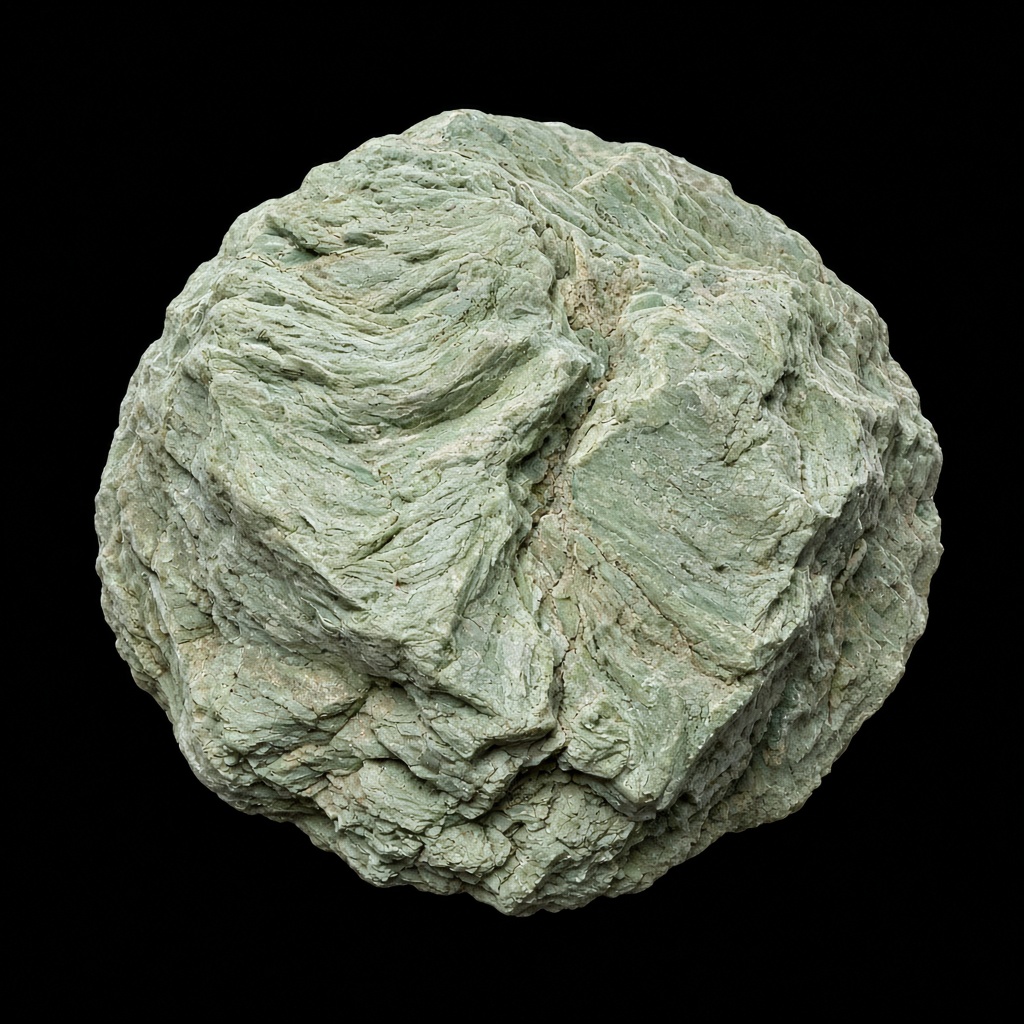
Talc defines Mohs hardness 1 with a distinctive greasy feel. Massive talc (soapstone/steatite) is carved and used industrially in paper, plastics, and ceramics. Soft enough that jewelry use is limited to protected carvings.
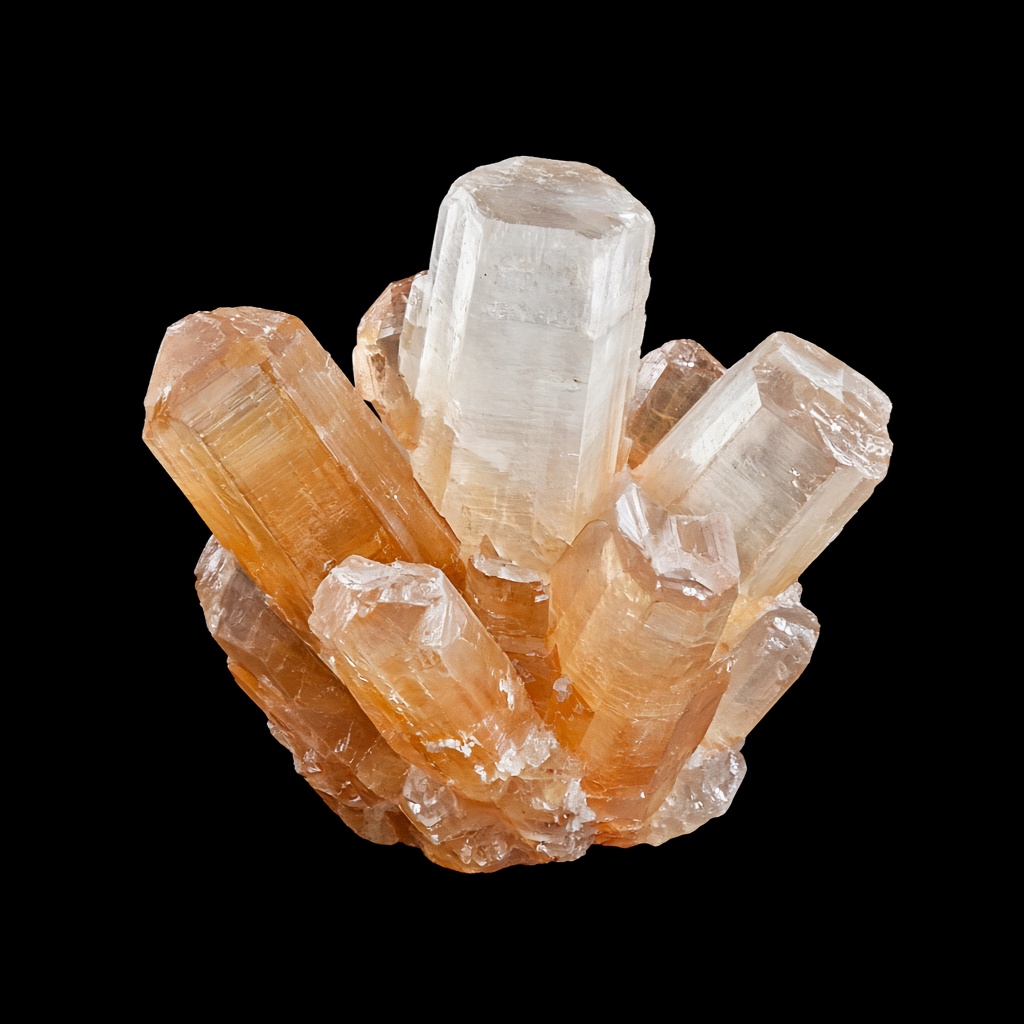
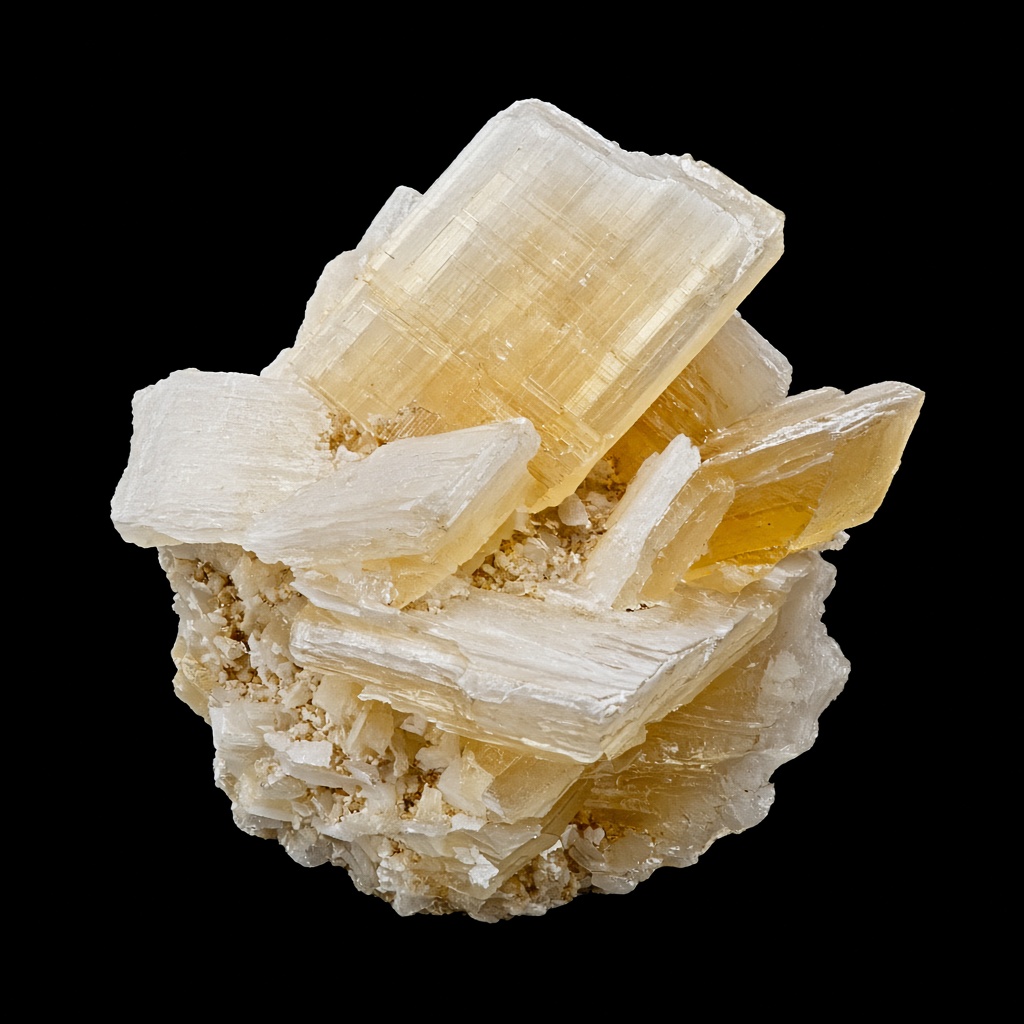
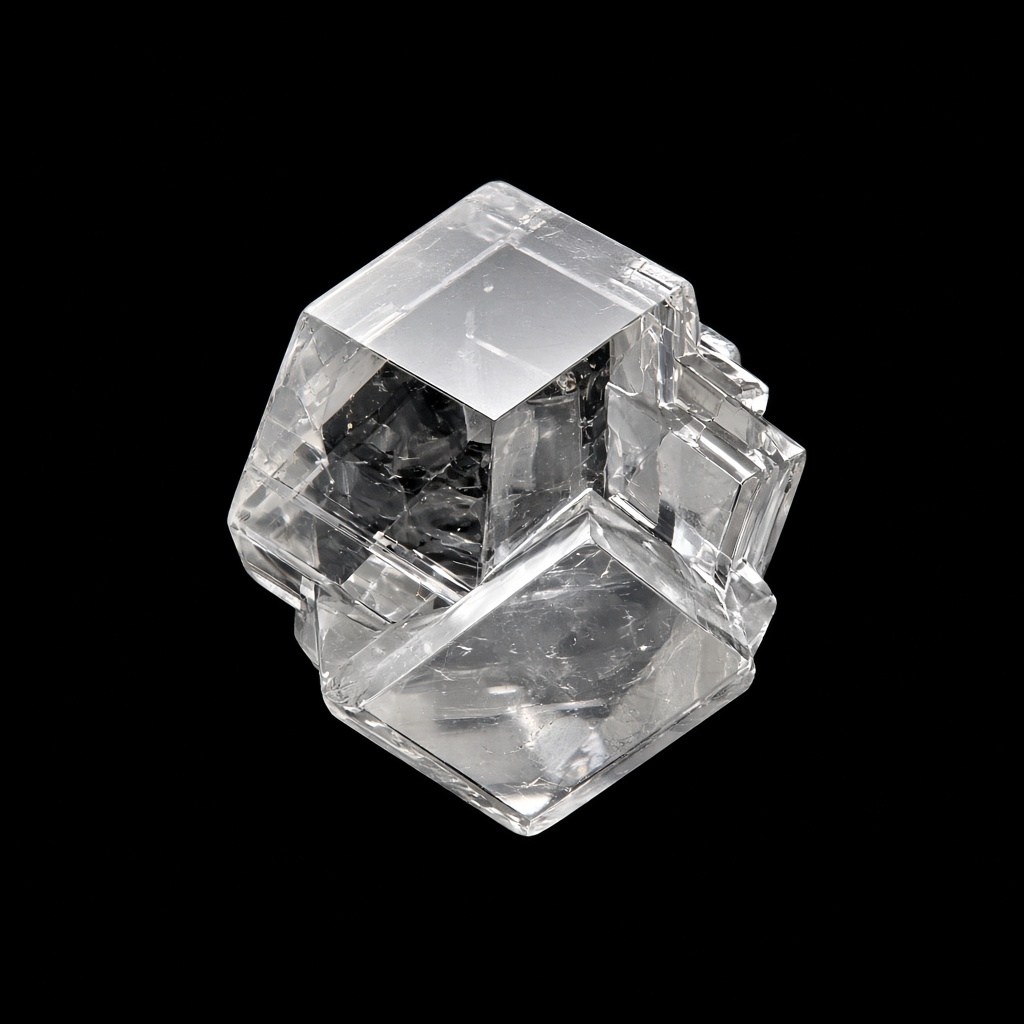
Talc belongs in a crystal identifier workflow because photo cues — color zoning, crystal habit, and surface luster — combine with measurable traits like Mohs 1 and specific gravity 2.58–2.83. Use RockScan’s camera to get a first-pass ID, then confirm with the checklist below.
Talc properties
| Mohs hardness | 1 |
|---|---|
| Crystal system | Monoclinic |
| Luster | Pearly to greasy |
| Color | White, green, gray |
| Composition | Hydrated magnesium silicate |
| Formation | Metamorphism of ultramafic rocks and dolomites |
| Occurrence | China, India, USA, Brazil, France |
| Specific gravity | 2.58–2.83 |
| Cleavage | Perfect basal |
How to identify Talc
- Hardness 1; greasy feel
- Perfect basal cleavage
- Soft white streak
Collector notes
- Defines the bottom of the Mohs scale
- Soapstone has been carved for millennia for vessels and sculptures
Value context: Industrial grades by purity/brightness; fine soapstone for carving.
Talc FAQ
How do you identify Talc?
Talc (Mg₃Si₄O₁₀(OH)₂) is typically recognized by white, green, gray color, pearly to greasy luster, Mohs hardness 1, and monoclinic crystal system. RockScan can suggest Talc from a photo and surface these checks on the result card.
What is Talc made of?
Talc composition: Hydrated magnesium silicate. It forms via metamorphism of ultramafic rocks and dolomites and is found in China, India, USA, Brazil, France.
Is Talc valuable?
Industrial grades by purity/brightness; fine soapstone for carving.