Crystal & mineral guide
Barite
BaSO₄
High-density sulfate — drilling mud weighting agent and collector blades.
Identify Barite with RockScanAbout Barite
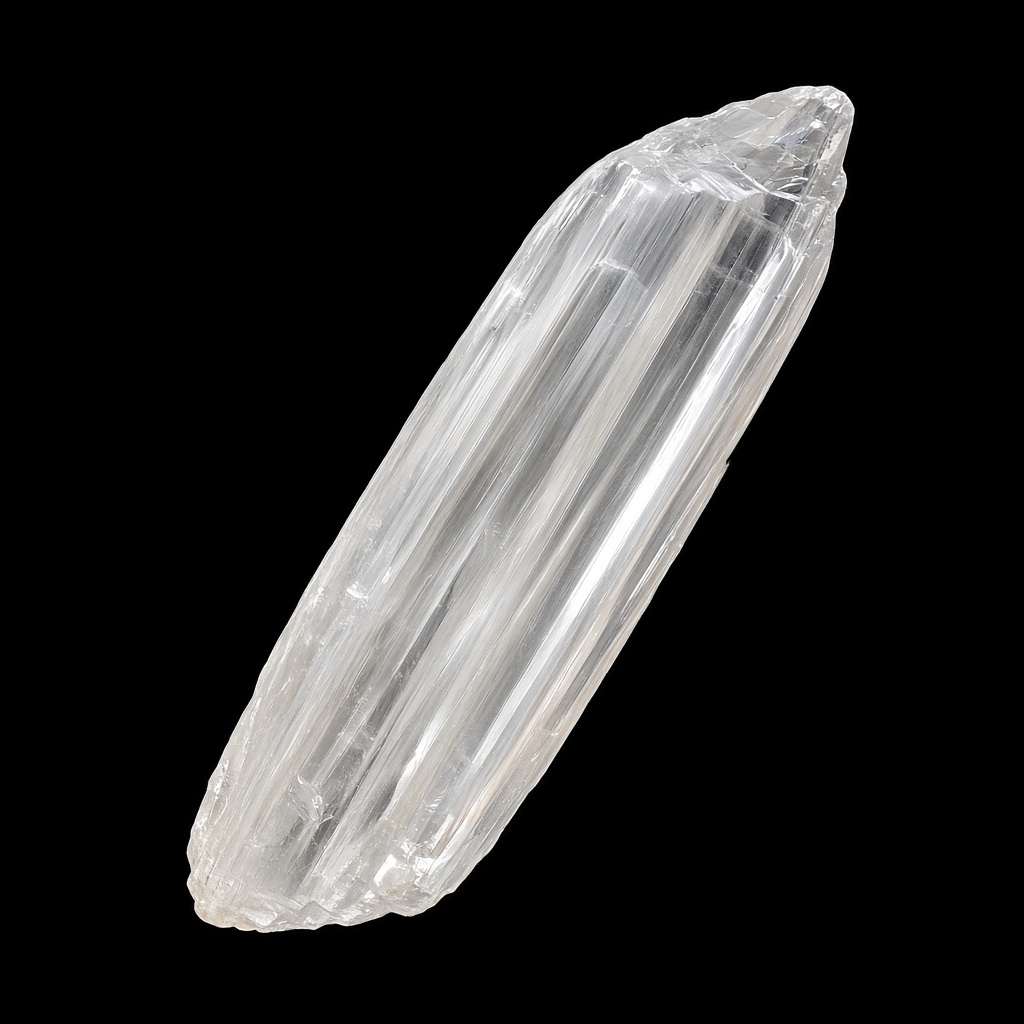
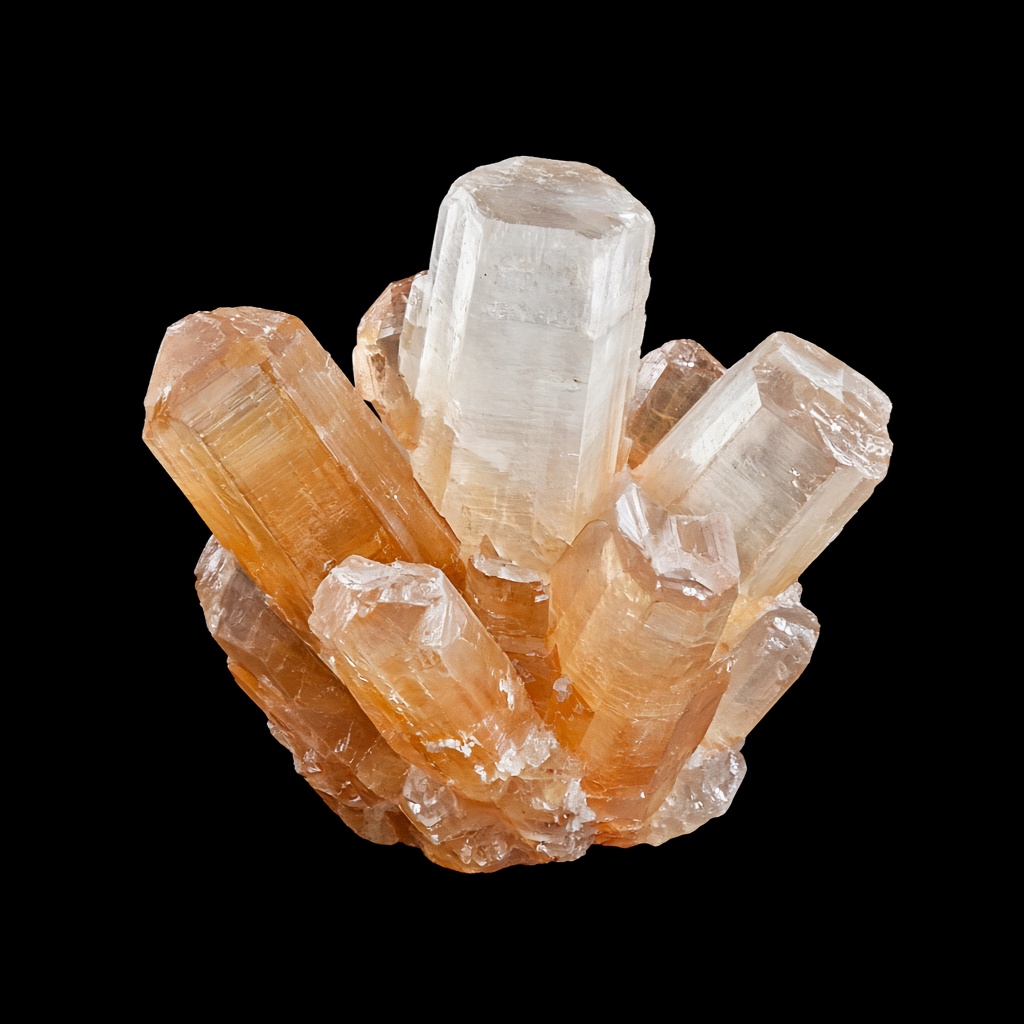
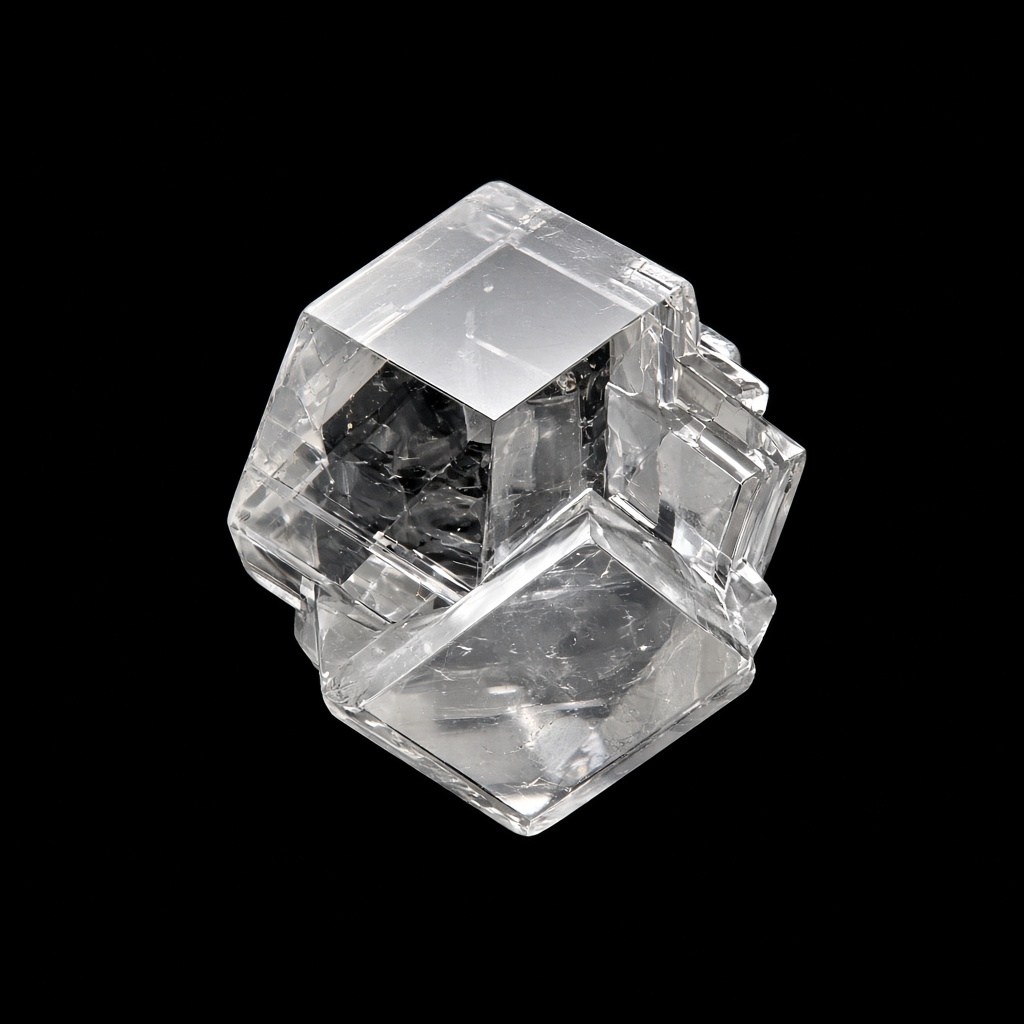
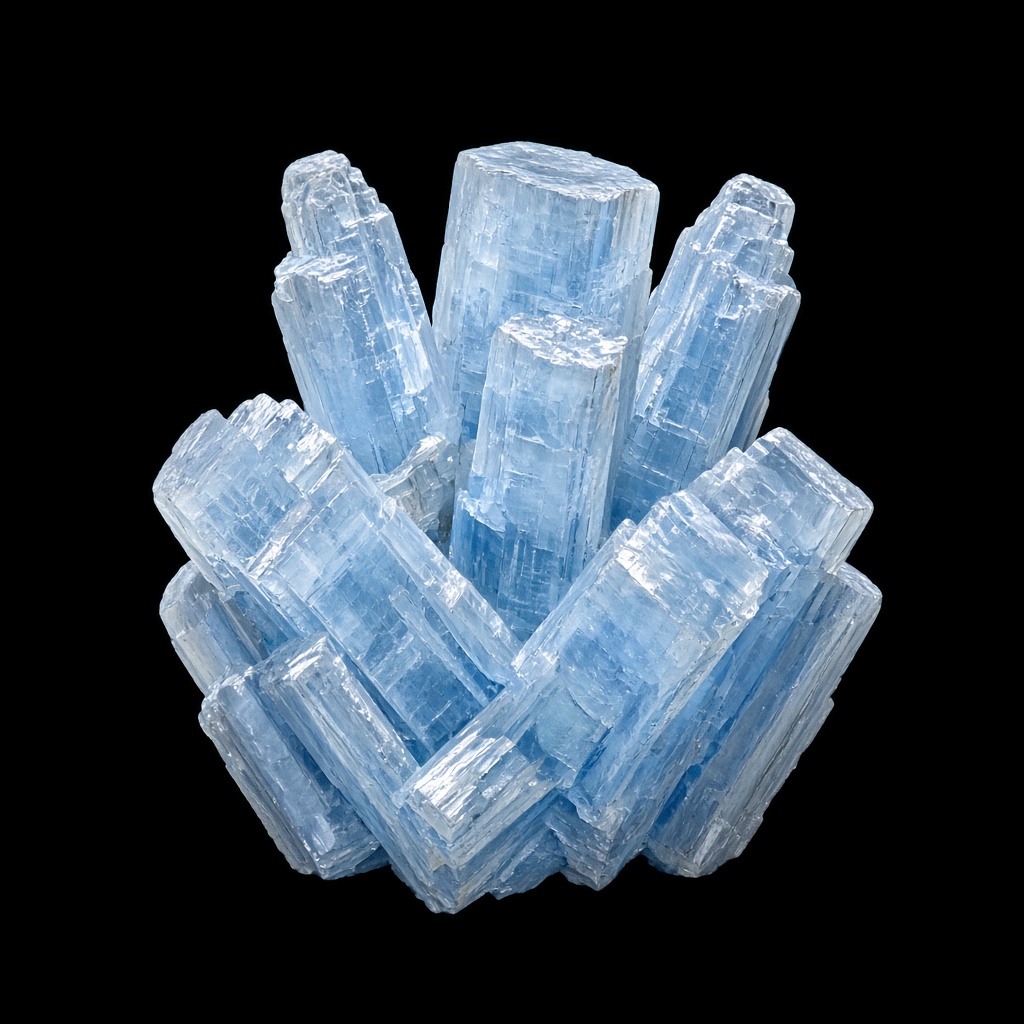
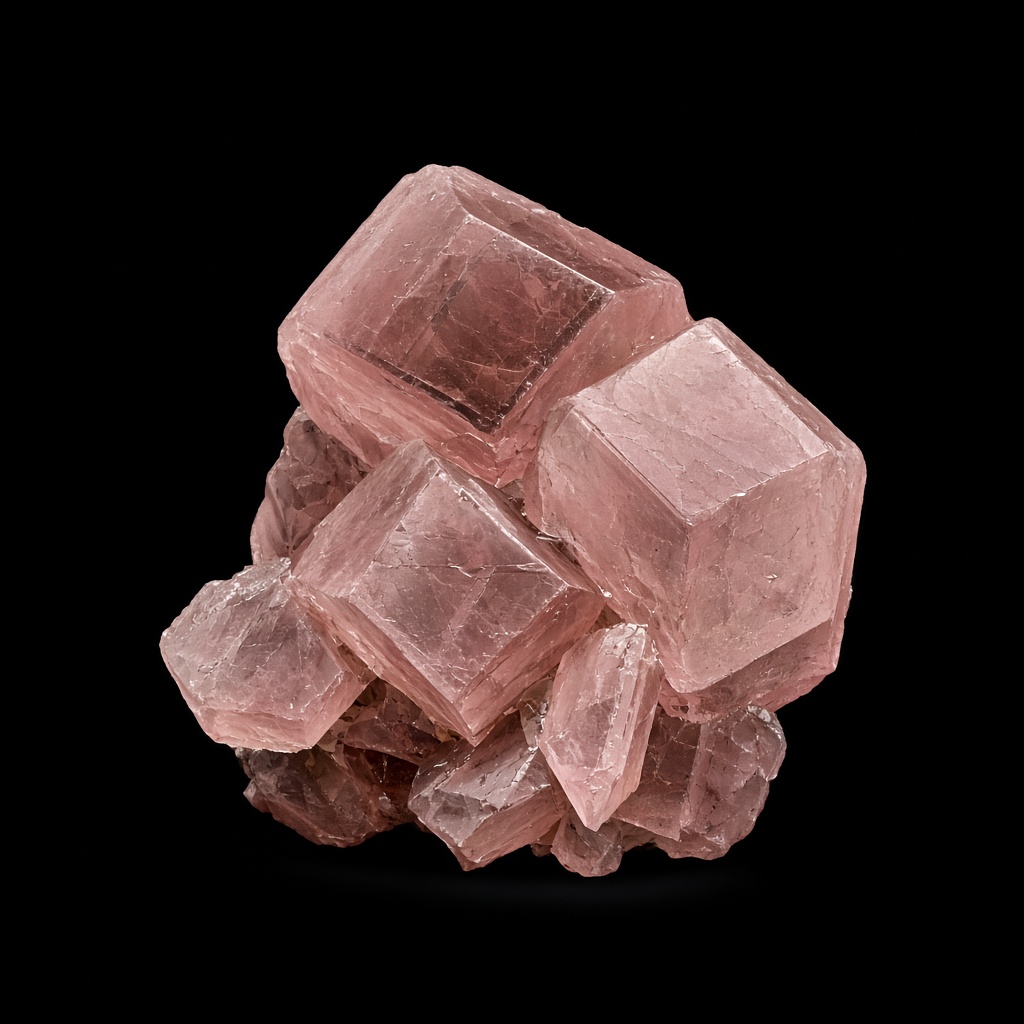
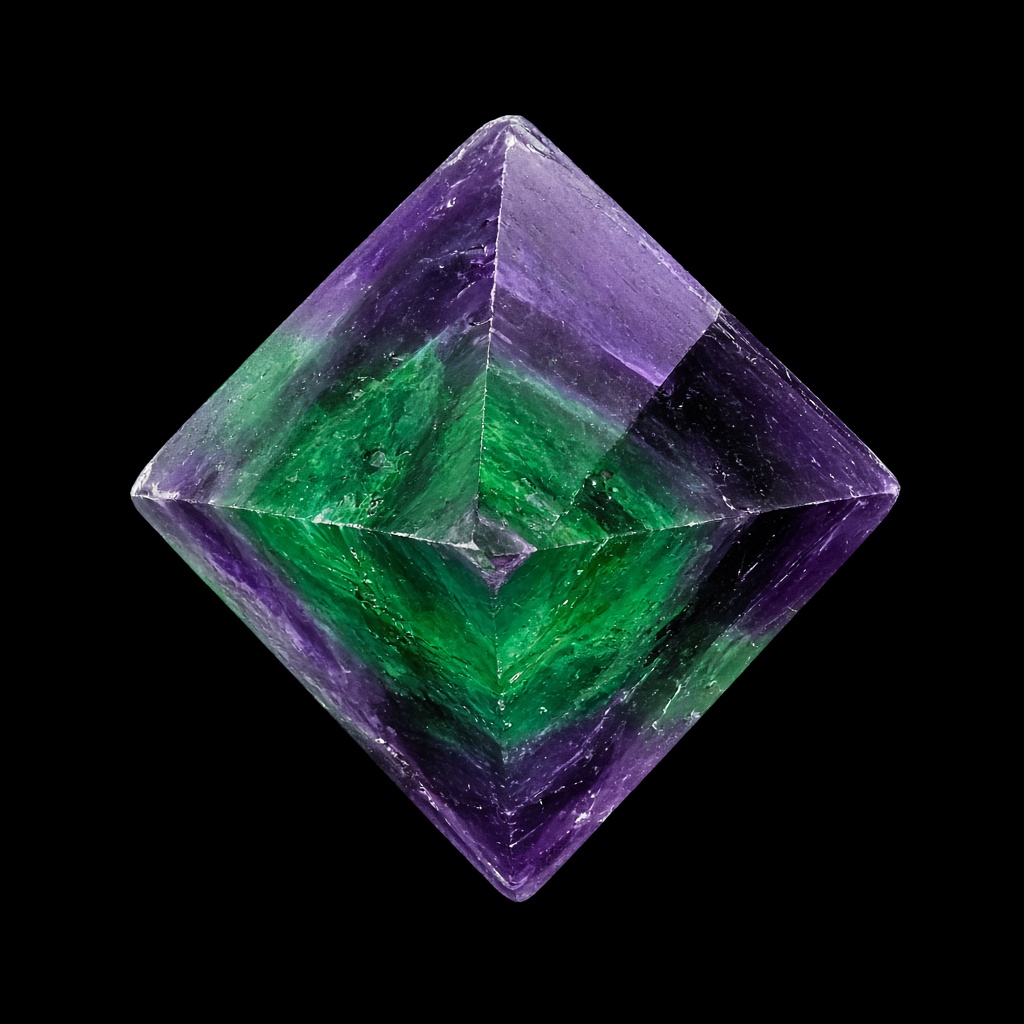
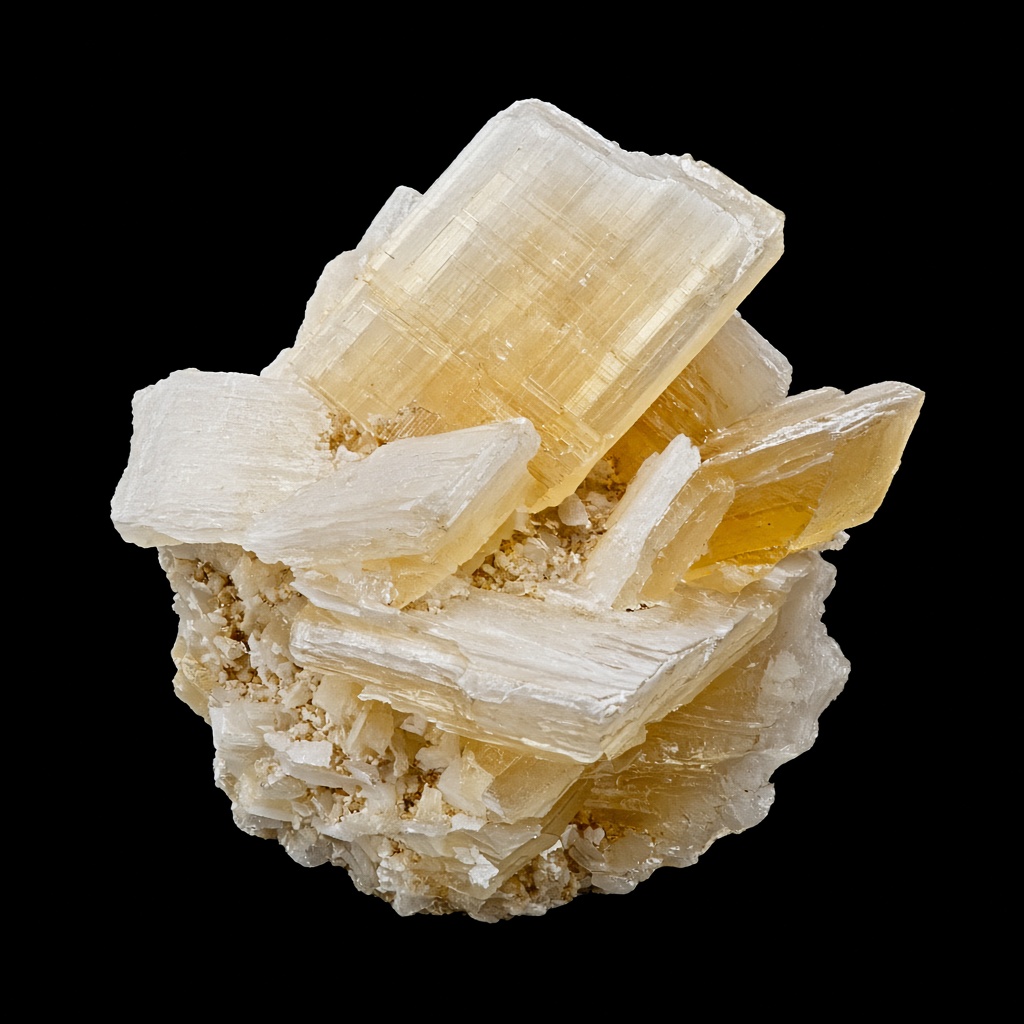
Barite (baryte) is unusually heavy for a non-metallic mineral, used to weight oil and gas drilling muds. Tabular crystals and desert rose forms are collectible. Does not fizz in acid. Blue British and Moroccan specimens are popular.
Barite belongs in a crystal identifier workflow because photo cues — color zoning, crystal habit, and surface luster — combine with measurable traits like Mohs 3–3.5 and specific gravity 4.3–4.6. Use RockScan’s camera to get a first-pass ID, then confirm with the checklist below.
Barite properties
| Mohs hardness | 3–3.5 |
|---|---|
| Crystal system | Orthorhombic |
| Luster | Vitreous to pearly |
| Color | Colorless, white, blue, brown |
| Composition | Barium sulfate |
| Formation | Hydrothermal veins and sedimentary deposits |
| Occurrence | China, India, USA, Morocco, UK |
| Specific gravity | 4.3–4.6 |
| Cleavage | Perfect |
How to identify Barite
- Unusually heavy for a pale mineral
- Perfect cleavage; hardness ~3
- No acid fizz (vs calcite)
Collector notes
- Name from Greek 'barys' — heavy
- Critical additive in petroleum drilling fluids
Value context: Industrial by SG and purity; aesthetic crystal clusters for collectors.
Barite FAQ
How do you identify Barite?
Barite (BaSO₄) is typically recognized by colorless, white, blue, brown color, vitreous to pearly luster, Mohs hardness 3–3.5, and orthorhombic crystal system. RockScan can suggest Barite from a photo and surface these checks on the result card.
What is Barite made of?
Barite composition: Barium sulfate. It forms via hydrothermal veins and sedimentary deposits and is found in China, India, USA, Morocco, UK.
Is Barite valuable?
Industrial by SG and purity; aesthetic crystal clusters for collectors.