Crystal & mineral guide
Calcite
CaCO₃
Defining Mohs 3 mineral — rhombohedral cleavage and acid fizz.
Identify Calcite with RockScanAbout Calcite
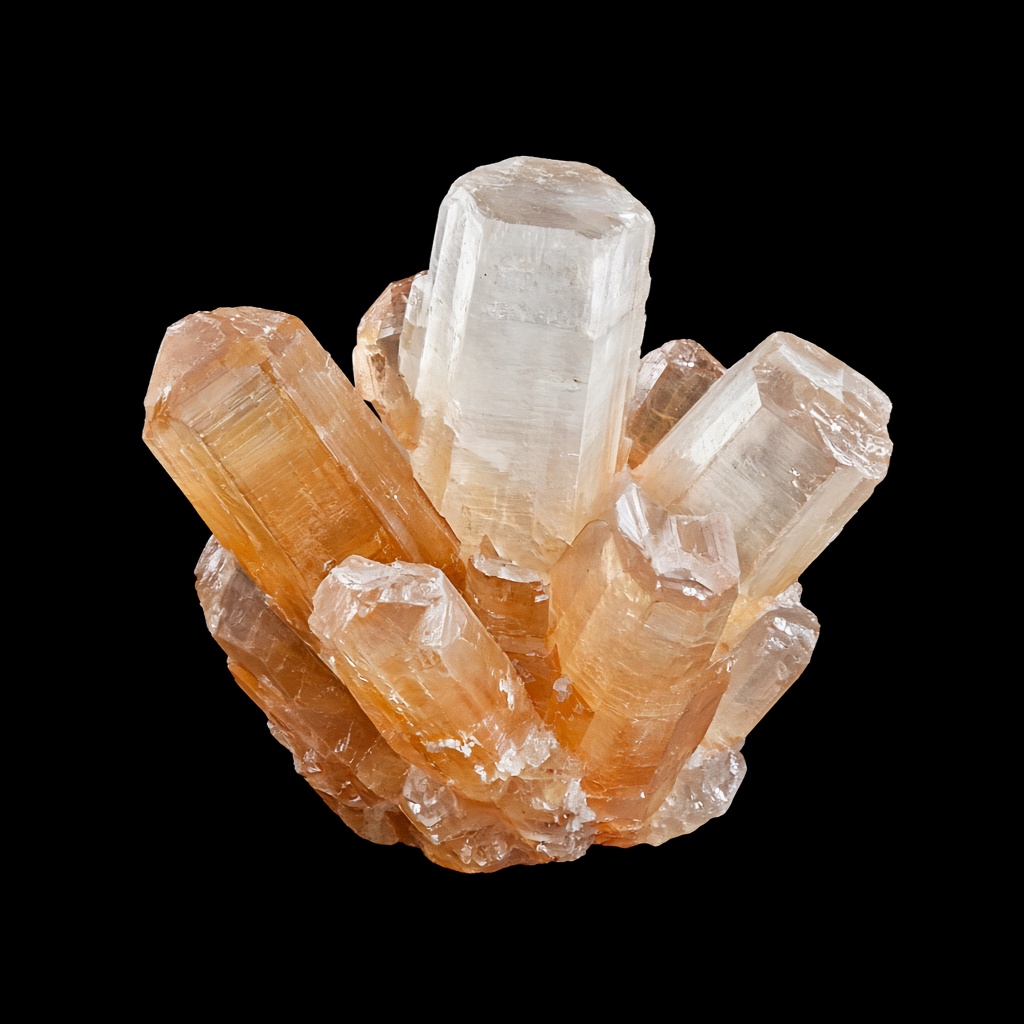
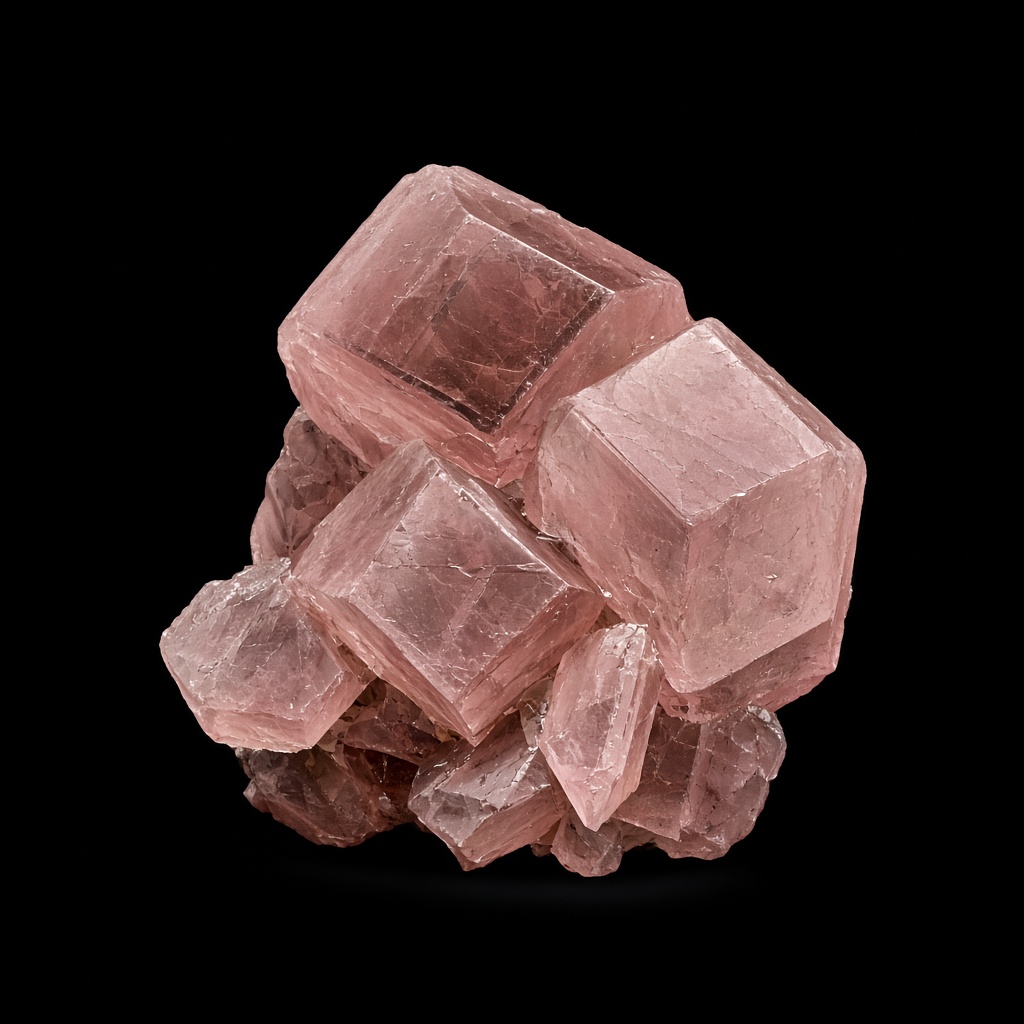
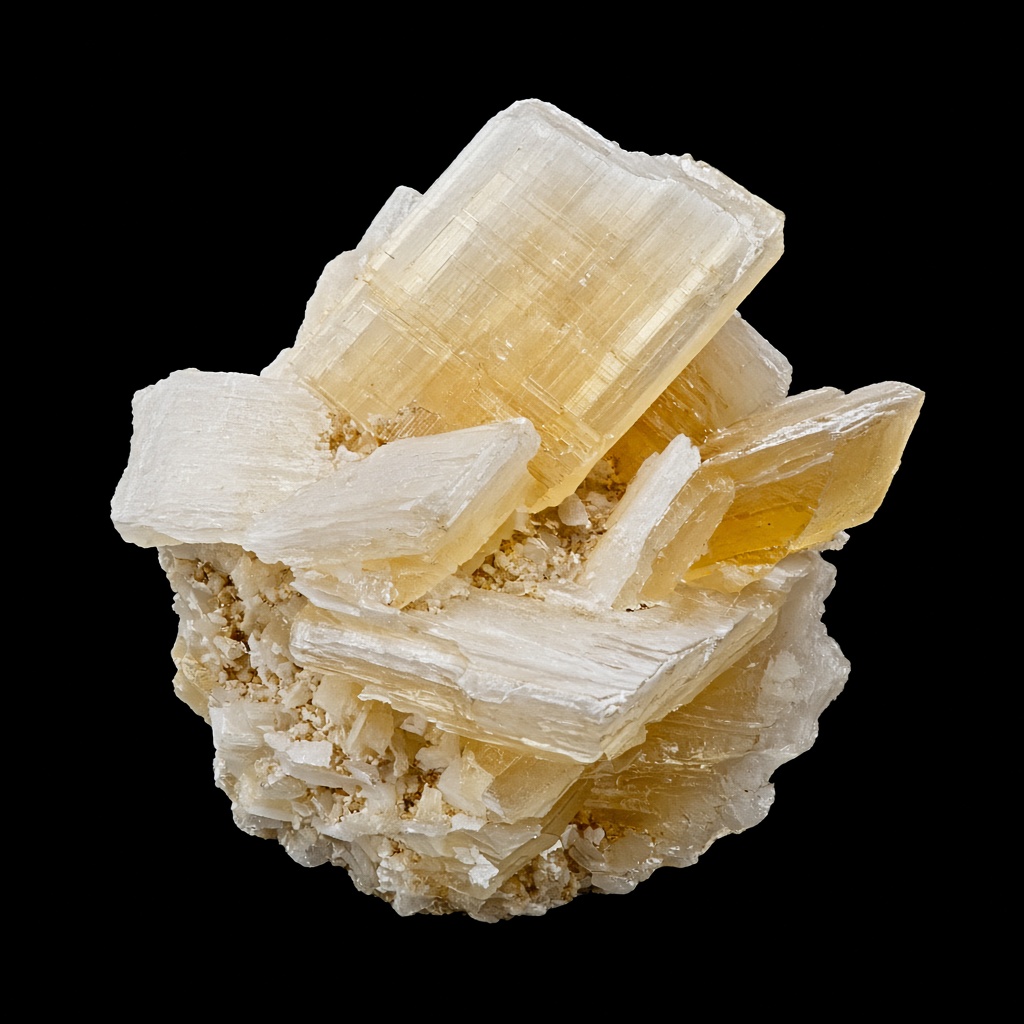
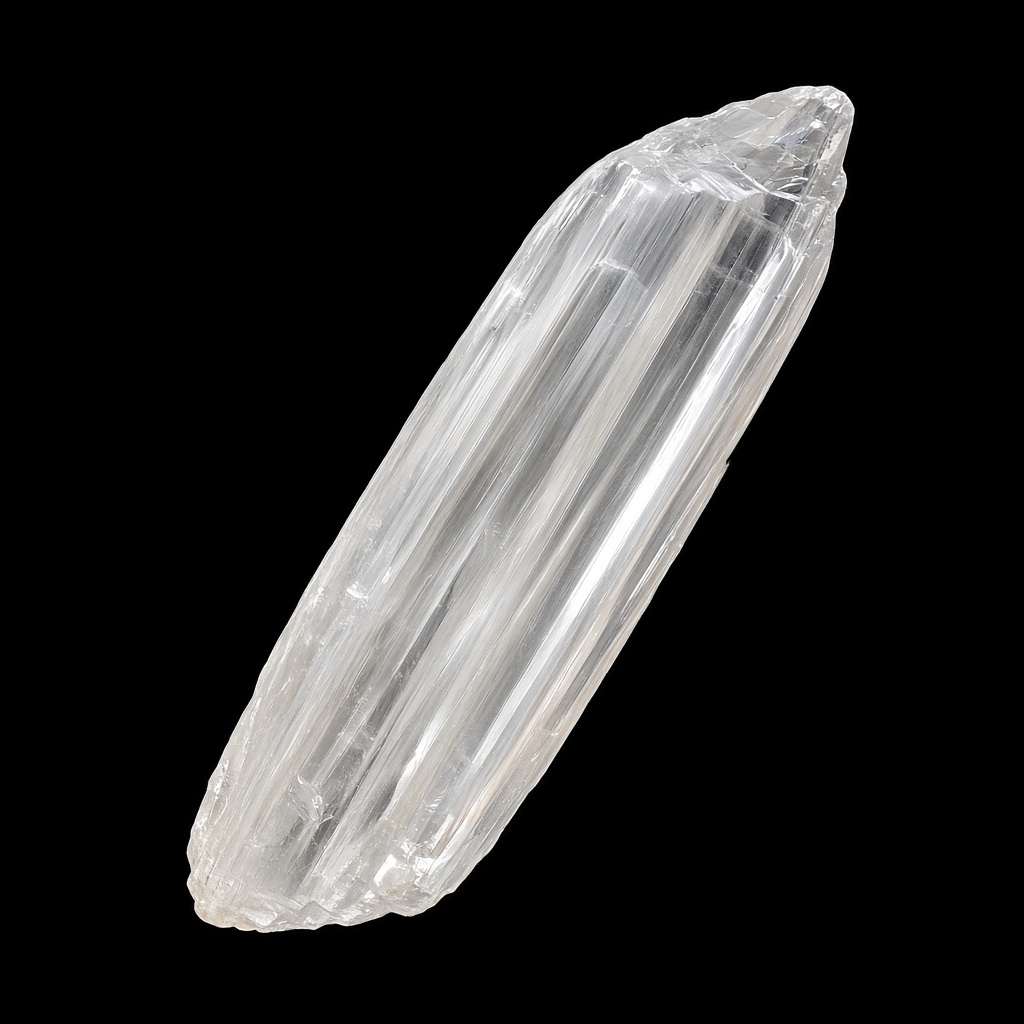
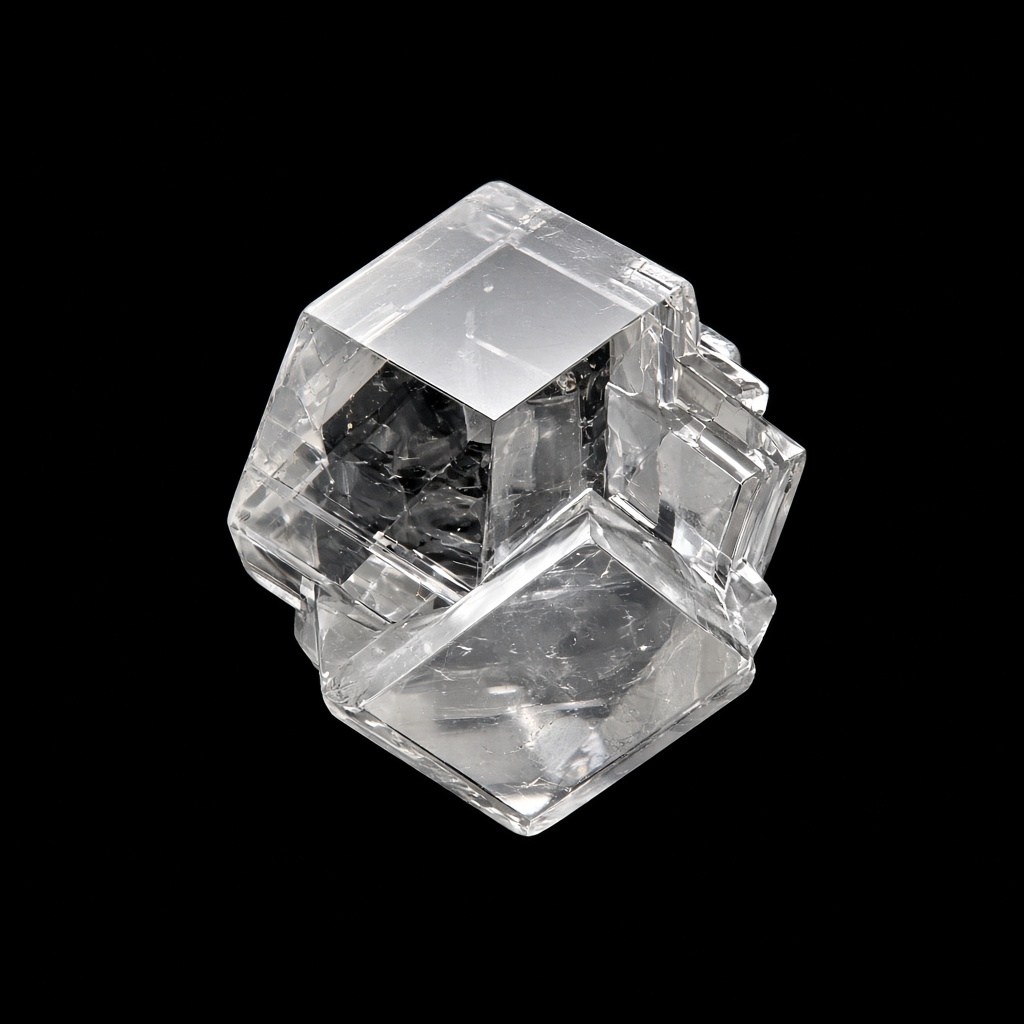
Calcite is ubiquitous: limestone, marble precursor, cave speleothems, and optical Iceland spar. Perfect rhombohedral cleavage and vigorous acid reaction are diagnostic. Optical calcite shows strong double refraction. Industrial uses include cement and chemical lime.
Calcite belongs in a crystal identifier workflow because photo cues — color zoning, crystal habit, and surface luster — combine with measurable traits like Mohs 3 and specific gravity 2.71. Use RockScan’s camera to get a first-pass ID, then confirm with the checklist below.
Calcite properties
| Mohs hardness | 3 |
|---|---|
| Crystal system | Trigonal |
| Luster | Vitreous to pearly |
| Color | Colorless, white, and all tints |
| Composition | Calcium carbonate |
| Formation | Sedimentary limestones, hydrothermal veins, caves |
| Occurrence | Worldwide |
| Specific gravity | 2.71 |
| Cleavage | Perfect rhombohedral |
How to identify Calcite
- Hardness 3; perfect rhombs
- Strong effervescence in dilute HCl
- Double refraction in clear spar
Collector notes
- Defines Mohs hardness 3
- Iceland spar was used in early optics and navigation studies
Value context: Optical spar and aesthetic crystals for collectors; bulk limestone is industrial commodity.
Calcite FAQ
How do you identify Calcite?
Calcite (CaCO₃) is typically recognized by colorless, white, and all tints color, vitreous to pearly luster, Mohs hardness 3, and trigonal crystal system. RockScan can suggest Calcite from a photo and surface these checks on the result card.
What is Calcite made of?
Calcite composition: Calcium carbonate. It forms via sedimentary limestones, hydrothermal veins, caves and is found in Worldwide.
Is Calcite valuable?
Optical spar and aesthetic crystals for collectors; bulk limestone is industrial commodity.