Crystal & mineral guide
Fluorite
CaF₂
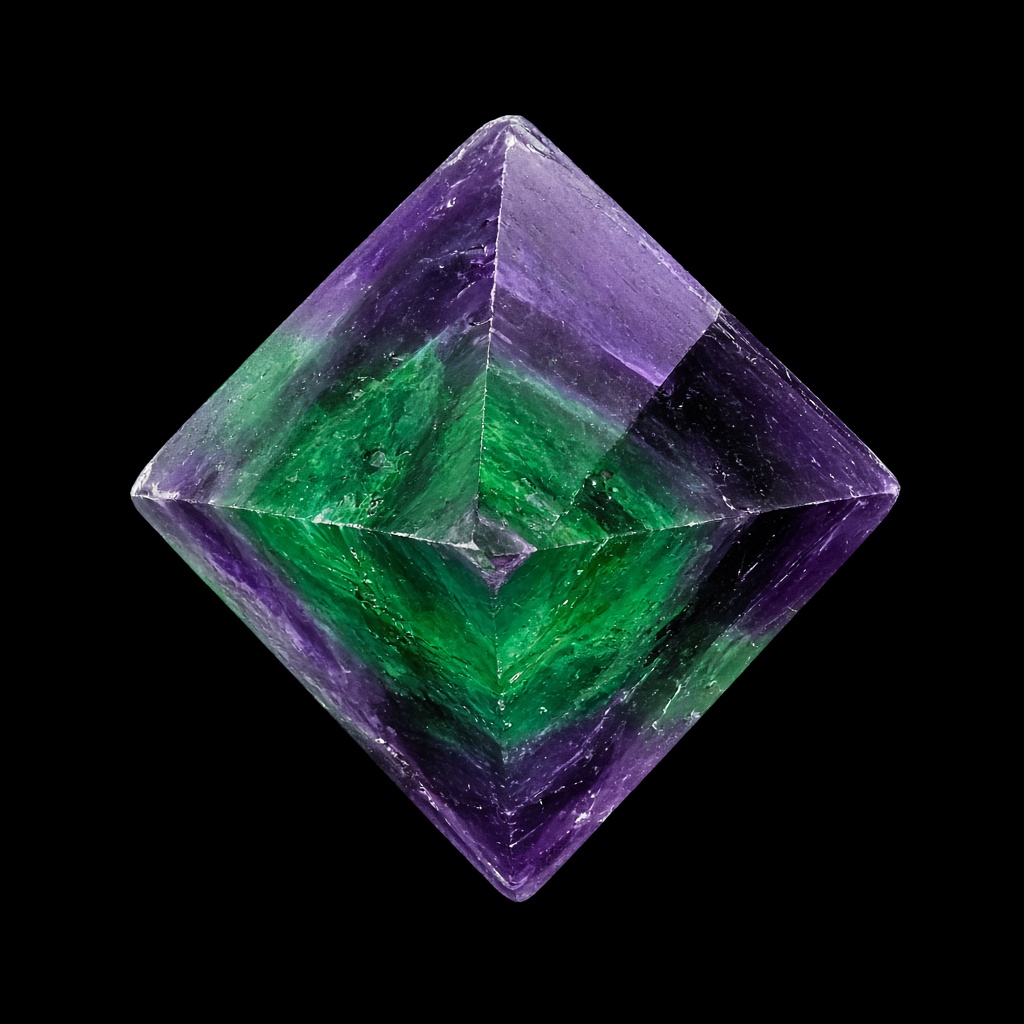
Color-zoned cubic crystals — industrial flux mineral and collector favorite.
Identify Fluorite with RockScanAbout Fluorite
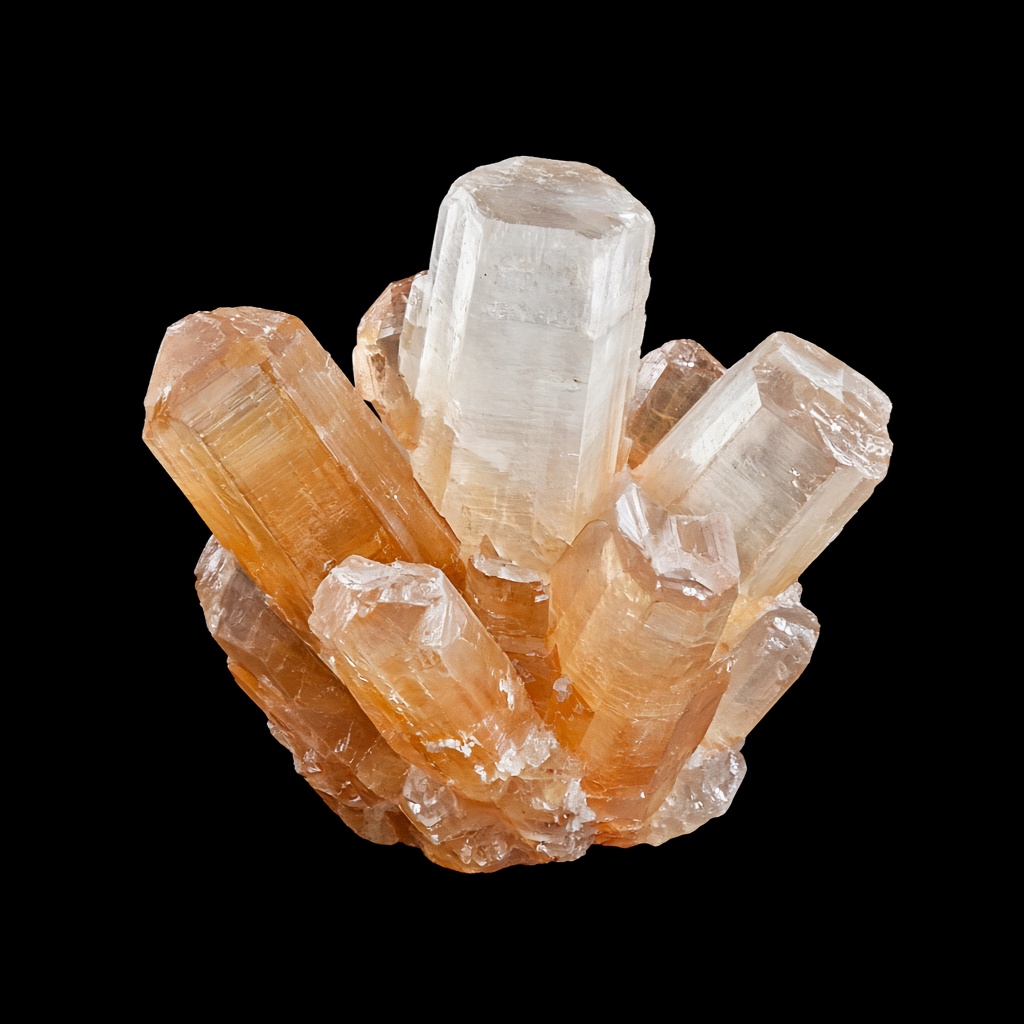
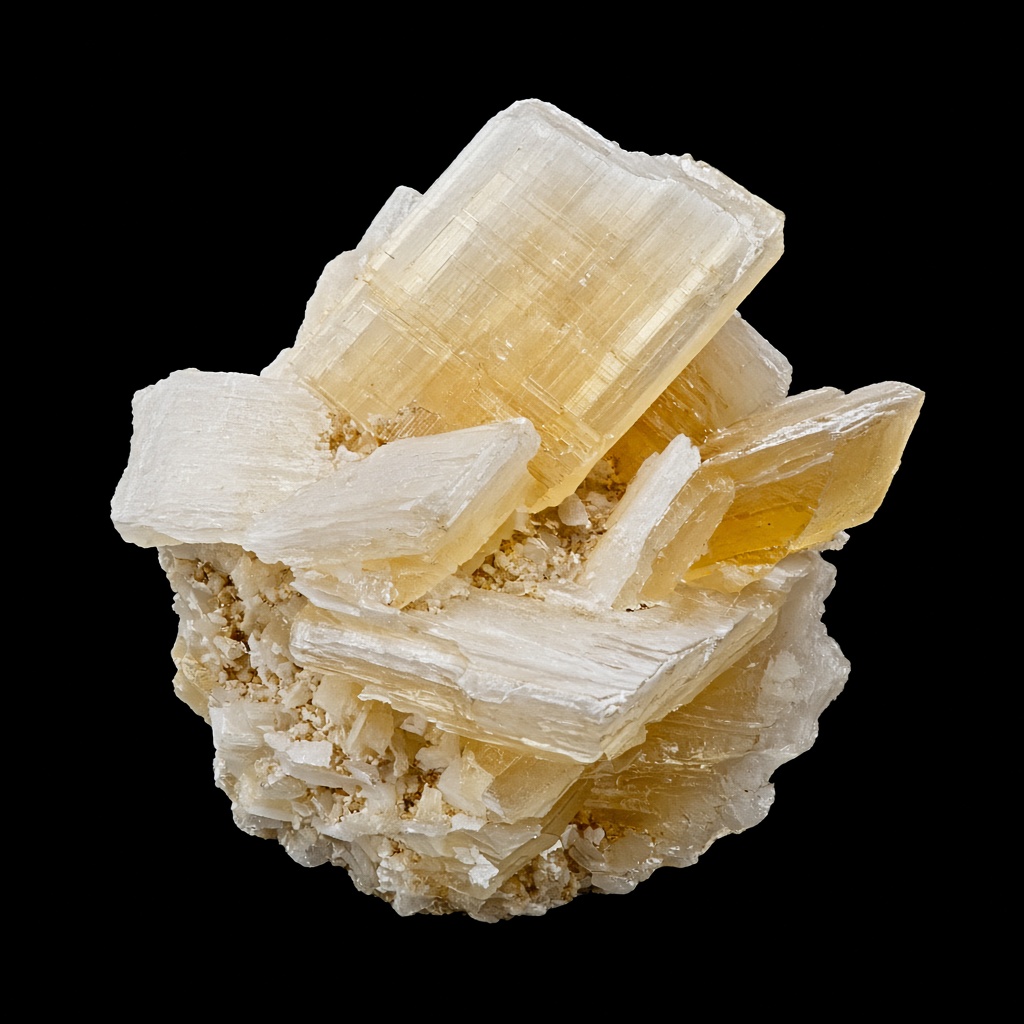
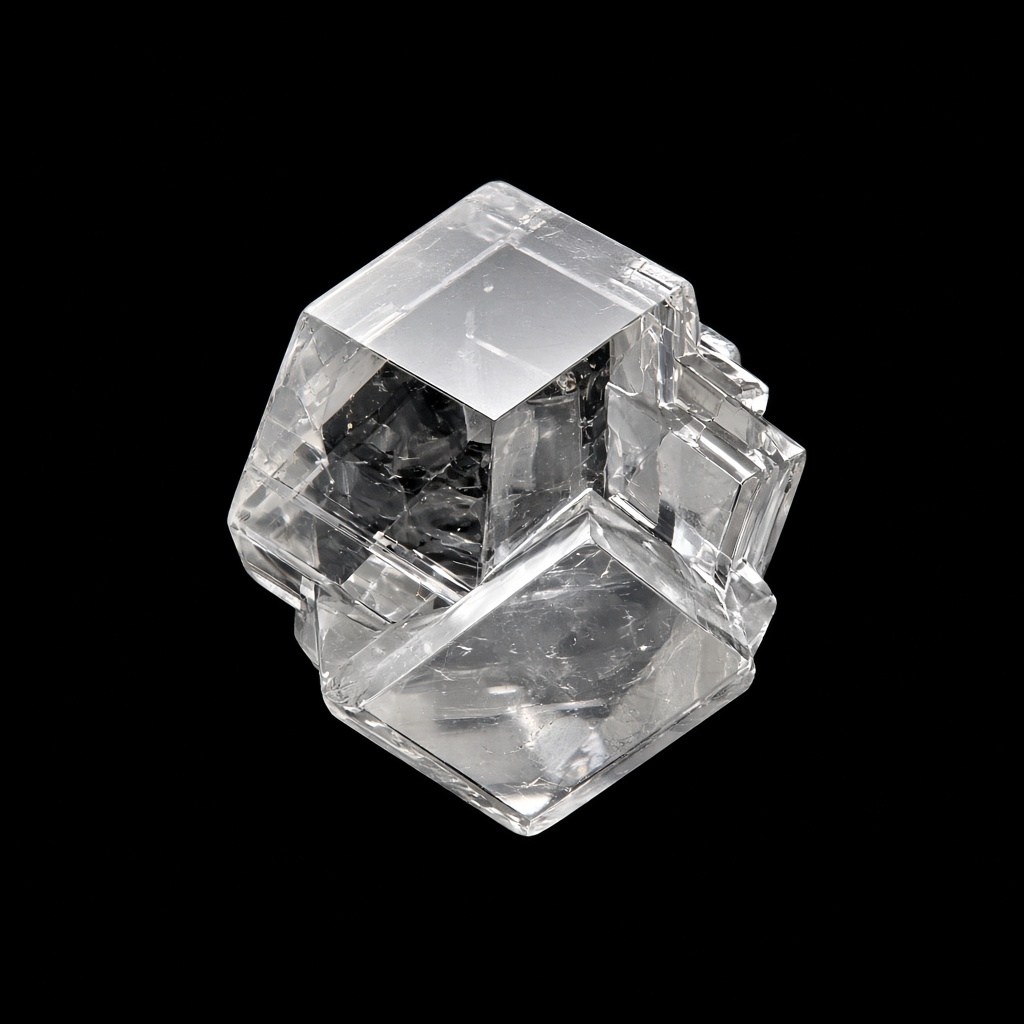
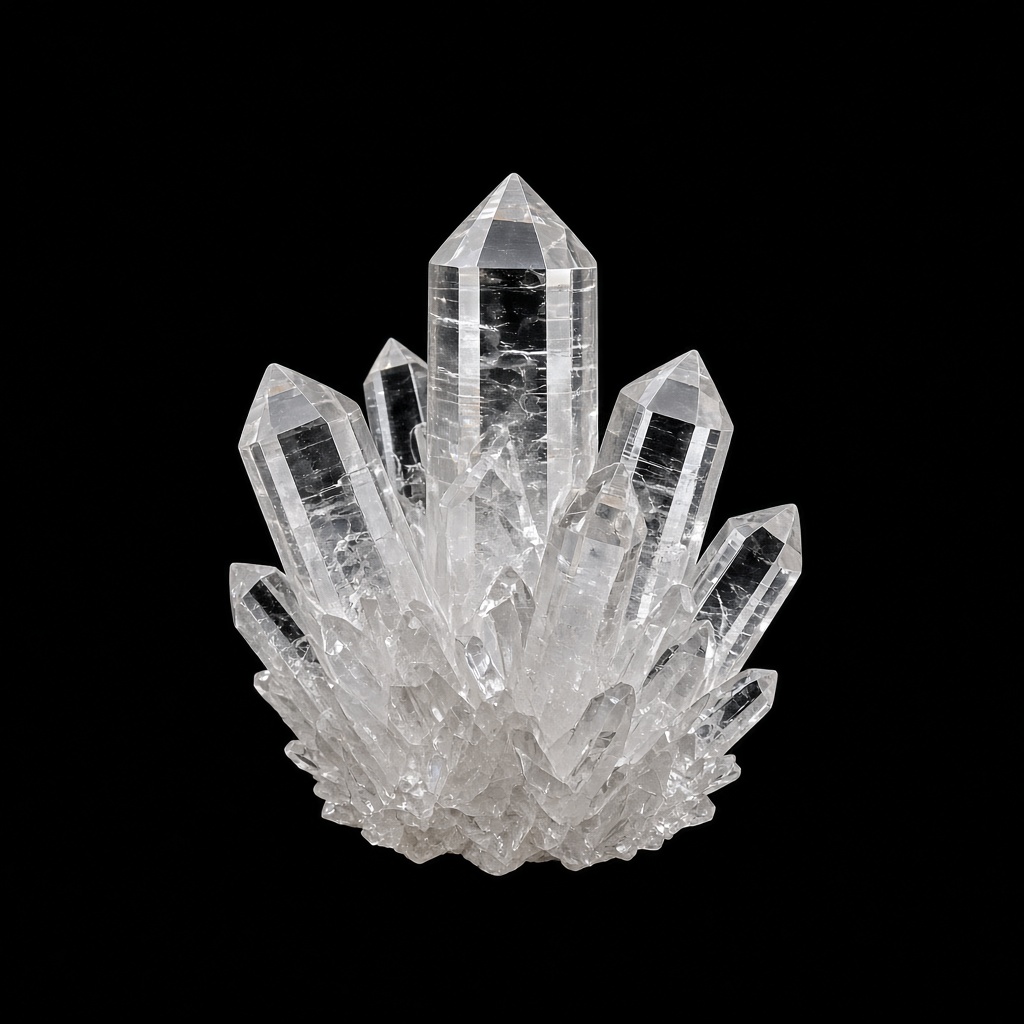
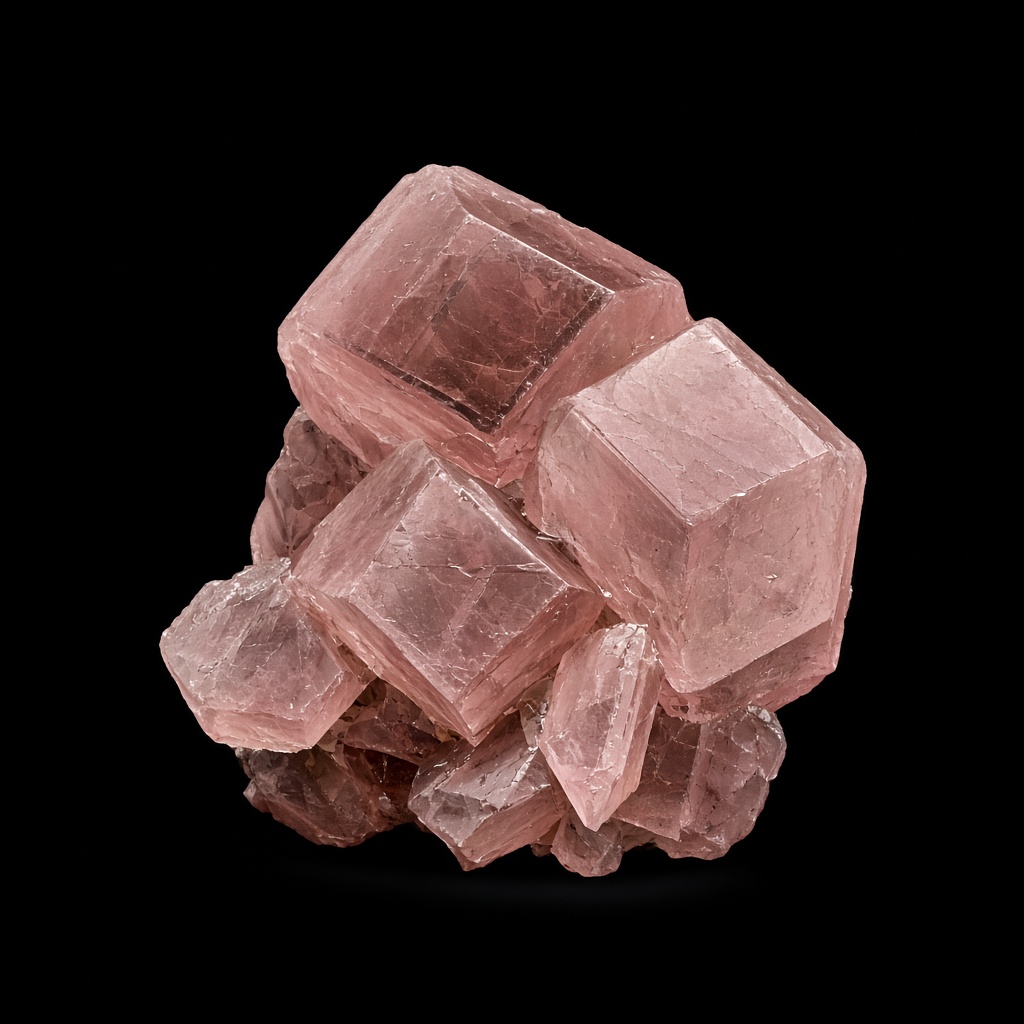
Fluorite forms sharp cubes and octahedra with spectacular color banding. Softness limits jewelry use but specimens are collector favorites. Many pieces fluoresce strongly under UV light. Also mined as fluorspar for steel and chemical industries.
Fluorite belongs in a crystal identifier workflow because photo cues — color zoning, crystal habit, and surface luster — combine with measurable traits like Mohs 4 and specific gravity 3.0–3.3. Use RockScan’s camera to get a first-pass ID, then confirm with the checklist below.
Fluorite properties
| Mohs hardness | 4 |
|---|---|
| Crystal system | Cubic |
| Luster | Vitreous |
| Color | Purple, green, blue, yellow, rainbow zoning |
| Composition | Calcium fluoride |
| Formation | Hydrothermal veins and fluorite-rich deposits |
| Occurrence | China, Mexico, UK (Blue John), USA |
| Specific gravity | 3.0–3.3 |
| Cleavage | Perfect octahedral |
How to identify Fluorite
- Cubic crystals and perfect cleavage
- Hardness 4 — scratched by a knife
- Often UV fluorescent
Collector notes
- Word 'fluorescence' comes from fluorite
- Blue John is a famous banded variety from England
Value context: Transparent color-zoned crystals on matrix bring premium specimen prices.
Fluorite FAQ
How do you identify Fluorite?
Fluorite (CaF₂) is typically recognized by purple, green, blue, yellow, rainbow zoning color, vitreous luster, Mohs hardness 4, and cubic crystal system. RockScan can suggest Fluorite from a photo and surface these checks on the result card.
What is Fluorite made of?
Fluorite composition: Calcium fluoride. It forms via hydrothermal veins and fluorite-rich deposits and is found in China, Mexico, UK (Blue John), USA.
Is Fluorite valuable?
Transparent color-zoned crystals on matrix bring premium specimen prices.