Crystal & mineral guide
Muscovite
KAl₂(AlSi₃O₁₀)(OH)₂
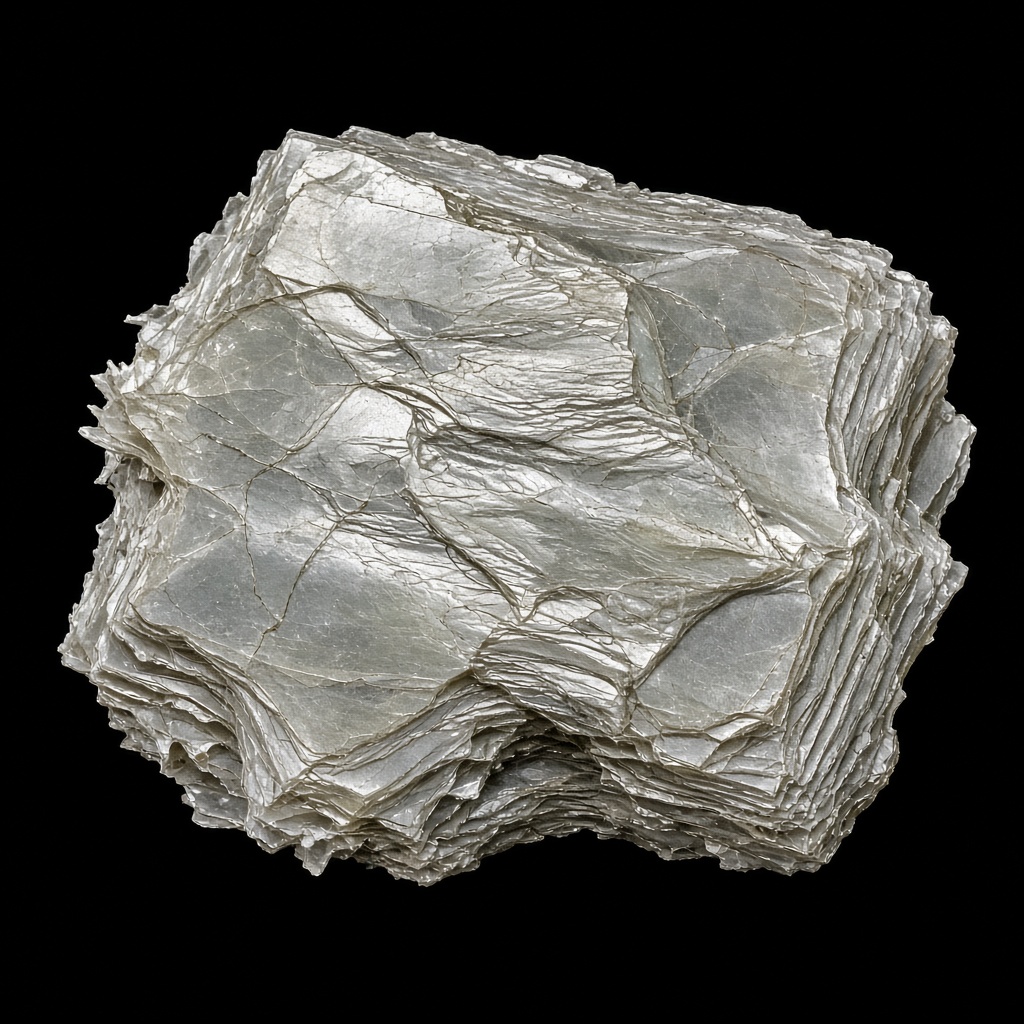
Common mica — flexible transparent sheets used as electrical insulator.
Identify Muscovite with RockScanAbout Muscovite
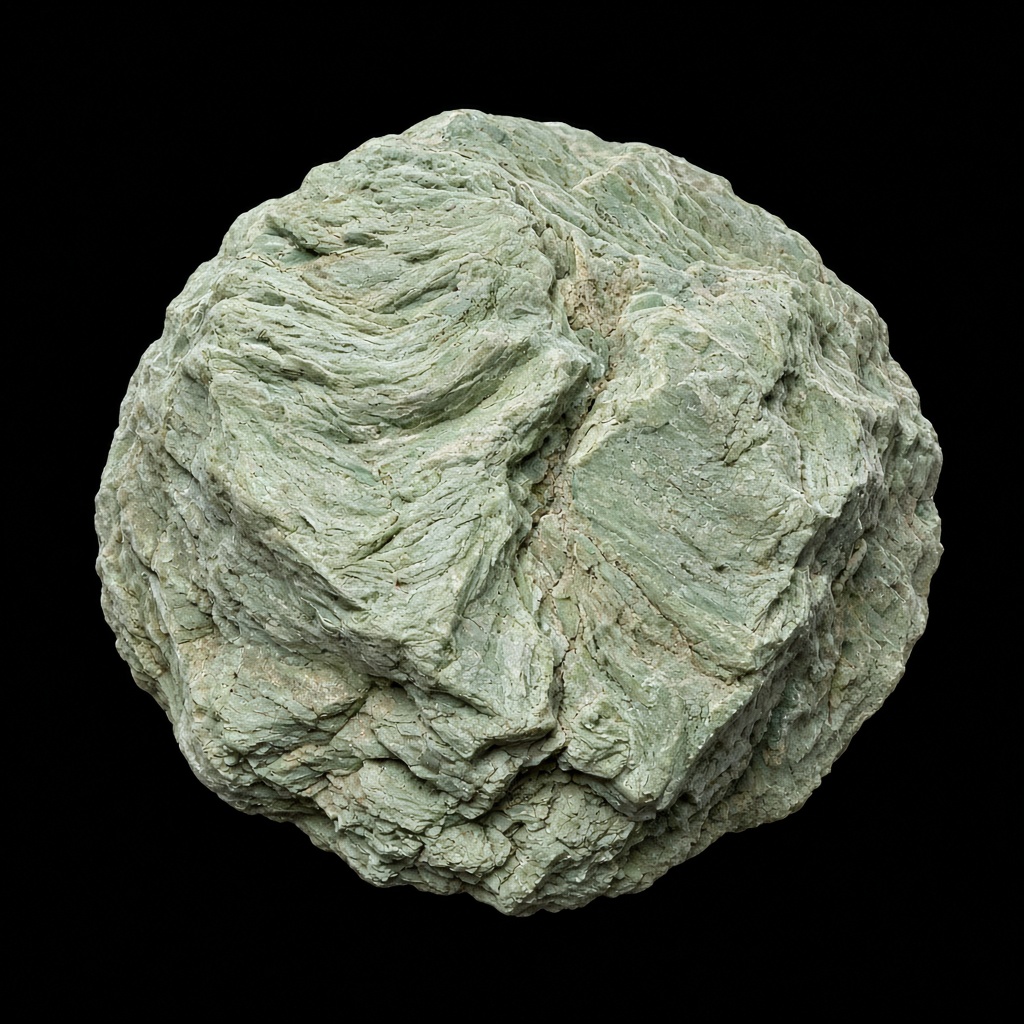
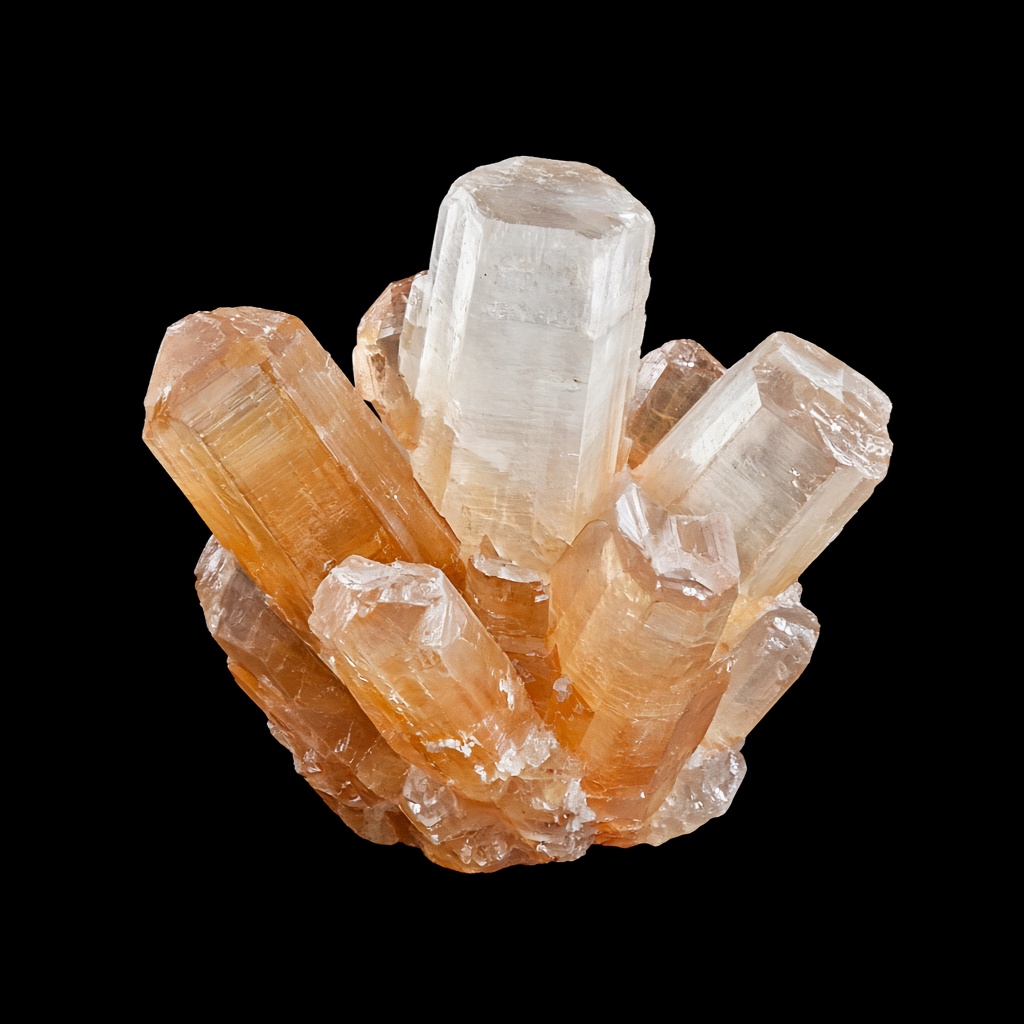
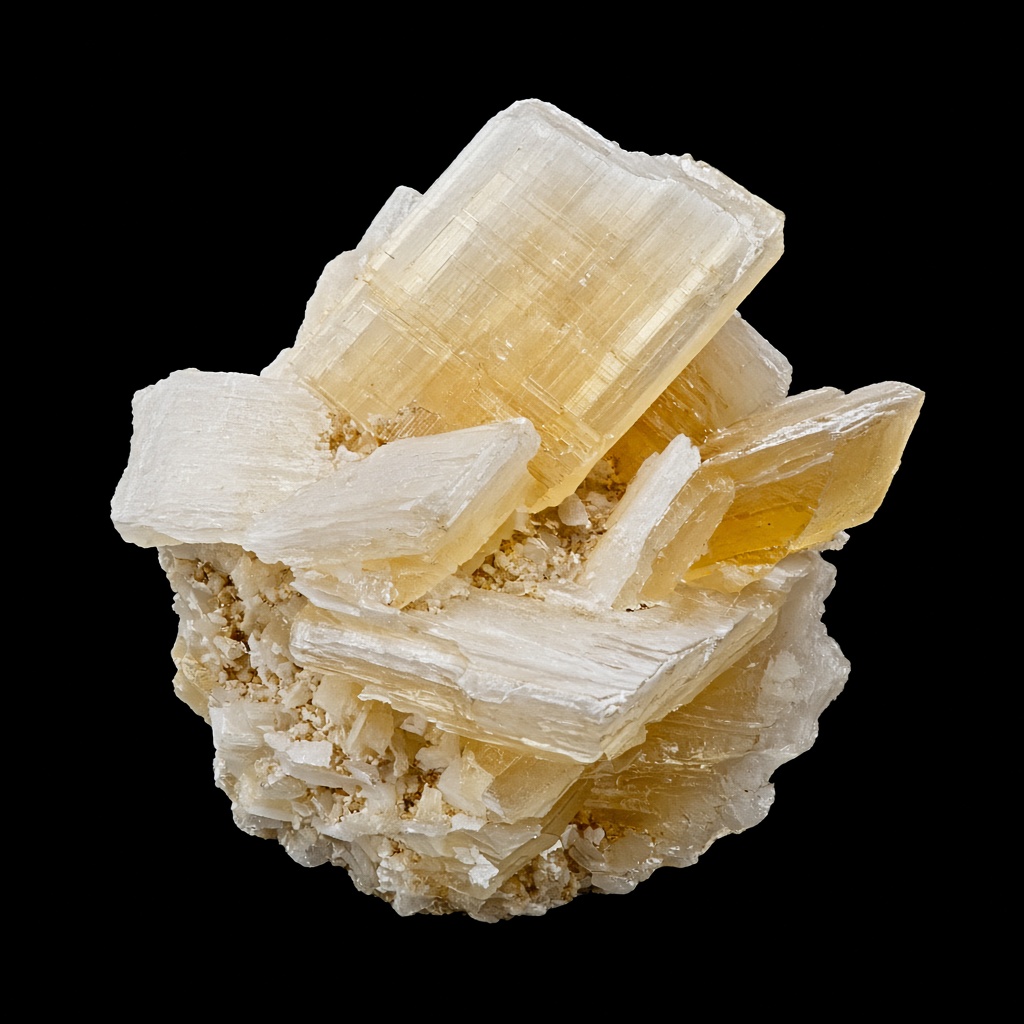
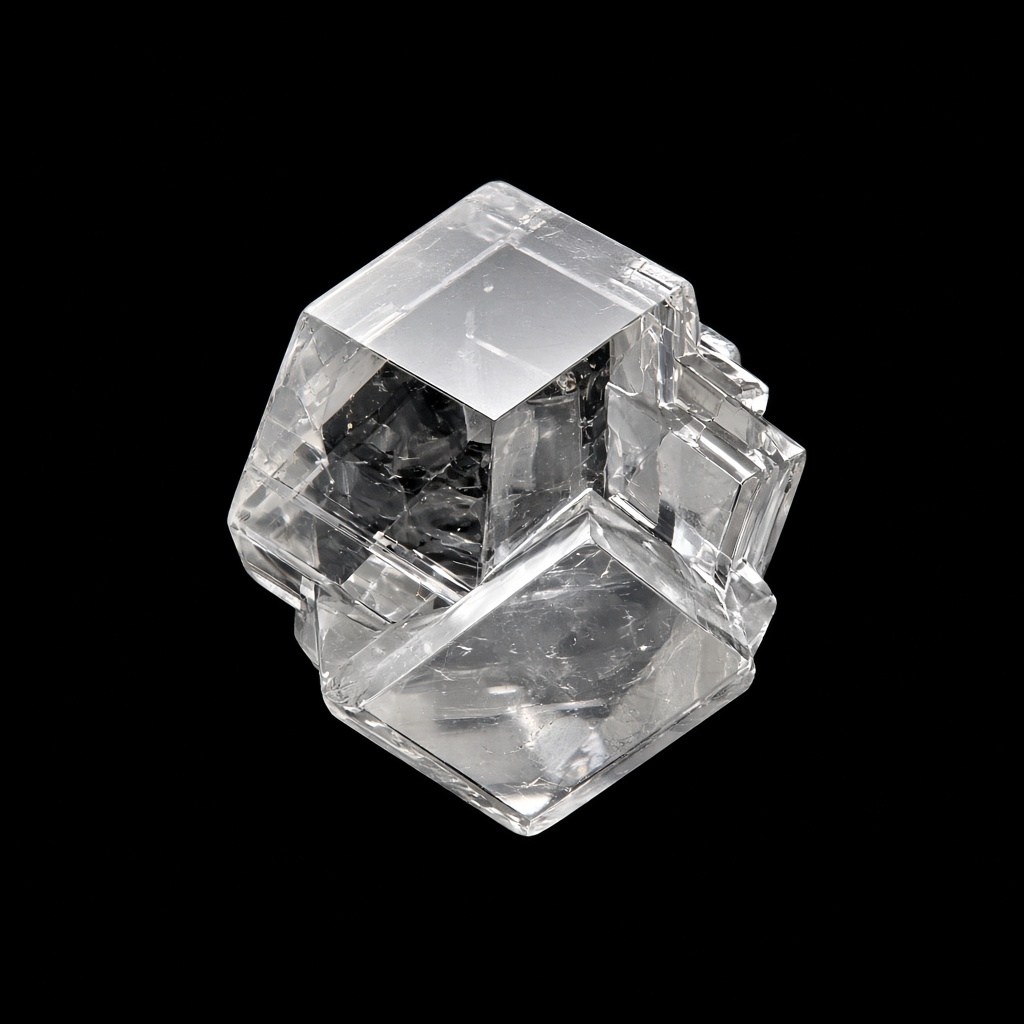
Muscovite cleaves into elastic transparent sheets once used as stove windows ('isinglass') and still valued for electrical insulation. Defines the shiny faces of many schists and granites. Lithium micas and biotite are related but chemically distinct.
Muscovite belongs in a crystal identifier workflow because photo cues — color zoning, crystal habit, and surface luster — combine with measurable traits like Mohs 2–2.5 and specific gravity 2.77–2.88. Use RockScan’s camera to get a first-pass ID, then confirm with the checklist below.
Muscovite properties
| Mohs hardness | 2–2.5 |
|---|---|
| Crystal system | Monoclinic |
| Luster | Vitreous to pearly |
| Color | Colorless to pale brown/green |
| Composition | Potassium aluminum mica |
| Formation | Granites, pegmatites, and metamorphic schists |
| Occurrence | Worldwide; India, Brazil, Russia, USA |
| Specific gravity | 2.77–2.88 |
| Cleavage | Perfect basal |
How to identify Muscovite
- Perfect cleavage into flexible sheets
- Colorless to pale; pearly cleavage faces
- Hardness ~2.5
Collector notes
- Name from 'Muscovy glass' used in Russian windows
- Sheet mica was strategic in early electronics
Value context: Industrial sheet/scrap grades; large clear books are specimen curiosities.
Muscovite FAQ
How do you identify Muscovite?
Muscovite (KAl₂(AlSi₃O₁₀)(OH)₂) is typically recognized by colorless to pale brown/green color, vitreous to pearly luster, Mohs hardness 2–2.5, and monoclinic crystal system. RockScan can suggest Muscovite from a photo and surface these checks on the result card.
What is Muscovite made of?
Muscovite composition: Potassium aluminum mica. It forms via granites, pegmatites, and metamorphic schists and is found in Worldwide; India, Brazil, Russia, USA.
Is Muscovite valuable?
Industrial sheet/scrap grades; large clear books are specimen curiosities.