Crystal & mineral guide
Aragonite
CaCO₃
Orthorhombic CaCO₃ polymorph — higher SG than calcite; biogenic in shells.
Identify Aragonite with RockScanAbout Aragonite
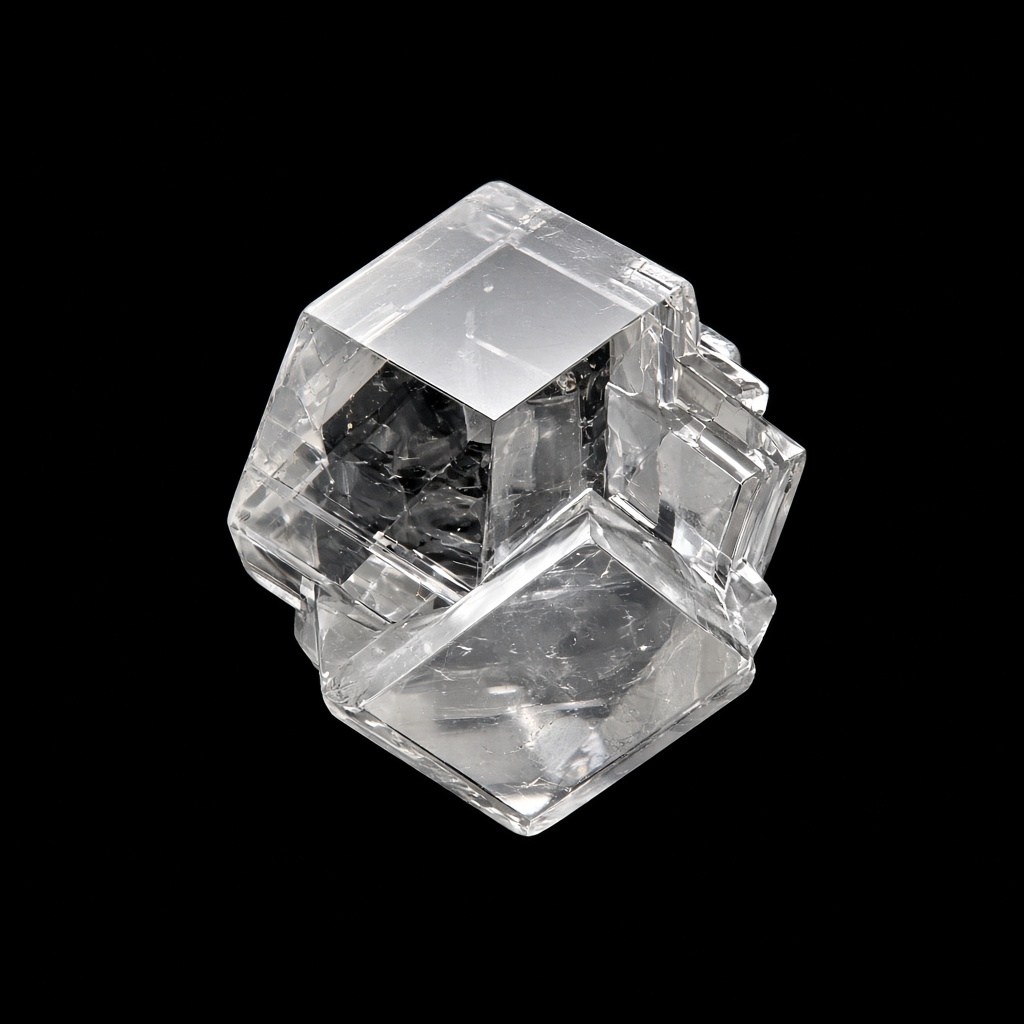
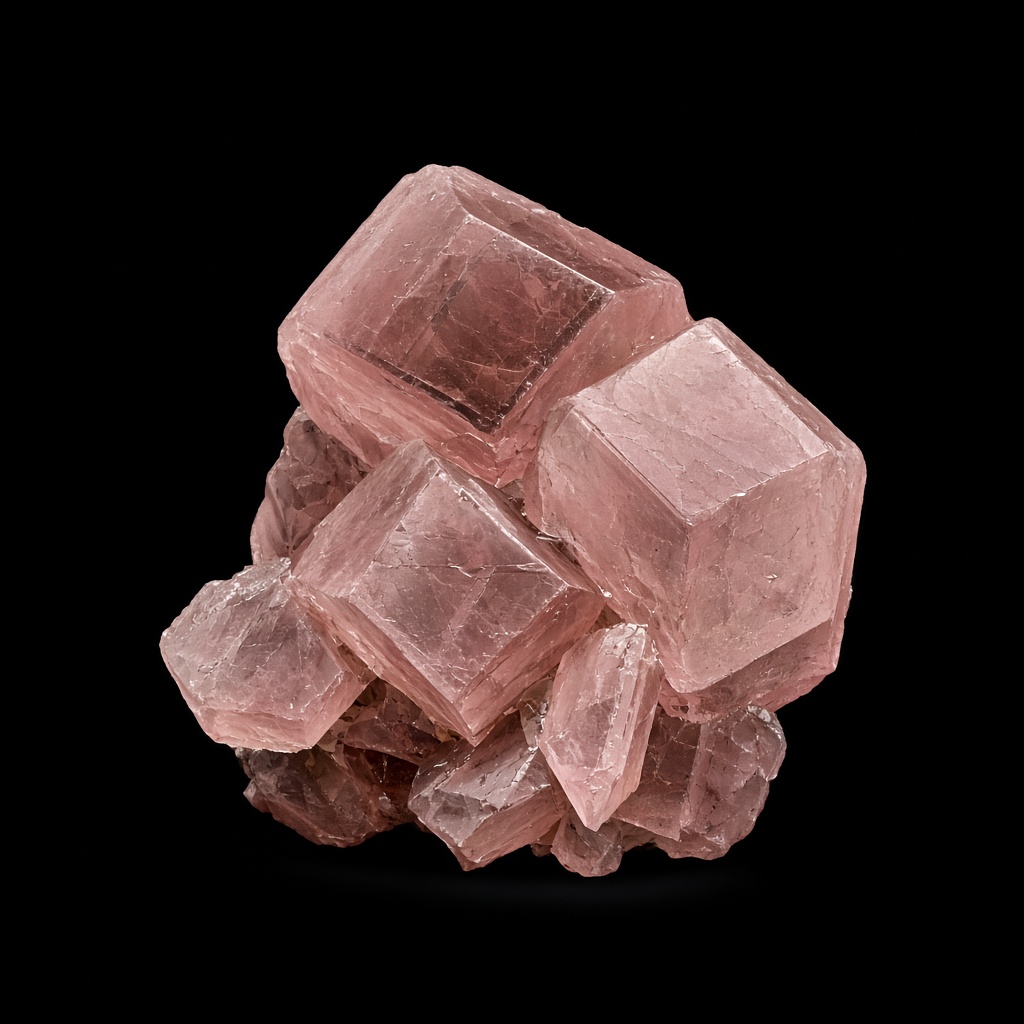
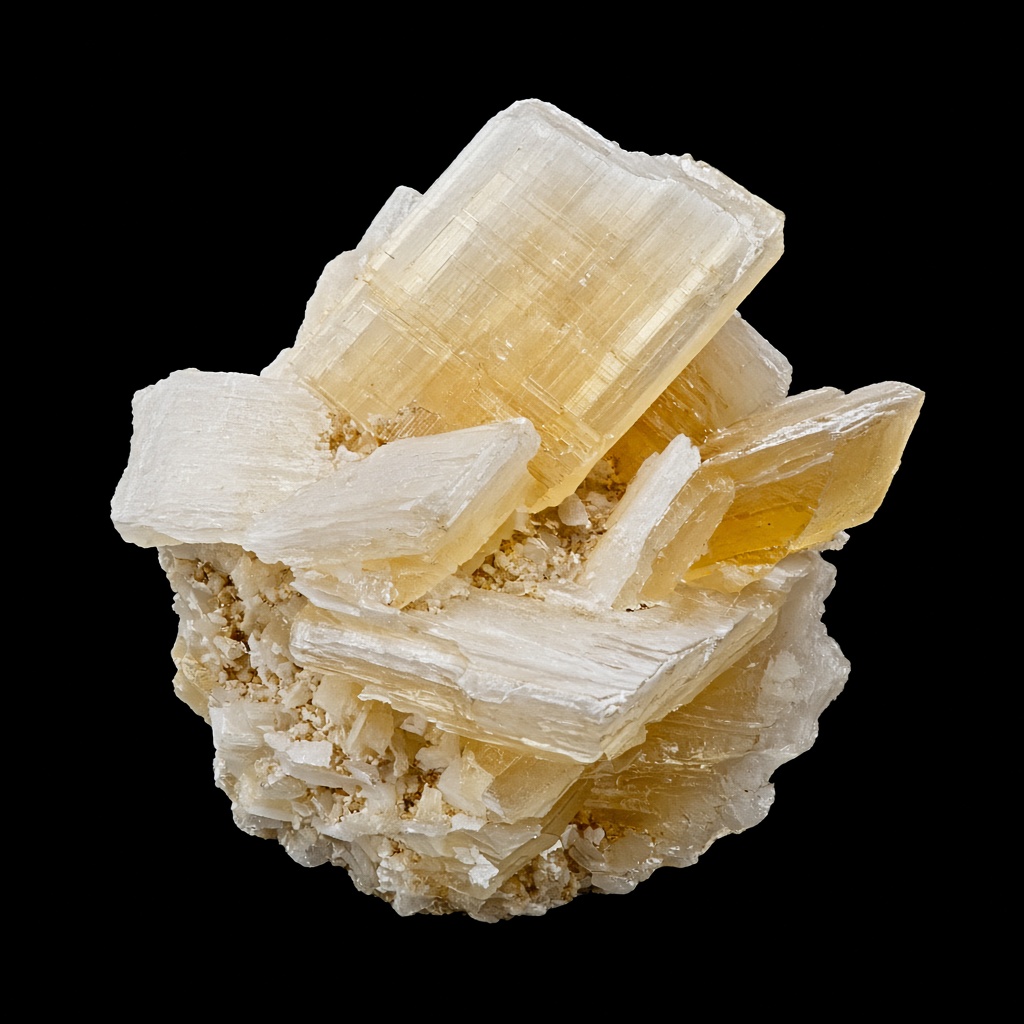
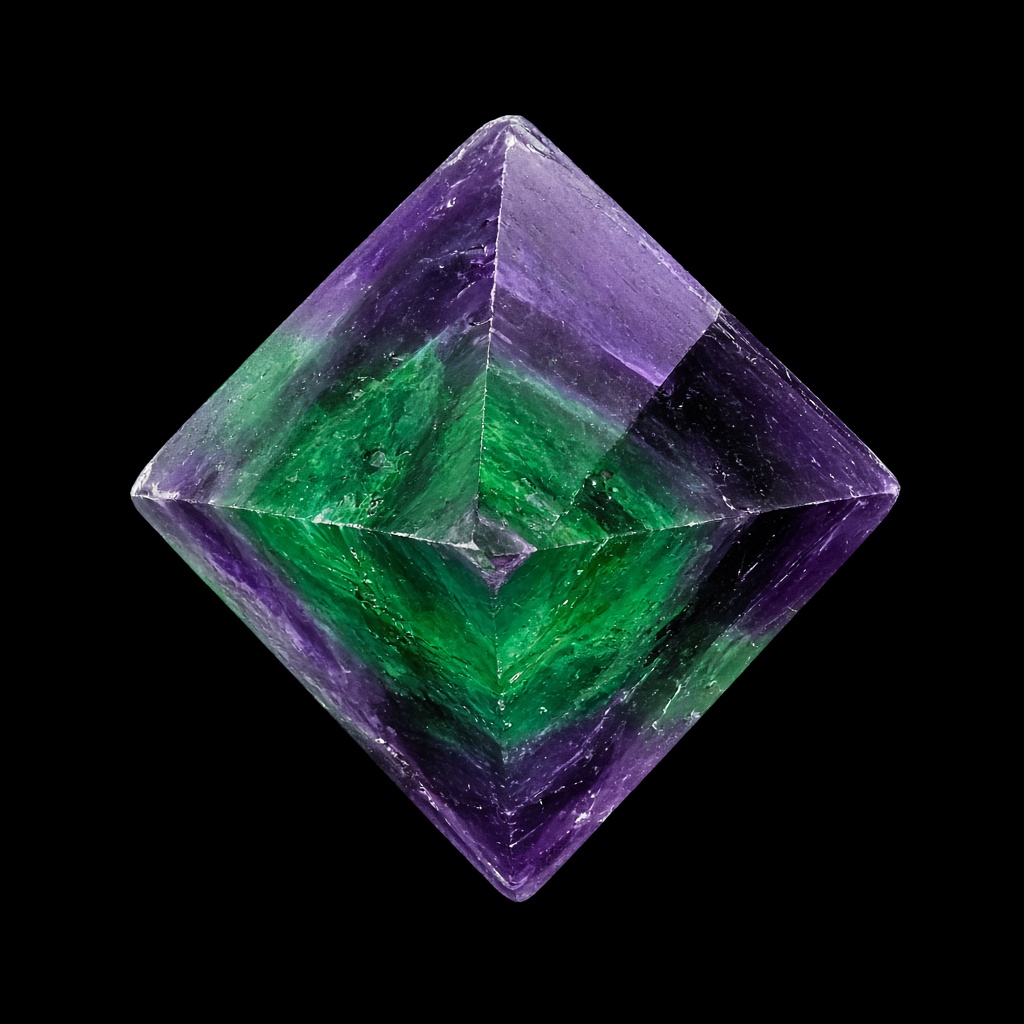
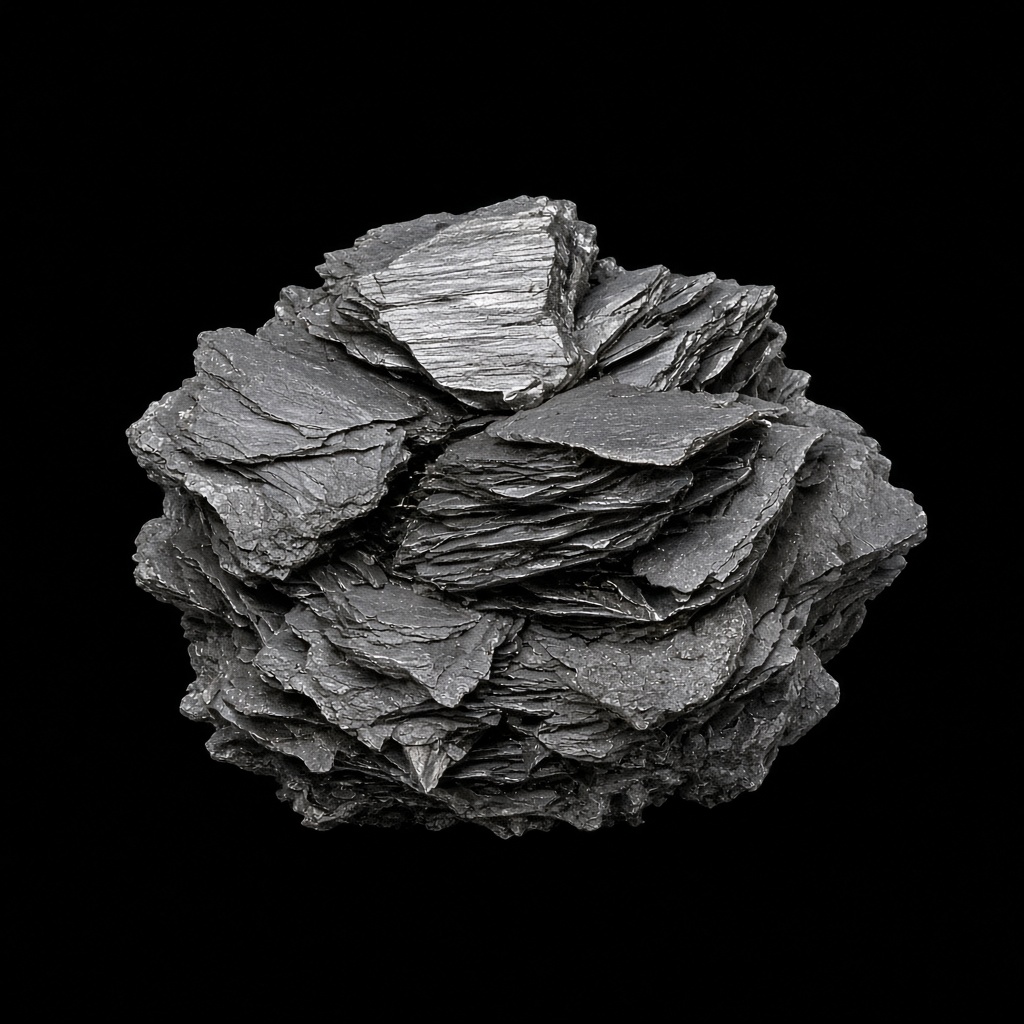
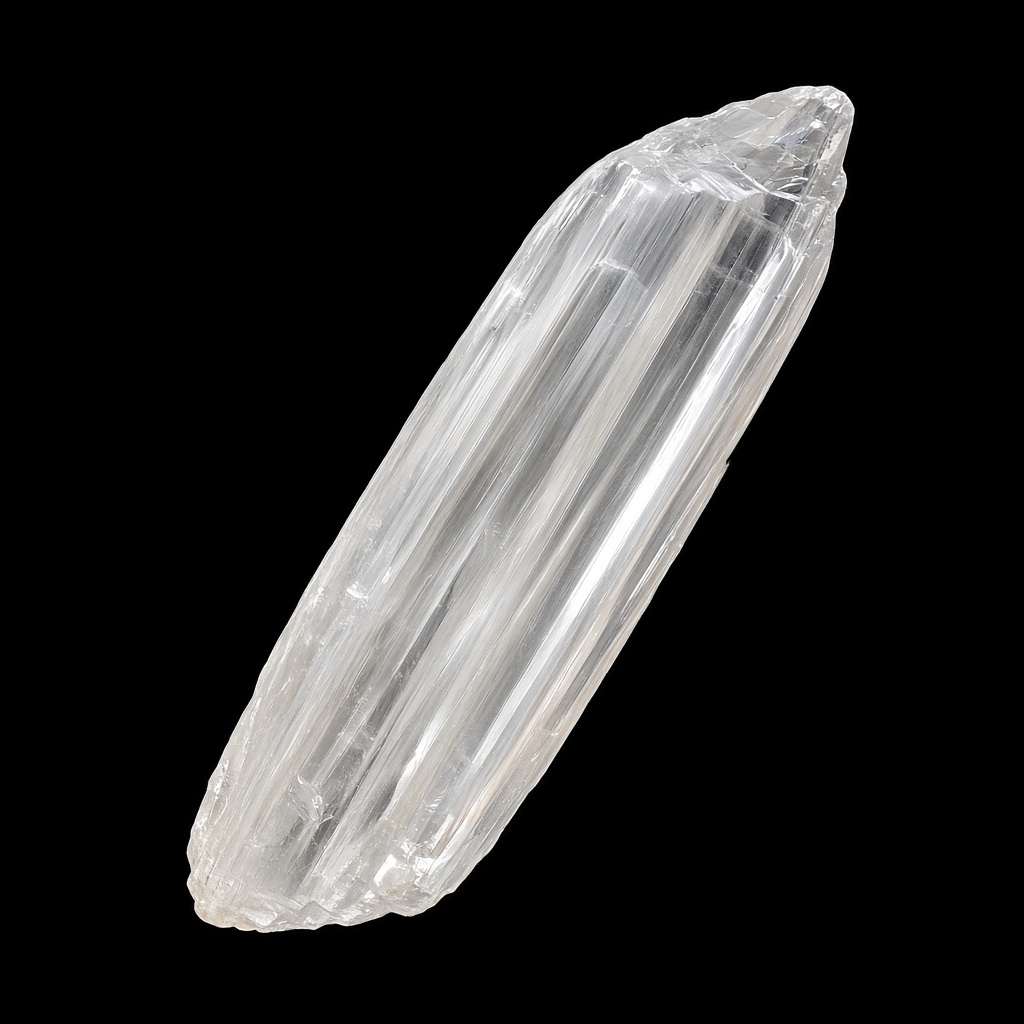
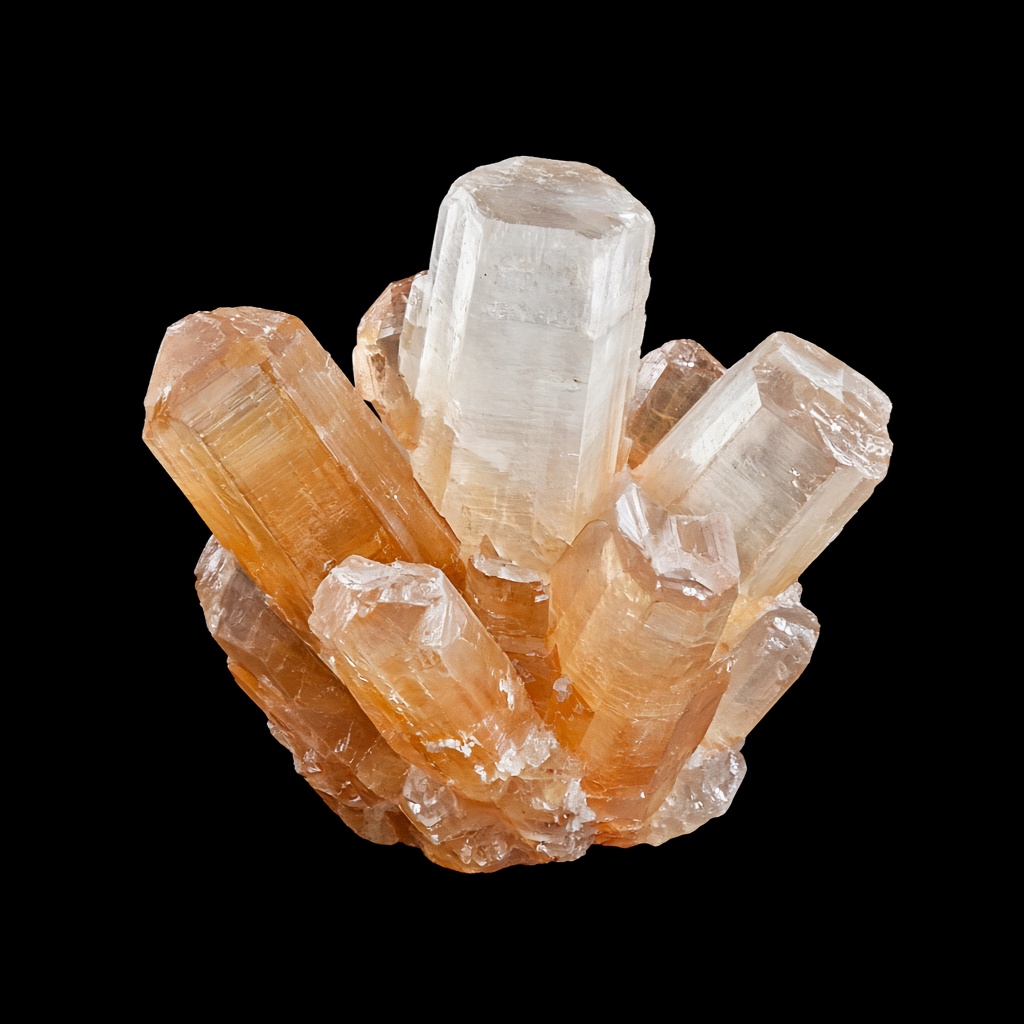
Aragonite is calcite's denser polymorph. Forms pseudohexagonal twins, speleothems, and is the mineral of many mollusk shells and pearls' nacre. Metastable — converts to calcite over geologic time. Distinguished by higher SG and different crystal system.
Aragonite belongs in a crystal identifier workflow because photo cues — color zoning, crystal habit, and surface luster — combine with measurable traits like Mohs 3.5–4 and specific gravity 2.95. Use RockScan’s camera to get a first-pass ID, then confirm with the checklist below.
Aragonite properties
| Mohs hardness | 3.5–4 |
|---|---|
| Crystal system | Orthorhombic |
| Luster | Vitreous |
| Color | White, brown, blue, green |
| Composition | Calcium carbonate (polymorph of calcite) |
| Formation | Marine precipitates, hot springs, caves; biogenic shells |
| Occurrence | Spain, Morocco, Italy, Bahamas ooids |
| Specific gravity | 2.95 |
| Cleavage | Distinct |
How to identify Aragonite
- SG ~2.95 (higher than calcite)
- Pseudohexagonal cyclic twins
- Acid fizz like calcite
Collector notes
- Pearl nacre is aragonitic
- Flos ferri is a coral-like aragonite habit
Value context: Aesthetic twin clusters and flos ferri for collectors.
Aragonite FAQ
How do you identify Aragonite?
Aragonite (CaCO₃) is typically recognized by white, brown, blue, green color, vitreous luster, Mohs hardness 3.5–4, and orthorhombic crystal system. RockScan can suggest Aragonite from a photo and surface these checks on the result card.
What is Aragonite made of?
Aragonite composition: Calcium carbonate (polymorph of calcite). It forms via marine precipitates, hot springs, caves; biogenic shells and is found in Spain, Morocco, Italy, Bahamas ooids.
Is Aragonite valuable?
Aesthetic twin clusters and flos ferri for collectors.