Crystal & mineral guide
Dolomite
CaMg(CO₃)₂
Magnesian carbonate rock-forming mineral — slower acid reaction than calcite.
Identify Dolomite with RockScanAbout Dolomite
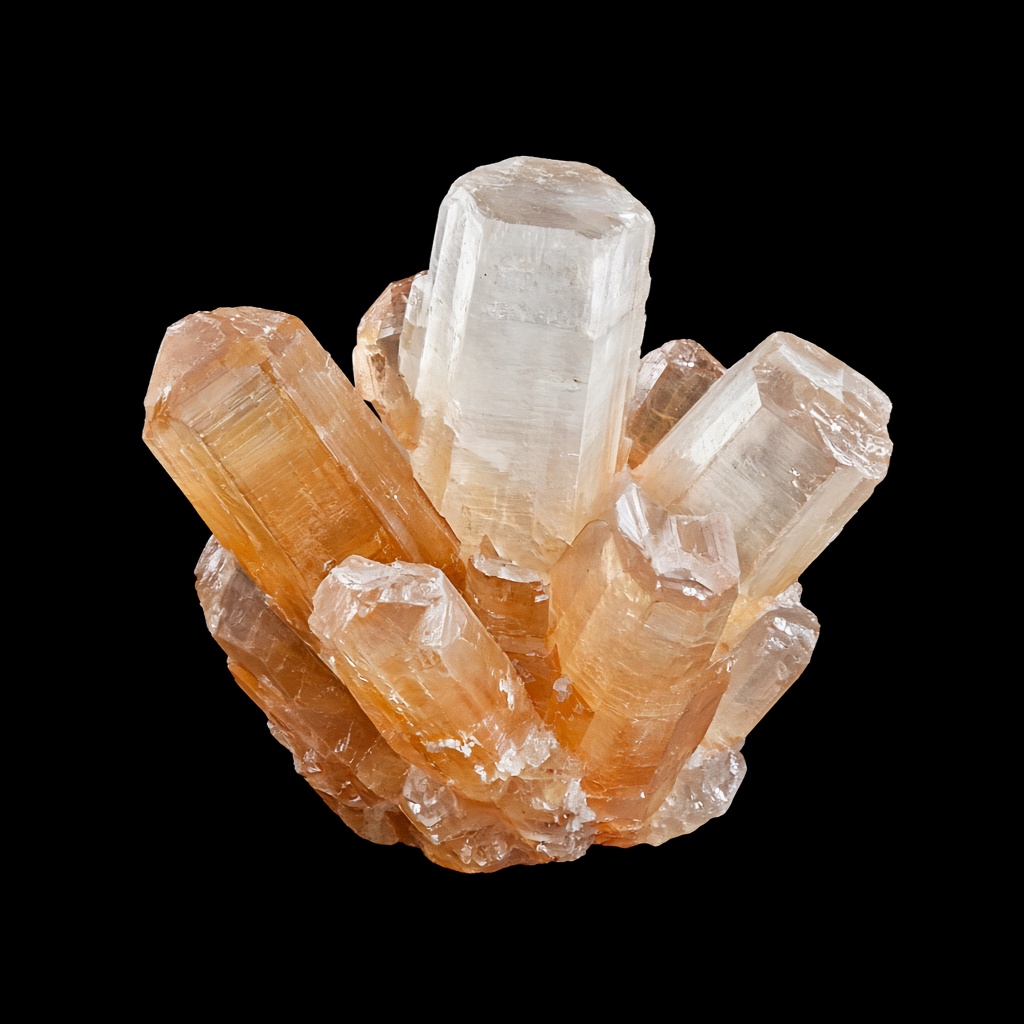
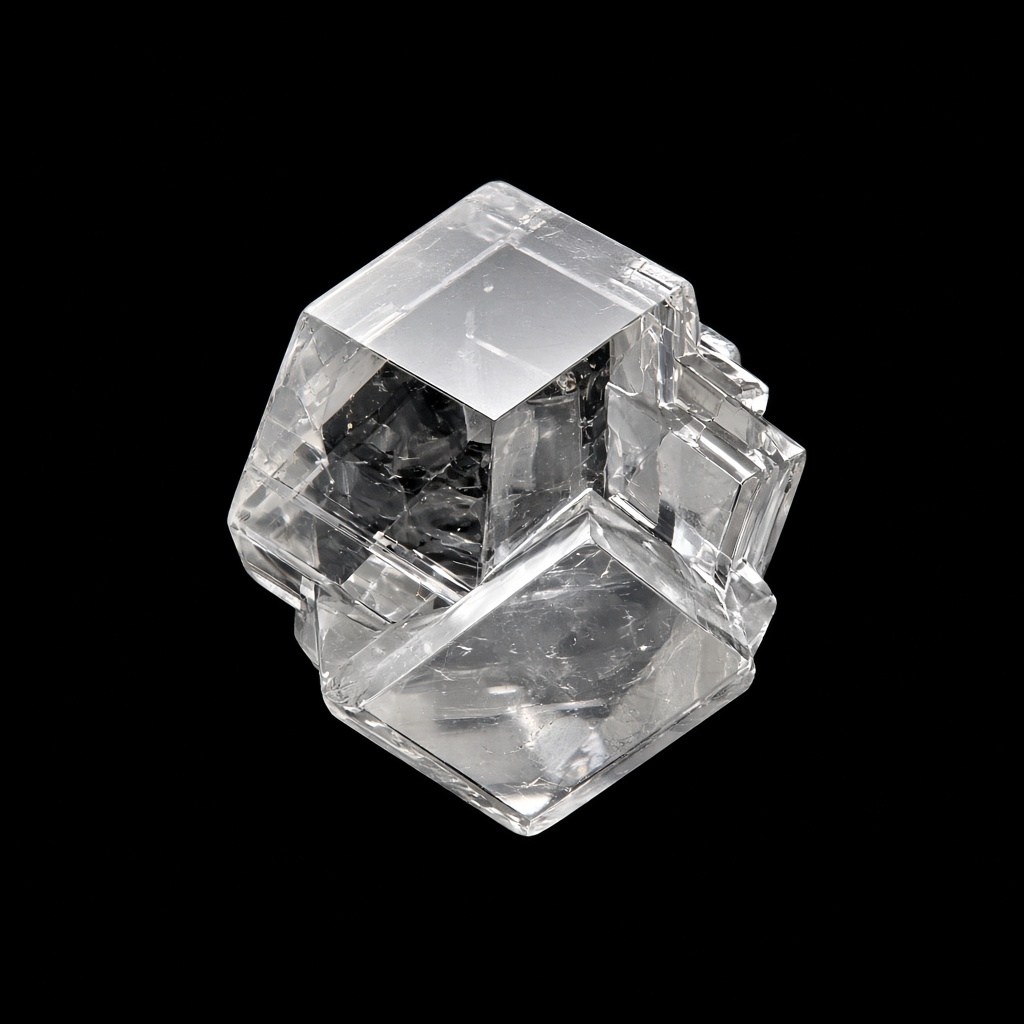
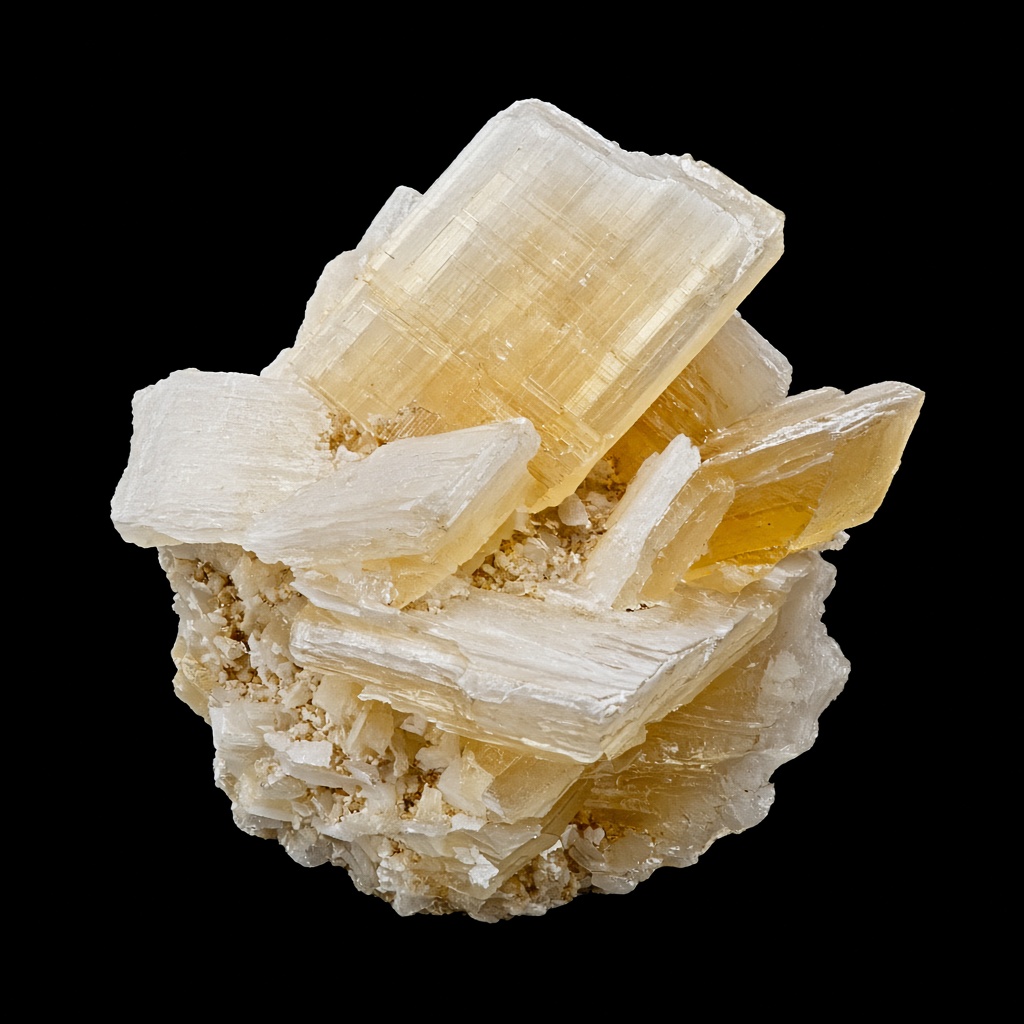
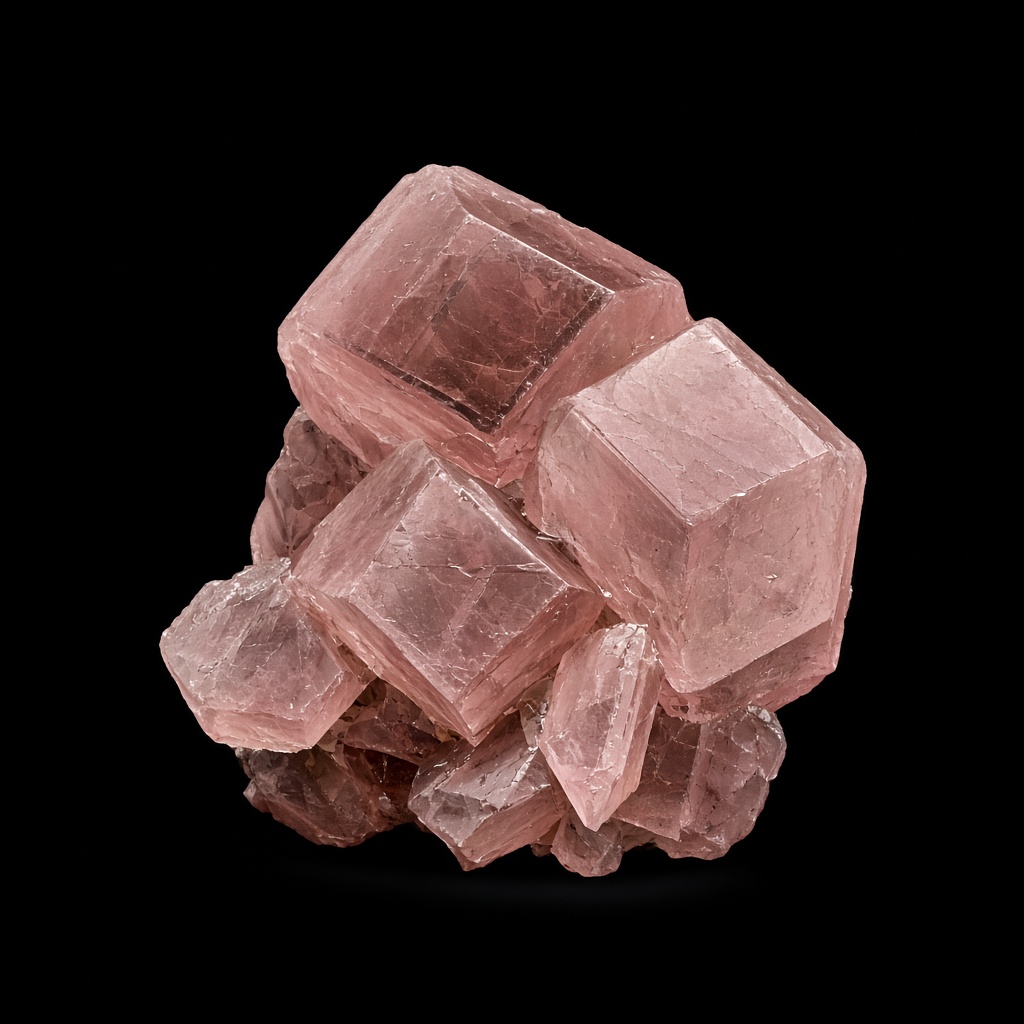
Dolomite forms saddle-shaped rhombs and massive dolostone. Powdered dolomite reacts weakly to cold dilute acid (stronger when powdered or warmed) vs vigorous calcite fizz. Important reservoir rock and industrial magnesium/aggregate source.
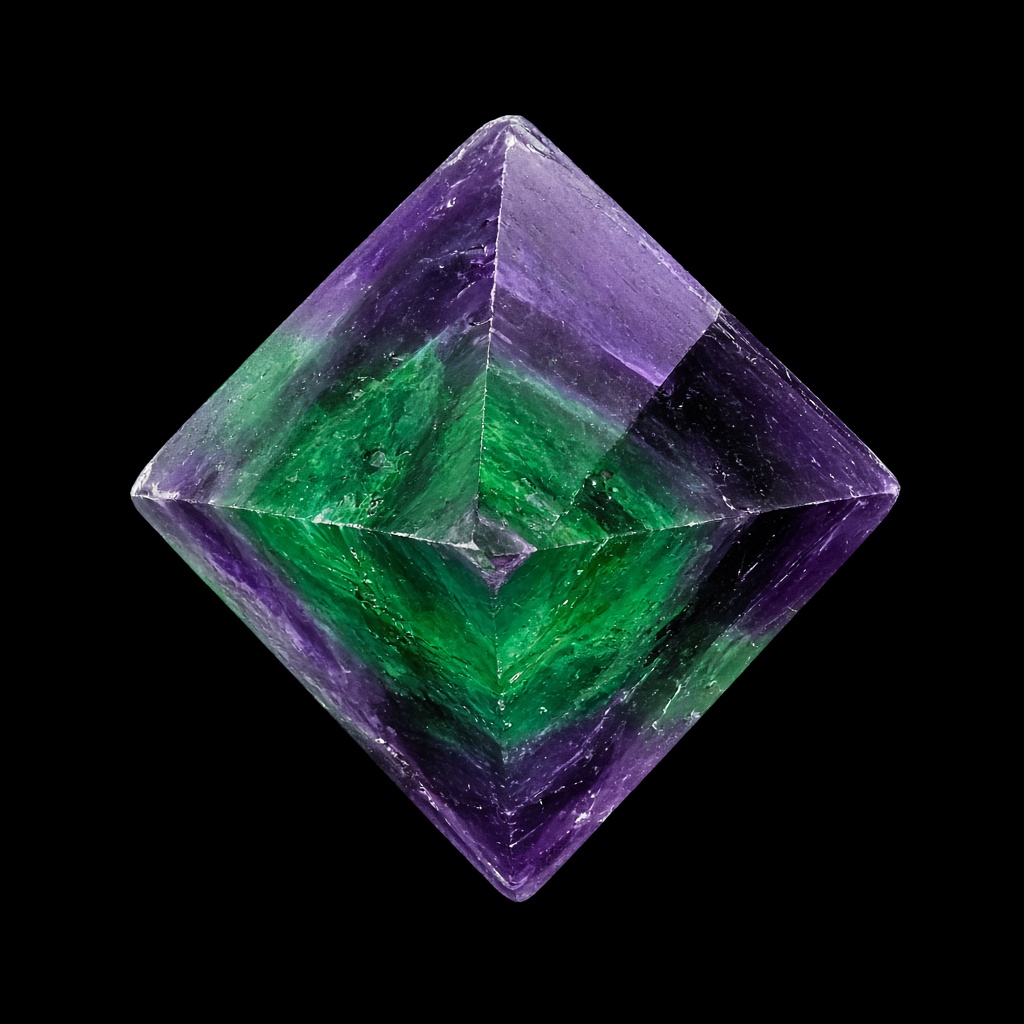
Dolomite belongs in a crystal identifier workflow because photo cues — color zoning, crystal habit, and surface luster — combine with measurable traits like Mohs 3.5–4 and specific gravity 2.85. Use RockScan’s camera to get a first-pass ID, then confirm with the checklist below.
Dolomite properties
| Mohs hardness | 3.5–4 |
|---|---|
| Crystal system | Trigonal |
| Luster | Vitreous to pearly |
| Color | White, pink, gray |
| Composition | Calcium magnesium carbonate |
| Formation | Dolomitization of limestones; hydrothermal veins |
| Occurrence | Worldwide; Italy (type), Alps, USA, Middle East carbonates |
| Specific gravity | 2.85 |
| Cleavage | Perfect rhombohedral |
How to identify Dolomite
- Hardness slightly above calcite
- Weak cold-acid reaction unless powdered
- Curved 'saddle' rhombs common
Collector notes
- Named for French geologist Déodat de Dolomieu
- Dolomite mountains of Italy are the namesake landscape
Value context: Industrial aggregate/chemical rock; pink crystals collected.
Dolomite FAQ
How do you identify Dolomite?
Dolomite (CaMg(CO₃)₂) is typically recognized by white, pink, gray color, vitreous to pearly luster, Mohs hardness 3.5–4, and trigonal crystal system. RockScan can suggest Dolomite from a photo and surface these checks on the result card.
What is Dolomite made of?
Dolomite composition: Calcium magnesium carbonate. It forms via dolomitization of limestones; hydrothermal veins and is found in Worldwide; Italy (type), Alps, USA, Middle East carbonates.
Is Dolomite valuable?
Industrial aggregate/chemical rock; pink crystals collected.