Crystal & mineral guide
Sunstone
Feldspar (oligoclase/labradorite)
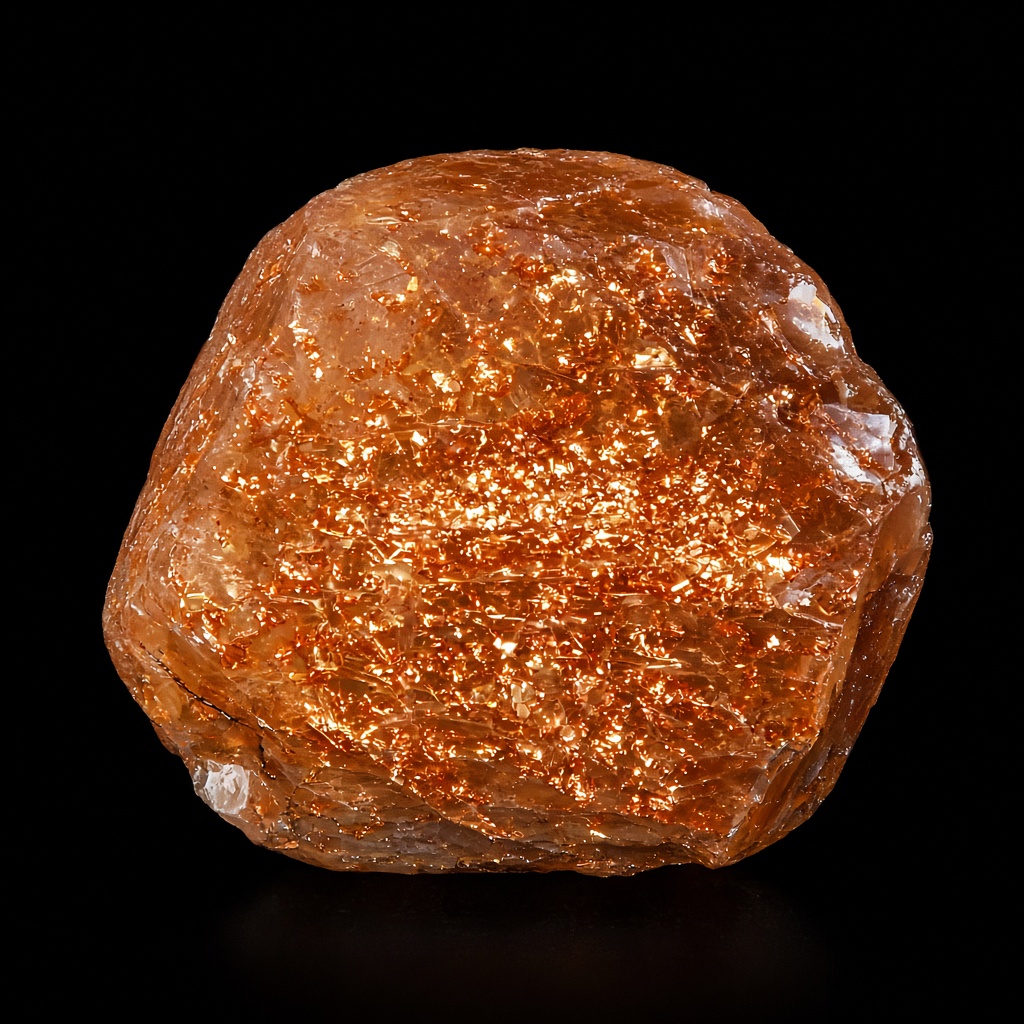
Aventurescent feldspar — Oregon copper sunstone is a modern specialty gem.
Identify Sunstone with RockScanAbout Sunstone
Sunstone shows glitter from reflective platelets (aventurescence). Oregon sunstone may contain native copper; classic material uses hematite. Feldspar cleavage requires careful cutting. Growing presence in designer jewelry markets.
Sunstone belongs in a crystal identifier workflow because photo cues — color zoning, crystal habit, and surface luster — combine with measurable traits like Mohs 6–6.5 and specific gravity 2.62–2.65. Use RockScan’s camera to get a first-pass ID, then confirm with the checklist below.
Sunstone properties
| Mohs hardness | 6–6.5 |
|---|---|
| Crystal system | Triclinic |
| Luster | Vitreous with aventurescence |
| Color | Orange to red with glitter |
| Composition | Plagioclase with copper or hematite platelets |
| Formation | Igneous rocks and pegmatites |
| Occurrence | Oregon (USA), India, Norway, Tanzania |
| Specific gravity | 2.62–2.65 |
| Cleavage | Perfect |
How to identify Sunstone
- Orange body with glittery schiller
- Feldspar cleavage
- Oregon stones may show copper flakes
Collector notes
- Oregon sunstone is that state's gemstone
- Some stones show red/green dichroic schiller
Value context: Strong schiller and large clean Oregon reds bring premiums.
Sunstone FAQ
How do you identify Sunstone?
Sunstone (Feldspar (oligoclase/labradorite)) is typically recognized by orange to red with glitter color, vitreous with aventurescence luster, Mohs hardness 6–6.5, and triclinic crystal system. RockScan can suggest Sunstone from a photo and surface these checks on the result card.
What is Sunstone made of?
Sunstone composition: Plagioclase with copper or hematite platelets. It forms via igneous rocks and pegmatites and is found in Oregon (USA), India, Norway, Tanzania.
Is Sunstone valuable?
Strong schiller and large clean Oregon reds bring premiums.