Crystal & mineral guide
Alexandrite
BeAl₂O₄ (chrysoberyl)
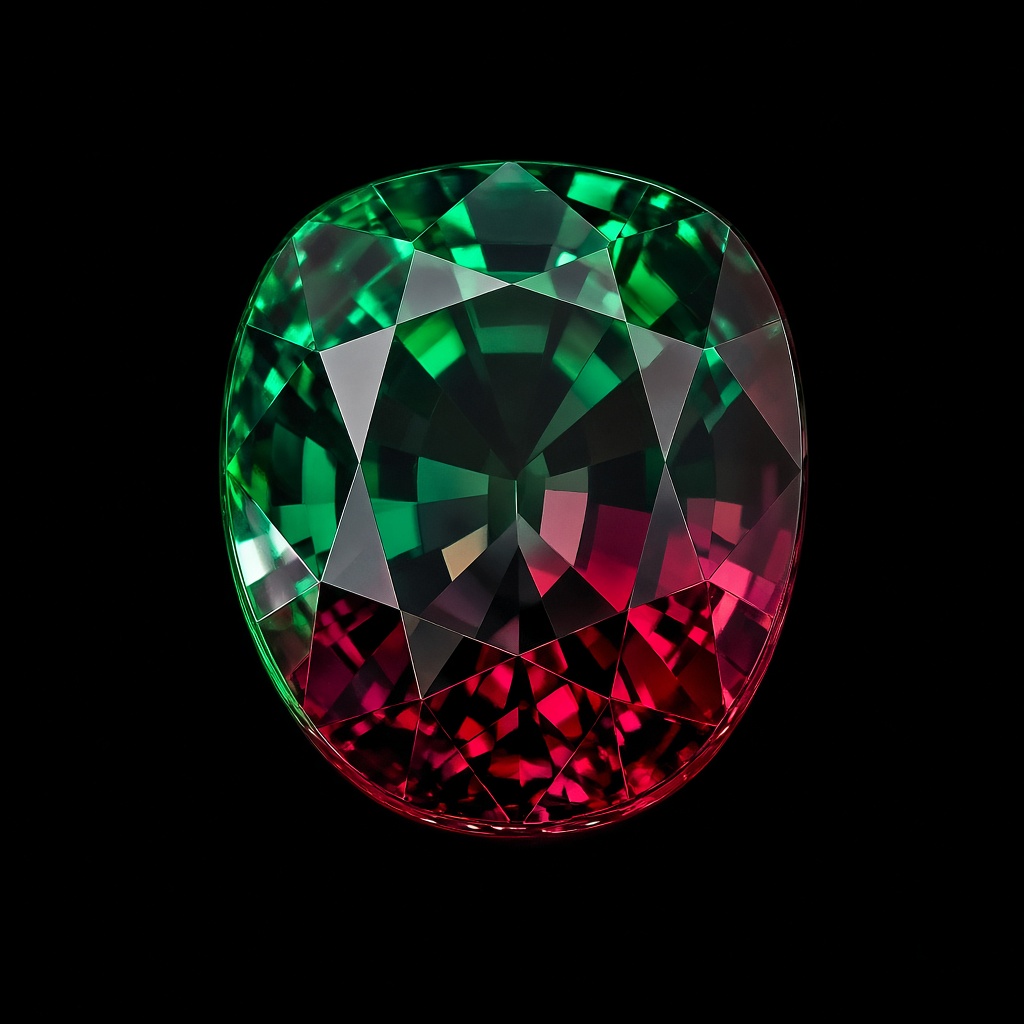
Color-change chrysoberyl — among the rarest and costliest gems.
Identify Alexandrite with RockScanAbout Alexandrite
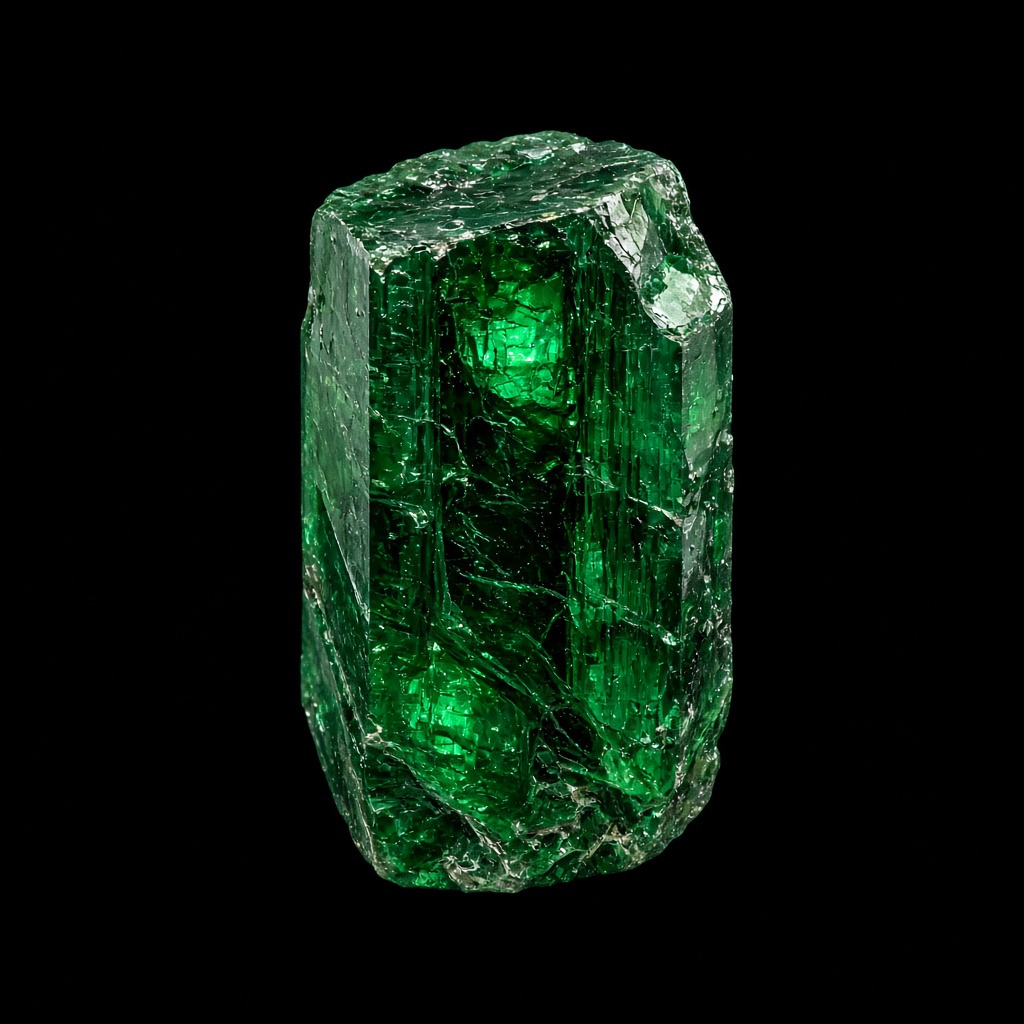
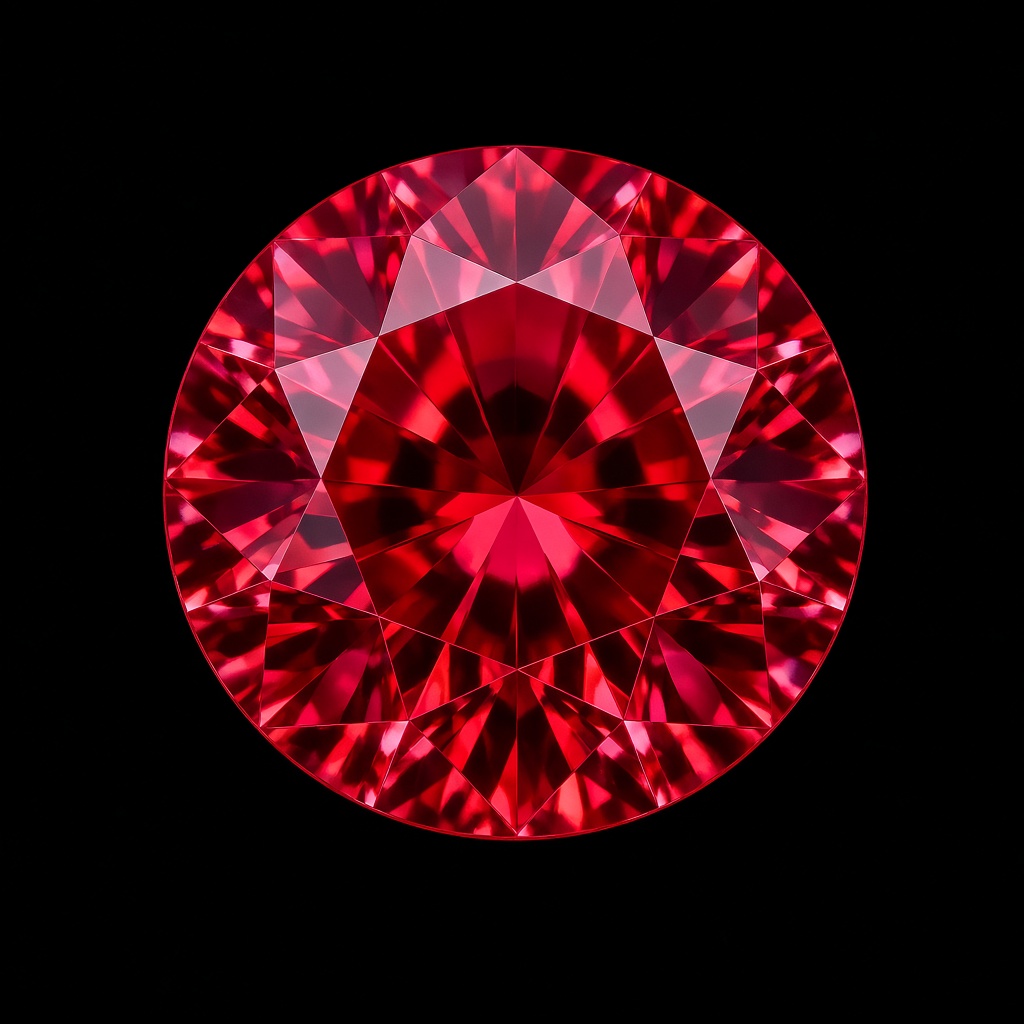
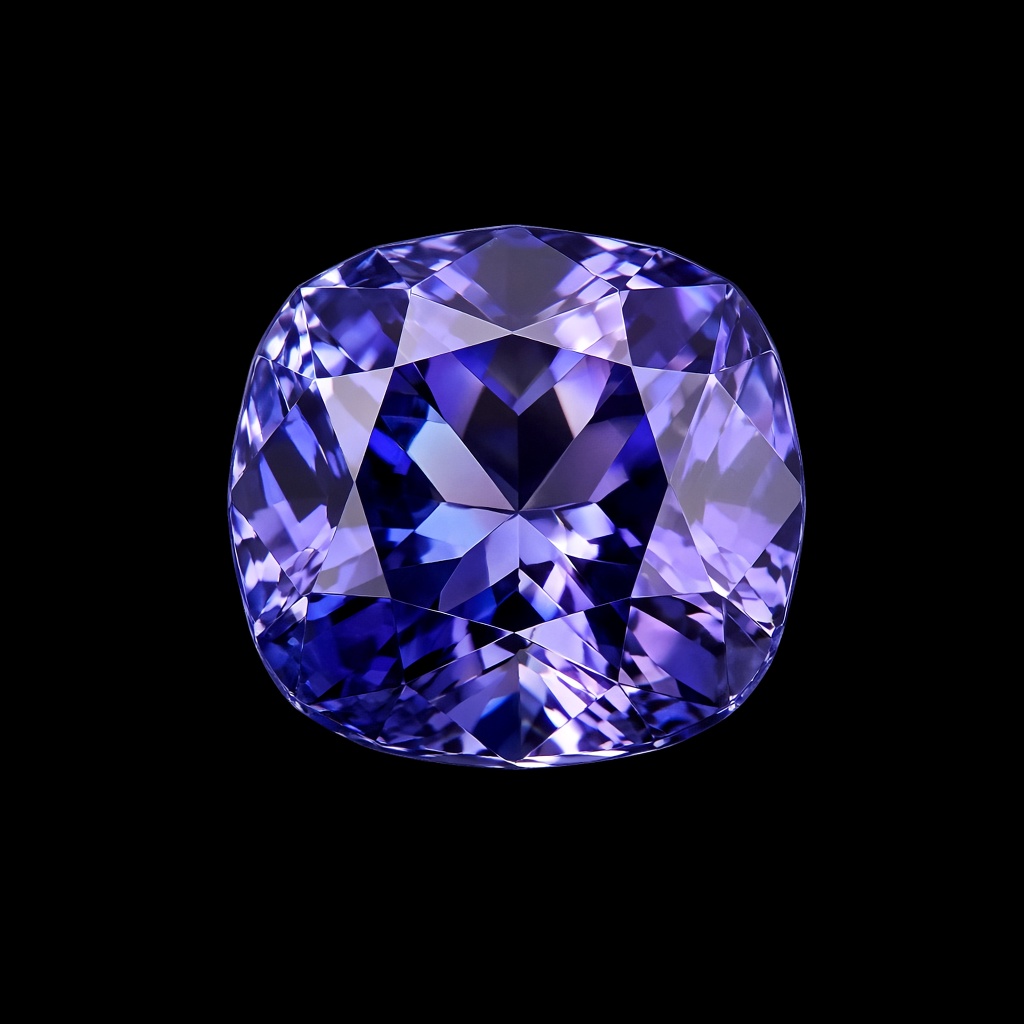
Fine alexandrite shifts green-to-red with lighting. Russian Ural stones set the classic standard; Brazilian and African sources supply modern trade. Synthetic and color-change sapphire simulants exist — lab reports are essential for high-value pieces.
Alexandrite belongs in a crystal identifier workflow because photo cues — color zoning, crystal habit, and surface luster — combine with measurable traits like Mohs 8.5 and specific gravity 3.70–3.78. Use RockScan’s camera to get a first-pass ID, then confirm with the checklist below.
Alexandrite properties
| Mohs hardness | 8.5 |
|---|---|
| Crystal system | Orthorhombic |
| Luster | Vitreous |
| Color | Green in daylight to red under incandescent (phenomenon) |
| Composition | Beryllium aluminum oxide (chrysoberyl variety) |
| Formation | Metamorphic mica schists and pegmatites |
| Occurrence | Russia (Urals historic), Brazil, Sri Lanka, East Africa |
| Specific gravity | 3.70–3.78 |
| Cleavage | Distinct |
How to identify Alexandrite
- Distinct color change green↔red/purple
- Hardness 8.5; strong pleochroism
- RI ~1.74–1.76
Collector notes
- Named for Tsar Alexander II
- June birthstone in some modern lists
Value context: Strong color change and clarity drive extreme per-carat prices.
Alexandrite FAQ
How do you identify Alexandrite?
Alexandrite (BeAl₂O₄ (chrysoberyl)) is typically recognized by green in daylight to red under incandescent (phenomenon) color, vitreous luster, Mohs hardness 8.5, and orthorhombic crystal system. RockScan can suggest Alexandrite from a photo and surface these checks on the result card.
What is Alexandrite made of?
Alexandrite composition: Beryllium aluminum oxide (chrysoberyl variety). It forms via metamorphic mica schists and pegmatites and is found in Russia (Urals historic), Brazil, Sri Lanka, East Africa.
Is Alexandrite valuable?
Strong color change and clarity drive extreme per-carat prices.