Crystal & mineral guide
Sulfur
S
Native yellow sulfur — volcanic and evaporite industrial feedstock.
Identify Sulfur with RockScanAbout Sulfur
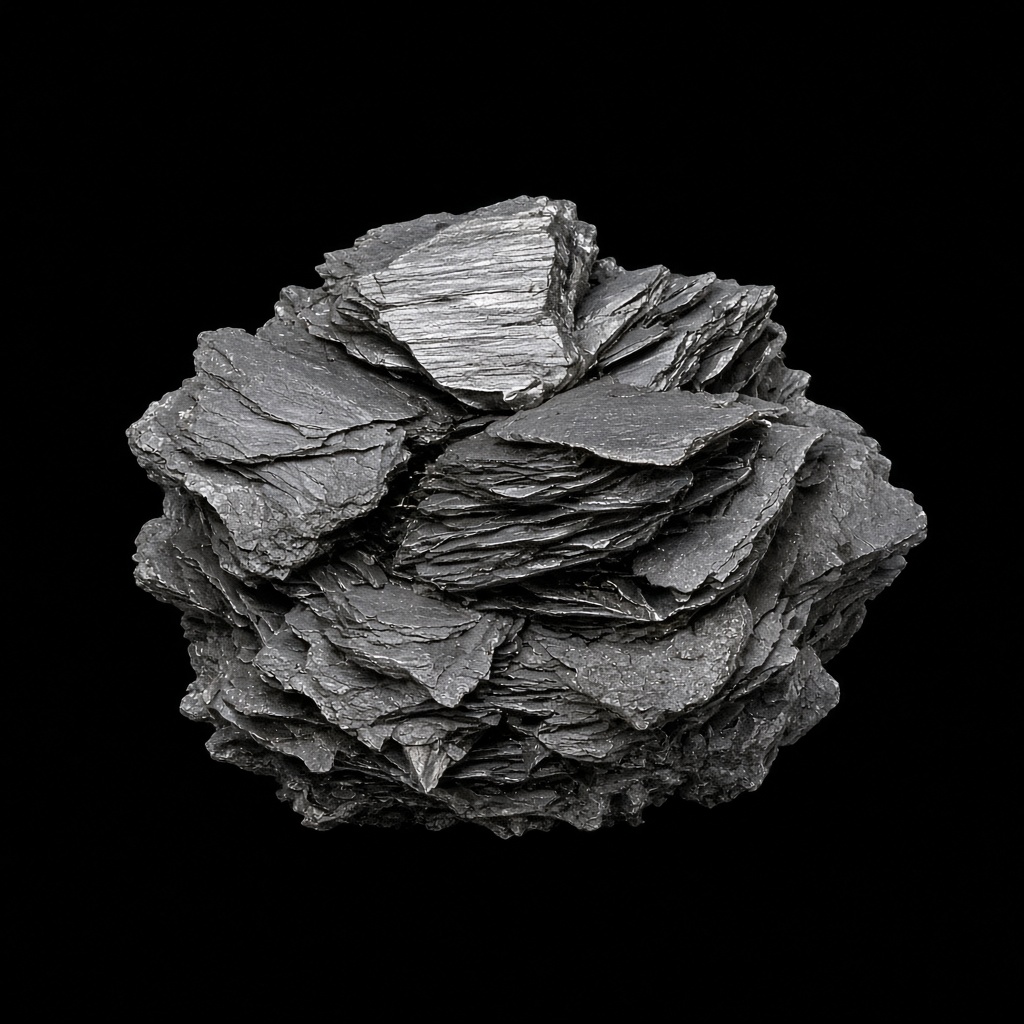
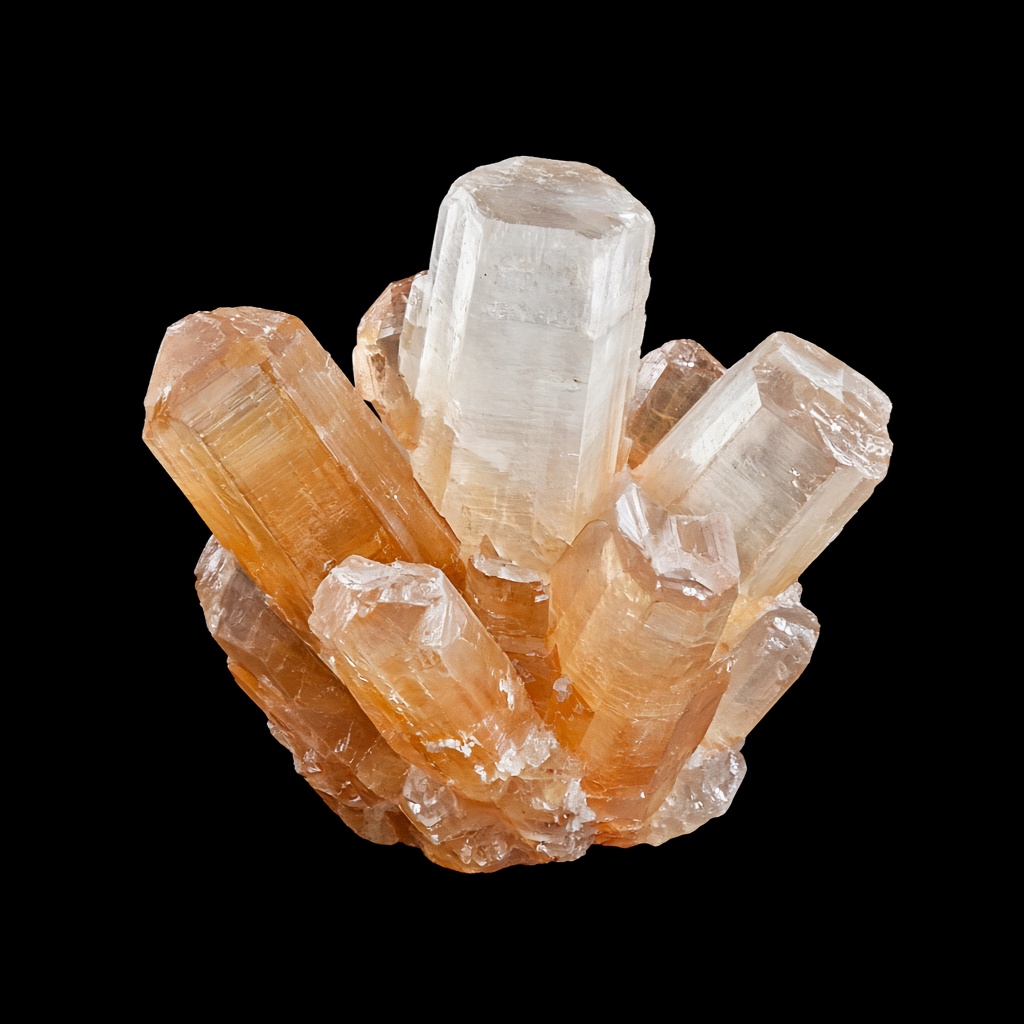
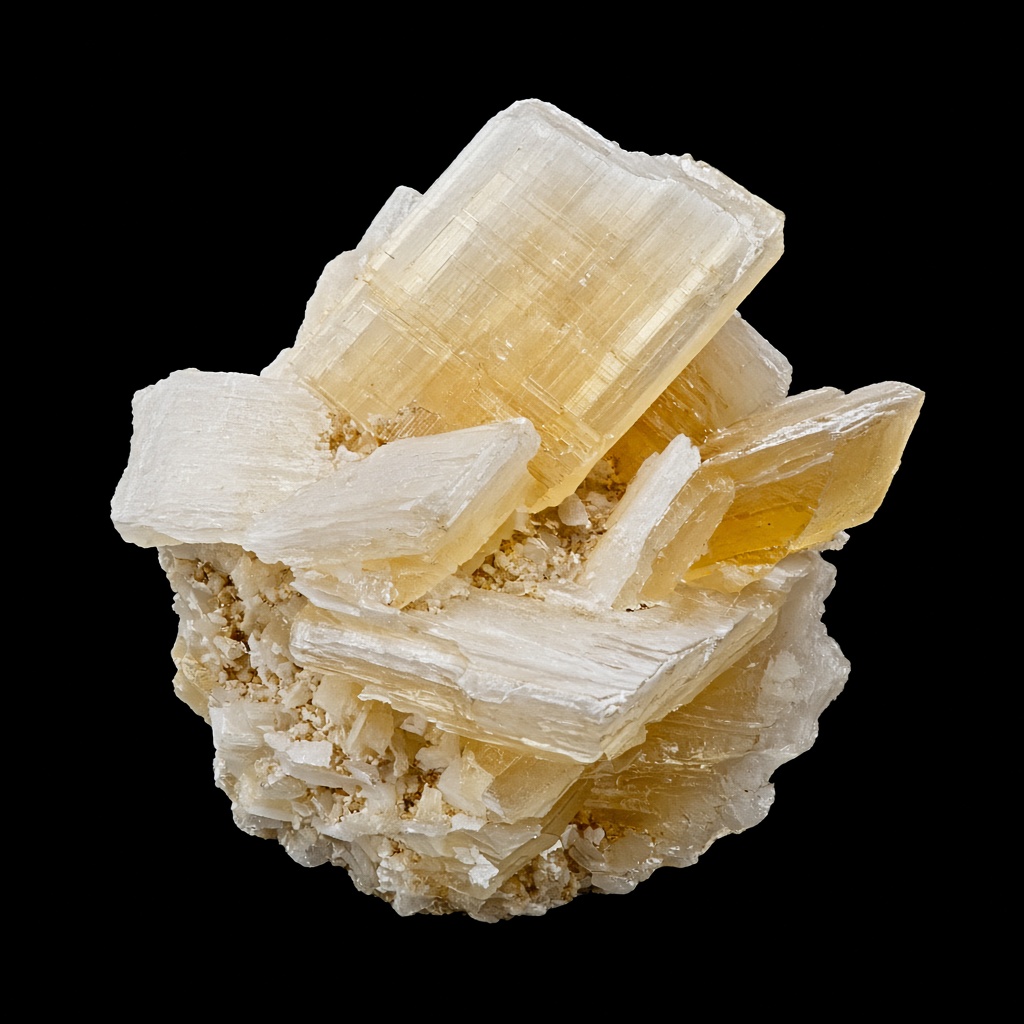
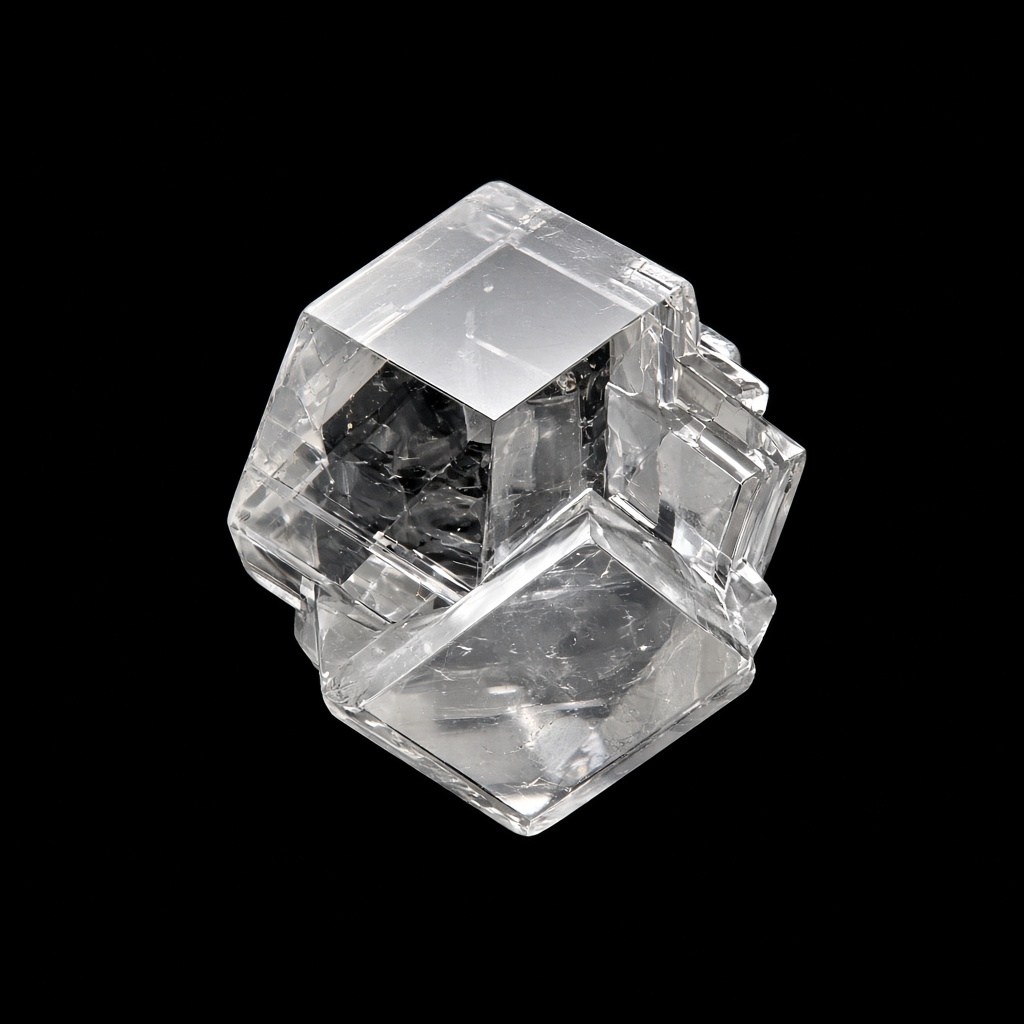
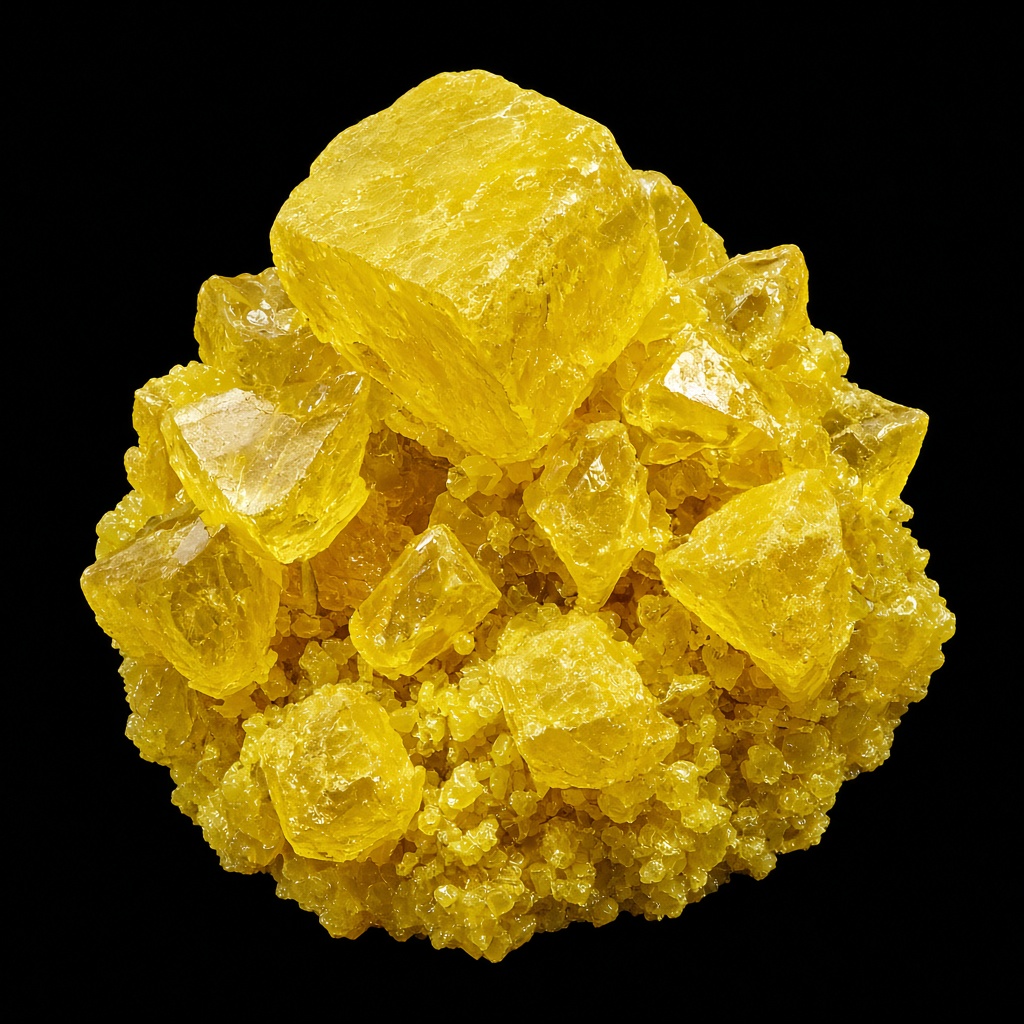
Native sulfur forms bright yellow crystals around fumaroles and in evaporite caps. Brittle, low melting point, and distinctive odor when heated. Used historically for sulfuric acid and gunpowder chemistry; modern sulfur mostly recovered from hydrocarbons.
Sulfur belongs in a crystal identifier workflow because photo cues — color zoning, crystal habit, and surface luster — combine with measurable traits like Mohs 1.5–2.5 and specific gravity 2.0–2.1. Use RockScan’s camera to get a first-pass ID, then confirm with the checklist below.
Sulfur properties
| Mohs hardness | 1.5–2.5 |
|---|---|
| Crystal system | Orthorhombic |
| Luster | Resinous |
| Color | Bright yellow |
| Composition | Elemental sulfur |
| Formation | Volcanic sublimates and sulfate reduction/evaporite settings |
| Occurrence | Sicily, Indonesia, USA (Gulf Coast), Chile |
| Specific gravity | 2.0–2.1 |
| Cleavage | Imperfect |
How to identify Sulfur
- Bright yellow; resinous
- Lightweight; brittle
- Melts easily; SO₂ odor when burned carefully in lab
Collector notes
- Sicilian sulfur mines were historically important in Europe
- Burns with a blue flame
Value context: Specimen crystals from volcanic localities; bulk sulfur is industrial commodity.
Sulfur FAQ
How do you identify Sulfur?
Sulfur (S) is typically recognized by bright yellow color, resinous luster, Mohs hardness 1.5–2.5, and orthorhombic crystal system. RockScan can suggest Sulfur from a photo and surface these checks on the result card.
What is Sulfur made of?
Sulfur composition: Elemental sulfur. It forms via volcanic sublimates and sulfate reduction/evaporite settings and is found in Sicily, Indonesia, USA (Gulf Coast), Chile.
Is Sulfur valuable?
Specimen crystals from volcanic localities; bulk sulfur is industrial commodity.