Crystal & mineral guide
Sodalite
Na₈(Al₆Si₆O₂₄)Cl₂
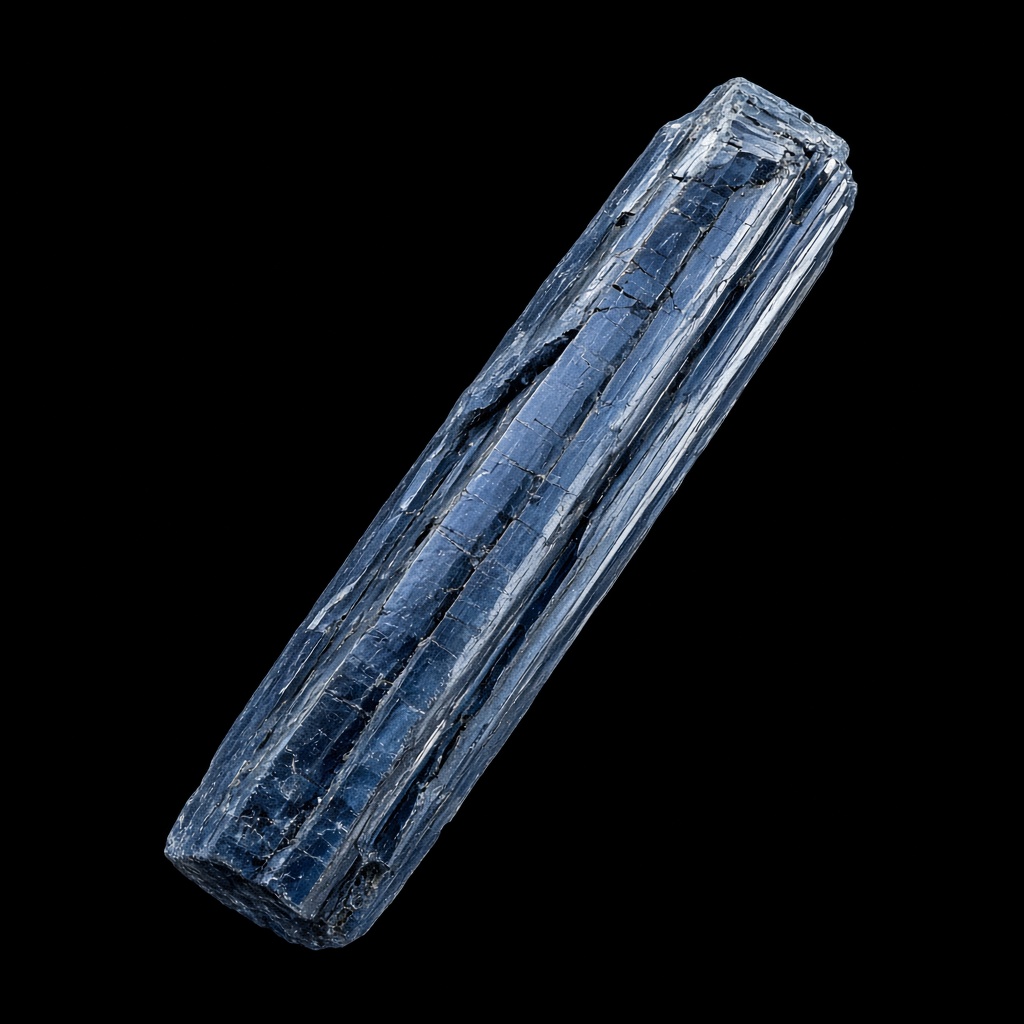
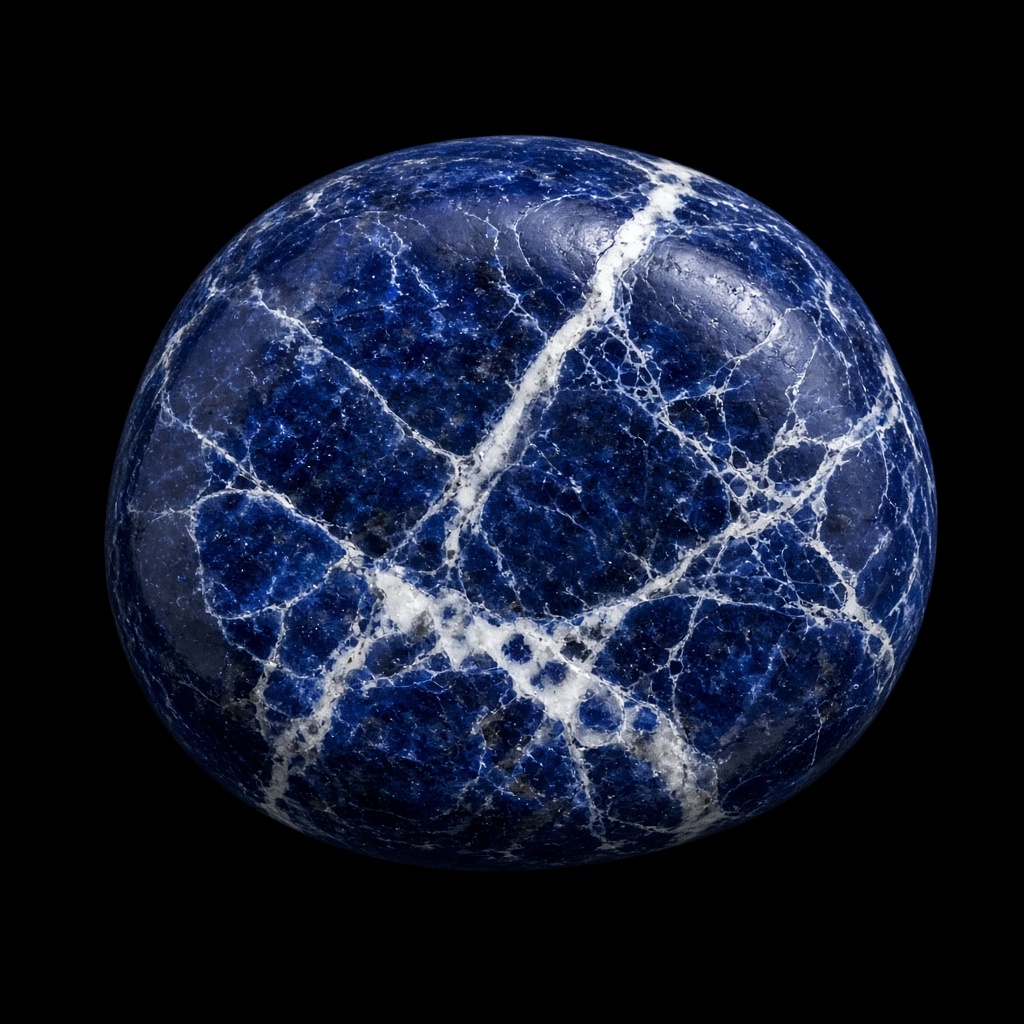
Opaque royal-blue feldspathoid — affordable lapis lookalike in trade.
Identify Sodalite with RockScanAbout Sodalite
Sodalite offers rich blue with white veining at lower cost than fine lapis. Lacks lapis's pyrite flecks and usually shows more white. Popular for beads and decorative stone. Hackmanite variety can tenebrescently change color.
Sodalite belongs in a crystal identifier workflow because photo cues — color zoning, crystal habit, and surface luster — combine with measurable traits like Mohs 5.5–6 and specific gravity 2.14–2.40. Use RockScan’s camera to get a first-pass ID, then confirm with the checklist below.
Sodalite properties
| Mohs hardness | 5.5–6 |
|---|---|
| Crystal system | Cubic |
| Luster | Vitreous to greasy |
| Color | Royal blue with white veins |
| Composition | Sodium aluminum silicate chloride |
| Formation | Silica-undersaturated igneous rocks |
| Occurrence | Canada (Ontario), Brazil, Namibia, Russia |
| Specific gravity | 2.14–2.40 |
| Cleavage | Poor |
How to identify Sodalite
- Blue with white veins; little/no pyrite
- Lower SG than lapis
- Often more mottled than top Afghan lapis
Collector notes
- Major deposits discovered in Ontario in the 1890s
- Hackmanite can change color with light exposure
Value context: Deep even blue with minimal white grades highest.
Sodalite FAQ
How do you identify Sodalite?
Sodalite (Na₈(Al₆Si₆O₂₄)Cl₂) is typically recognized by royal blue with white veins color, vitreous to greasy luster, Mohs hardness 5.5–6, and cubic crystal system. RockScan can suggest Sodalite from a photo and surface these checks on the result card.
What is Sodalite made of?
Sodalite composition: Sodium aluminum silicate chloride. It forms via silica-undersaturated igneous rocks and is found in Canada (Ontario), Brazil, Namibia, Russia.
Is Sodalite valuable?
Deep even blue with minimal white grades highest.