Crystal & mineral guide
Shale
Fissile mudrock
Fissile mudrock — Earth's most abundant sedimentary rock.
Identify Shale with RockScanAbout Shale
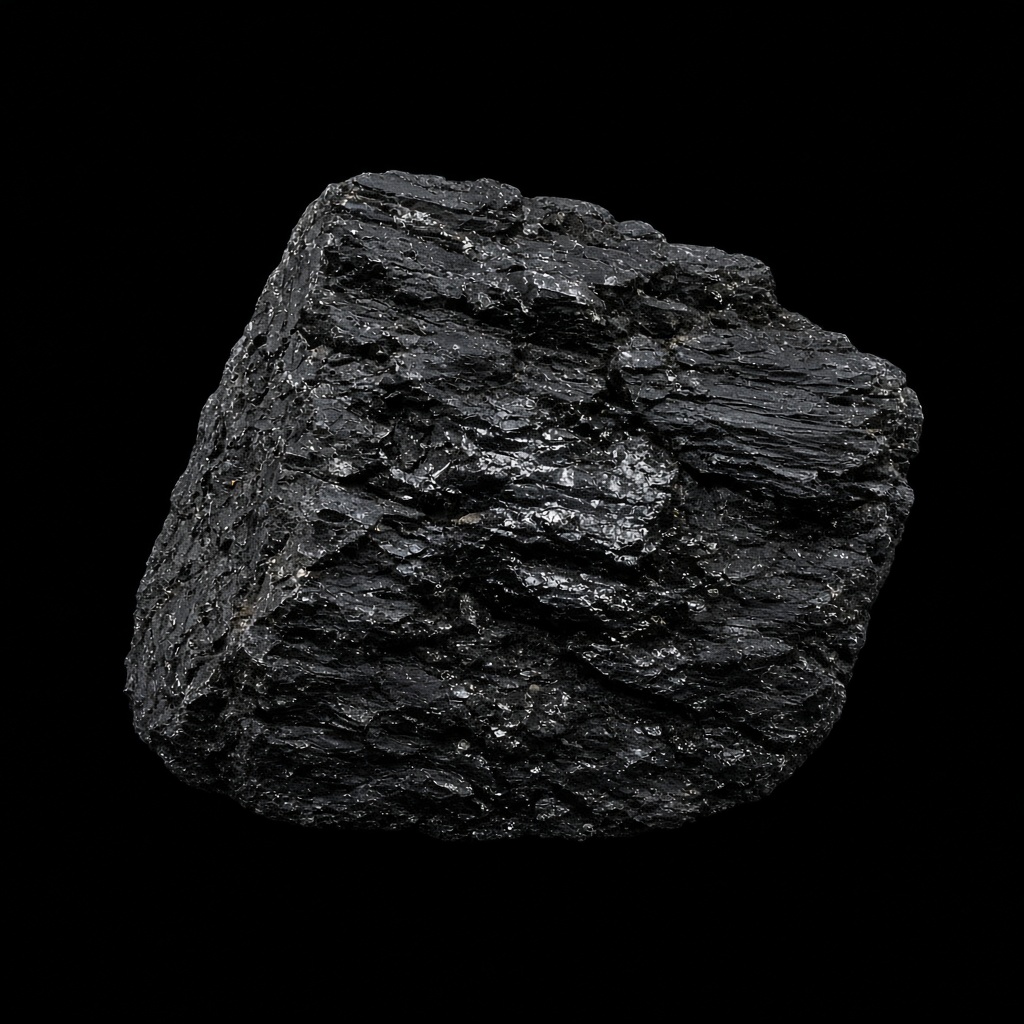
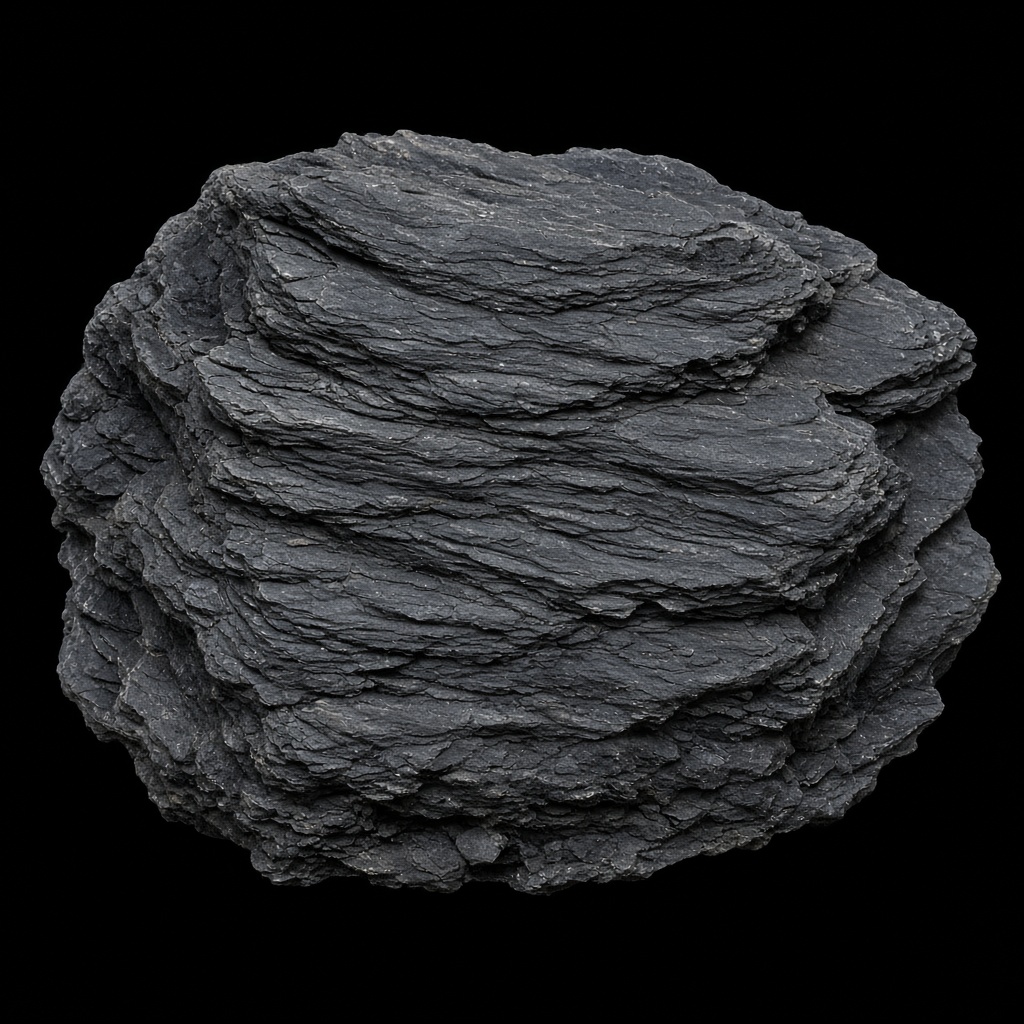
Shale splits into thin layers (fissility) from aligned clay minerals. Black shales may be organic-rich source rocks for petroleum. Soft and weathers easily. Distinguished from slate by lack of hard metamorphic cleavage sheen.
Shale belongs in a crystal identifier workflow because photo cues — color zoning, crystal habit, and surface luster — combine with measurable traits like Mohs 1–3 (aggregate) and specific gravity 2.0–2.7. Use RockScan’s camera to get a first-pass ID, then confirm with the checklist below.
Shale properties
| Mohs hardness | 1–3 (aggregate) |
|---|---|
| Crystal system | Clastic aggregate |
| Luster | Dull |
| Color | Gray, black, red, green |
| Composition | Clay minerals + silt |
| Formation | Compaction of mud in quiet water |
| Occurrence | Worldwide sedimentary basins |
| Specific gravity | 2.0–2.7 |
| Cleavage | Fissile parting |
How to identify Shale
- Splits into thin sheets
- Soft; earthy smell when wet
- Fine grains not visible
Collector notes
- Most abundant sedimentary rock on Earth
- Oil shale and gas shale are major energy resources
Value context: Bulk industrial/energy rock; fossiliferous nodules may be collected.
Shale FAQ
How do you identify Shale?
Shale (Fissile mudrock) is typically recognized by gray, black, red, green color, dull luster, Mohs hardness 1–3 (aggregate), and clastic aggregate crystal system. RockScan can suggest Shale from a photo and surface these checks on the result card.
What is Shale made of?
Shale composition: Clay minerals + silt. It forms via compaction of mud in quiet water and is found in Worldwide sedimentary basins.
Is Shale valuable?
Bulk industrial/energy rock; fossiliferous nodules may be collected.