Crystal & mineral guide
Serpentine
(Mg,Fe)₃Si₂O₅(OH)₄ group
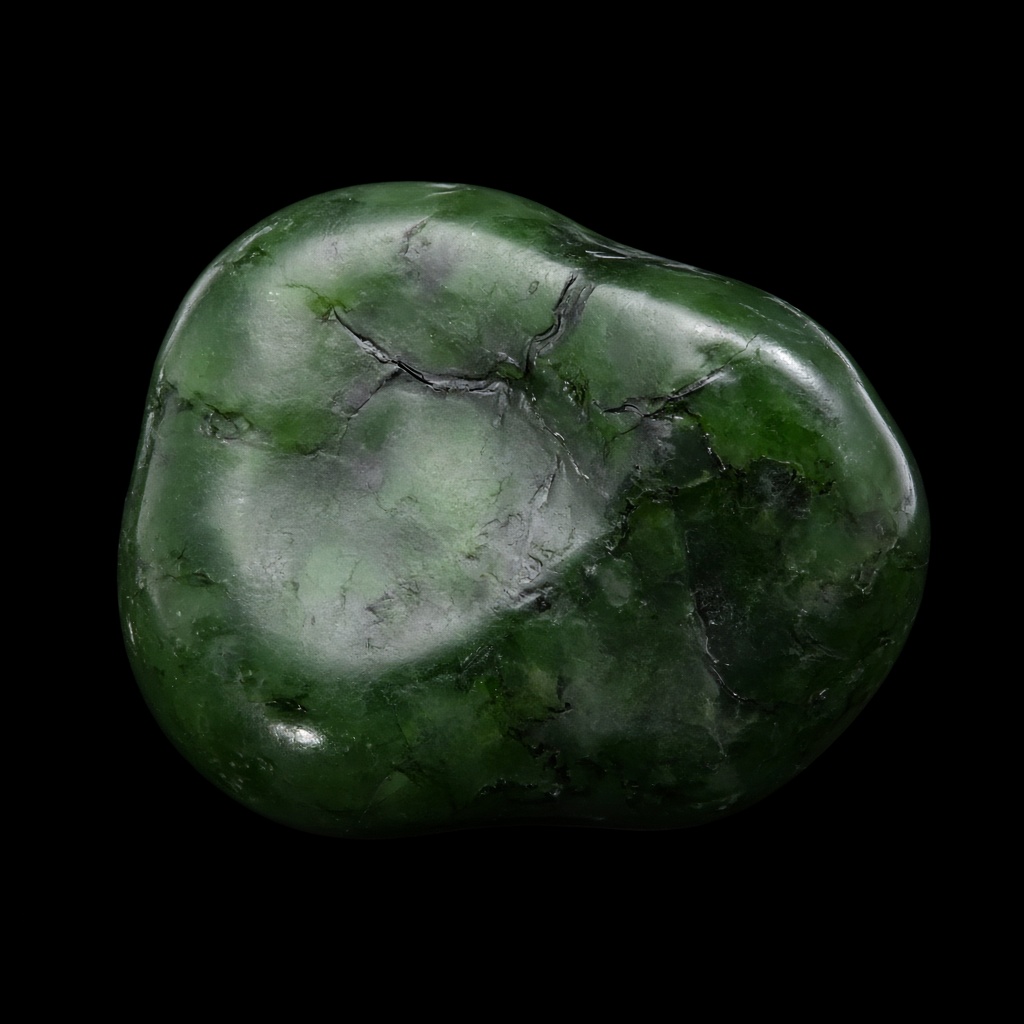
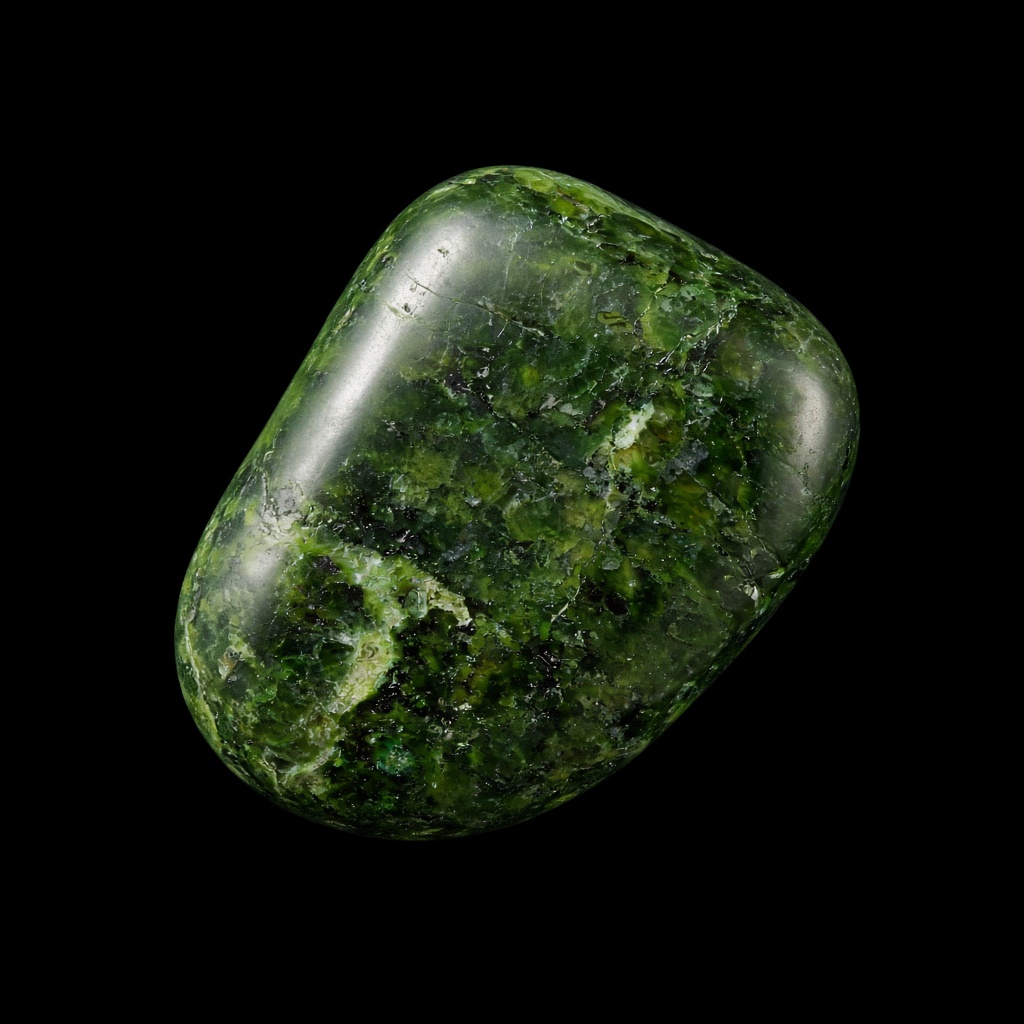
Soft green carving stone — common jade simulant in trade.
Identify Serpentine with RockScanAbout Serpentine
Serpentine group minerals (antigorite, chrysotile, lizardite) form green ornamental stone. Often sold misleadingly as 'new jade.' Softer and lower SG than true jade. Asbestos-form chrysotile requires dust precautions when cutting.
Serpentine belongs in a crystal identifier workflow because photo cues — color zoning, crystal habit, and surface luster — combine with measurable traits like Mohs 2.5–5 and specific gravity 2.44–2.62. Use RockScan’s camera to get a first-pass ID, then confirm with the checklist below.
Serpentine properties
| Mohs hardness | 2.5–5 |
|---|---|
| Crystal system | Monoclinic (group) |
| Luster | Greasy to waxy |
| Color | Green, yellow-green, black-green |
| Composition | Hydrous magnesium iron phyllosilicates |
| Formation | Hydrothermal alteration of ultramafic rocks |
| Occurrence | Worldwide; Afghanistan, China, USA, UK |
| Specific gravity | 2.44–2.62 |
| Cleavage | Basal (group-dependent) |
How to identify Serpentine
- Greasy green feel; softer than jade
- SG lower than jadeite/nephrite
- May show fibrous texture
Collector notes
- Name from snake-like mottled patterns
- Important marker of altered ultramafic belts
Value context: Fine translucent carving grades; disclose if sold near jade price points.
Serpentine FAQ
How do you identify Serpentine?
Serpentine ((Mg,Fe)₃Si₂O₅(OH)₄ group) is typically recognized by green, yellow-green, black-green color, greasy to waxy luster, Mohs hardness 2.5–5, and monoclinic (group) crystal system. RockScan can suggest Serpentine from a photo and surface these checks on the result card.
What is Serpentine made of?
Serpentine composition: Hydrous magnesium iron phyllosilicates. It forms via hydrothermal alteration of ultramafic rocks and is found in Worldwide; Afghanistan, China, USA, UK.
Is Serpentine valuable?
Fine translucent carving grades; disclose if sold near jade price points.