Crystal & mineral guide
Sapphire
Al₂O₃ (Corundum)
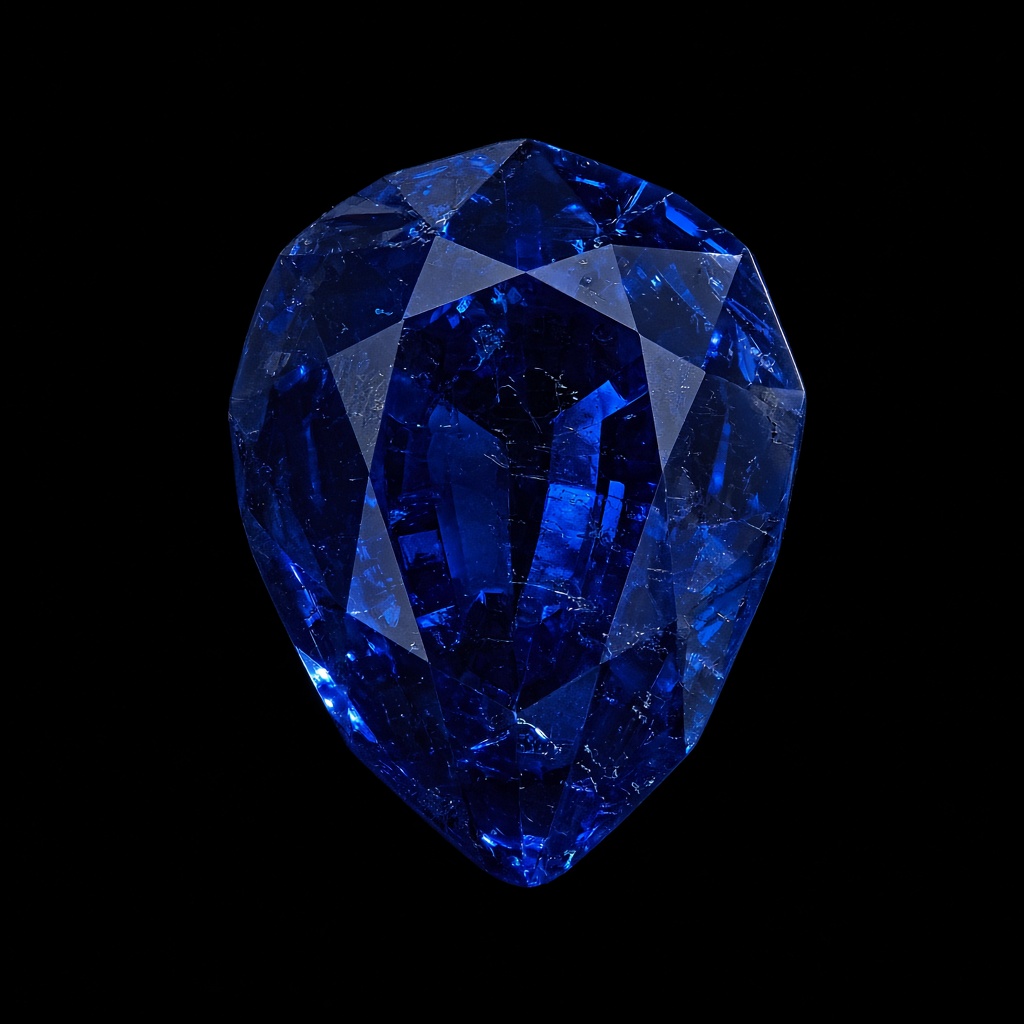
Blue corundum and September birthstone — durable enough for daily wear.
Identify Sapphire with RockScanAbout Sapphire
Kashmir sapphires set the velvet-blue standard; Ceylon stones tend lighter and brighter. Fancy sapphires include yellow, padparadscha (pink-orange), and green. Heat treatment is common. Star sapphires show asterism from rutile silk.
Sapphire belongs in a crystal identifier workflow because photo cues — color zoning, crystal habit, and surface luster — combine with measurable traits like Mohs 9 and specific gravity 4.00. Use RockScan’s camera to get a first-pass ID, then confirm with the checklist below.
Sapphire properties
| Mohs hardness | 9 |
|---|---|
| Crystal system | Trigonal |
| Luster | Vitreous |
| Color | Blue classic; also fancy colors except red |
| Composition | Aluminum oxide with iron and titanium (blue) |
| Formation | Metamorphic and igneous-related deposits |
| Occurrence | Kashmir, Sri Lanka, Madagascar, Australia, Montana |
| Specific gravity | 4.00 |
| Cleavage | None |
How to identify Sapphire
- Hardness 9; RI ~1.76–1.77
- Pleochroism in blue stones
- Silk inclusions may indicate natural origin
Collector notes
- Non-blue sapphires are sold by color name (yellow sapphire, etc.)
- Padparadscha means lotus blossom
Value context: Cornflower velvet blues with provenance bring collector premiums.
Sapphire FAQ
How do you identify Sapphire?
Sapphire (Al₂O₃ (Corundum)) is typically recognized by blue classic; also fancy colors except red color, vitreous luster, Mohs hardness 9, and trigonal crystal system. RockScan can suggest Sapphire from a photo and surface these checks on the result card.
What is Sapphire made of?
Sapphire composition: Aluminum oxide with iron and titanium (blue). It forms via metamorphic and igneous-related deposits and is found in Kashmir, Sri Lanka, Madagascar, Australia, Montana.
Is Sapphire valuable?
Cornflower velvet blues with provenance bring collector premiums.