Crystal & mineral guide
Diamond
Carbon (C)
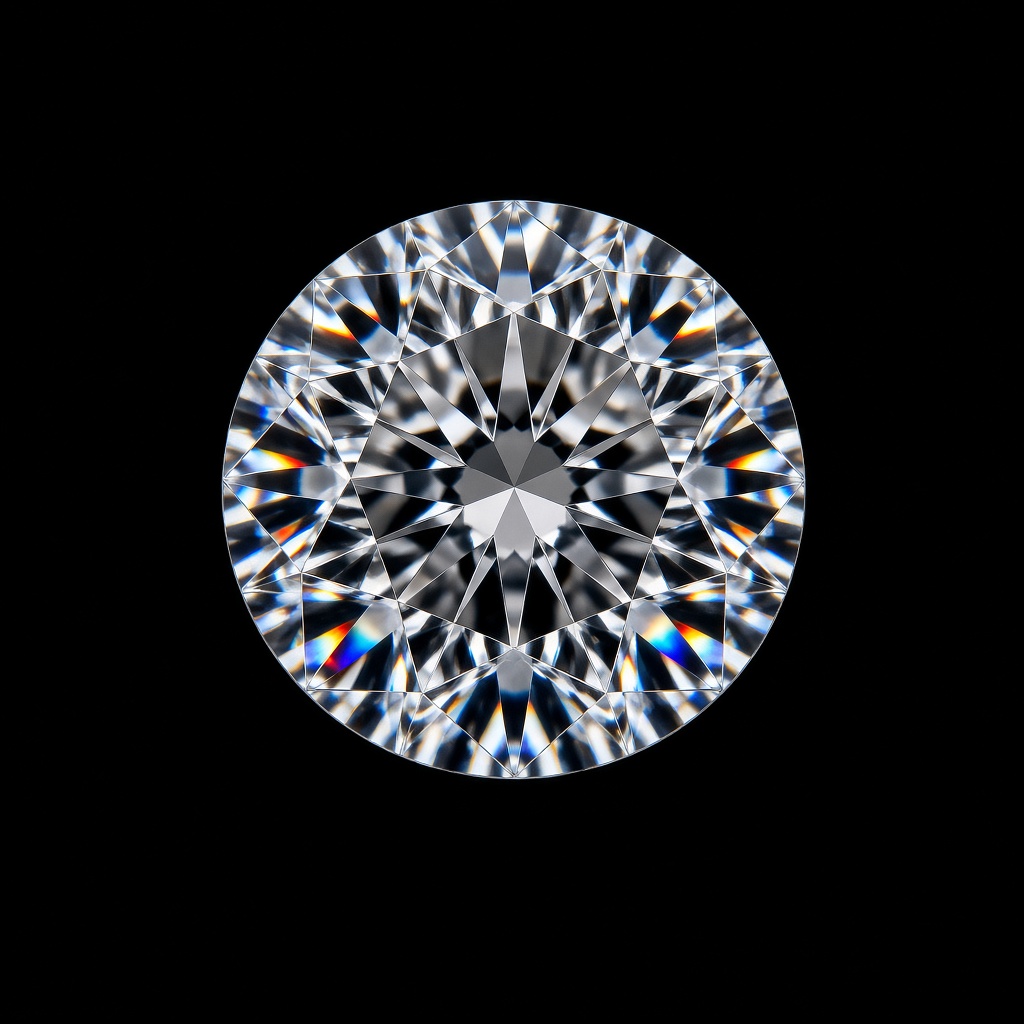
The hardest natural mineral and the April birthstone — prized for brilliance and durability.
Identify Diamond with RockScanAbout Diamond
Diamond forms deep in Earth's mantle where carbon crystallizes under extreme pressure. Its adamantine luster and high refractive index create the classic white brilliance jewelers call 'life.' Colorless stones dominate engagement jewelry in Gulf and global markets; fancy colors command collector premiums. Industry grading uses the 4Cs: cut, color, clarity, and carat.
Diamond belongs in a crystal identifier workflow because photo cues — color zoning, crystal habit, and surface luster — combine with measurable traits like Mohs 10 and specific gravity 3.52. Use RockScan’s camera to get a first-pass ID, then confirm with the checklist below.
Diamond properties
| Mohs hardness | 10 |
|---|---|
| Crystal system | Cubic (isometric) |
| Luster | Adamantine |
| Color | Colorless to fancy yellow, blue, pink |
| Composition | Pure carbon in a tetrahedral lattice |
| Formation | Ultra-high pressure/temperature in the mantle; brought up in kimberlite |
| Occurrence | South Africa, Russia, Botswana, Canada, Australia |
| Specific gravity | 3.52 |
| Cleavage | Perfect octahedral |
How to identify Diamond
- Highest hardness — scratches corundum
- Sharp facet junctions and adamantine shine
- Thermal conductivity pens distinguish diamond from glass/CZ
Collector notes
- Diamond and graphite are both pure carbon with different structures
- Most natural diamonds are over 1 billion years old
Value context: Retail value depends heavily on cut quality and certification (GIA/IGI).
Diamond FAQ
How do you identify Diamond?
Diamond (Carbon (C)) is typically recognized by colorless to fancy yellow, blue, pink color, adamantine luster, Mohs hardness 10, and cubic (isometric) crystal system. RockScan can suggest Diamond from a photo and surface these checks on the result card.
What is Diamond made of?
Diamond composition: Pure carbon in a tetrahedral lattice. It forms via ultra-high pressure/temperature in the mantle; brought up in kimberlite and is found in South Africa, Russia, Botswana, Canada, Australia.
Is Diamond valuable?
Retail value depends heavily on cut quality and certification (GIA/IGI).