Crystal & mineral guide
Rhyolite
Felsic extrusive rock
Fine-grained felsic volcanic equivalent of granite.
Identify Rhyolite with RockScanAbout Rhyolite
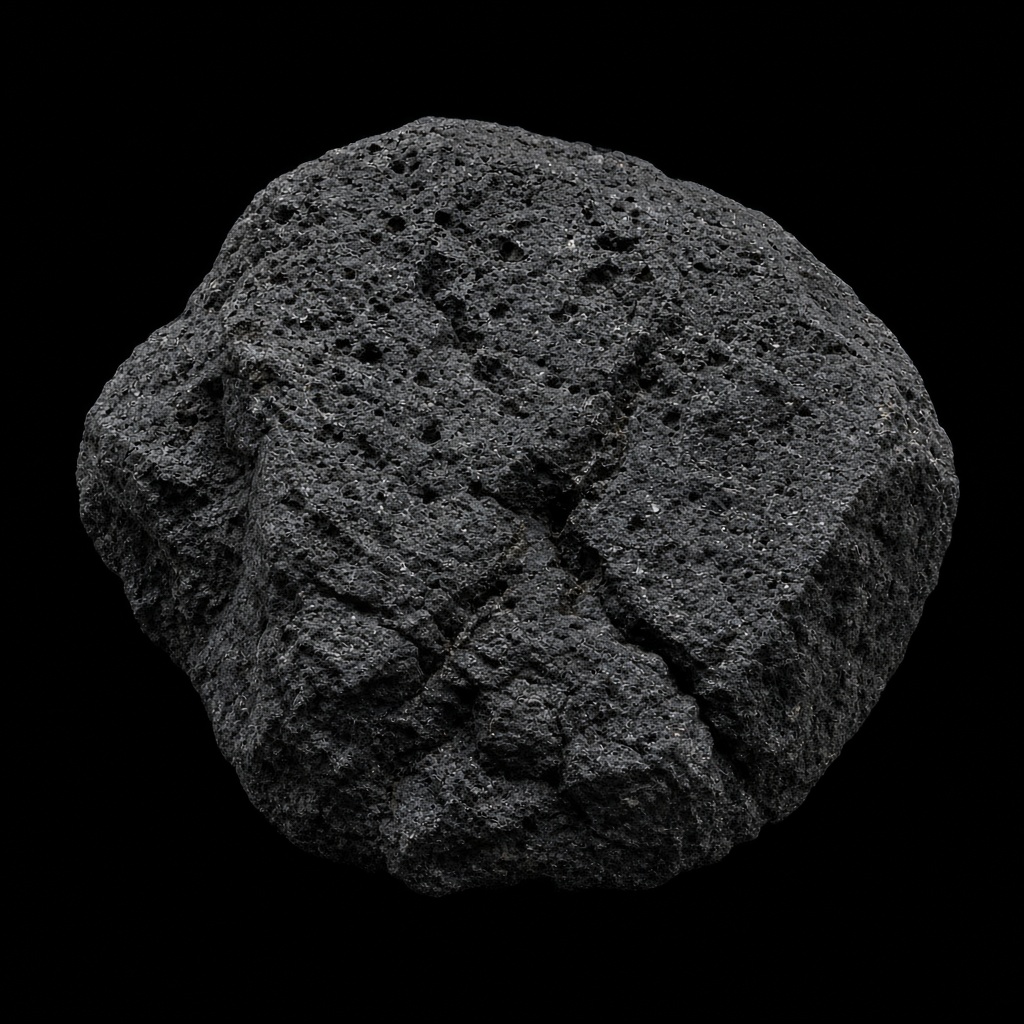
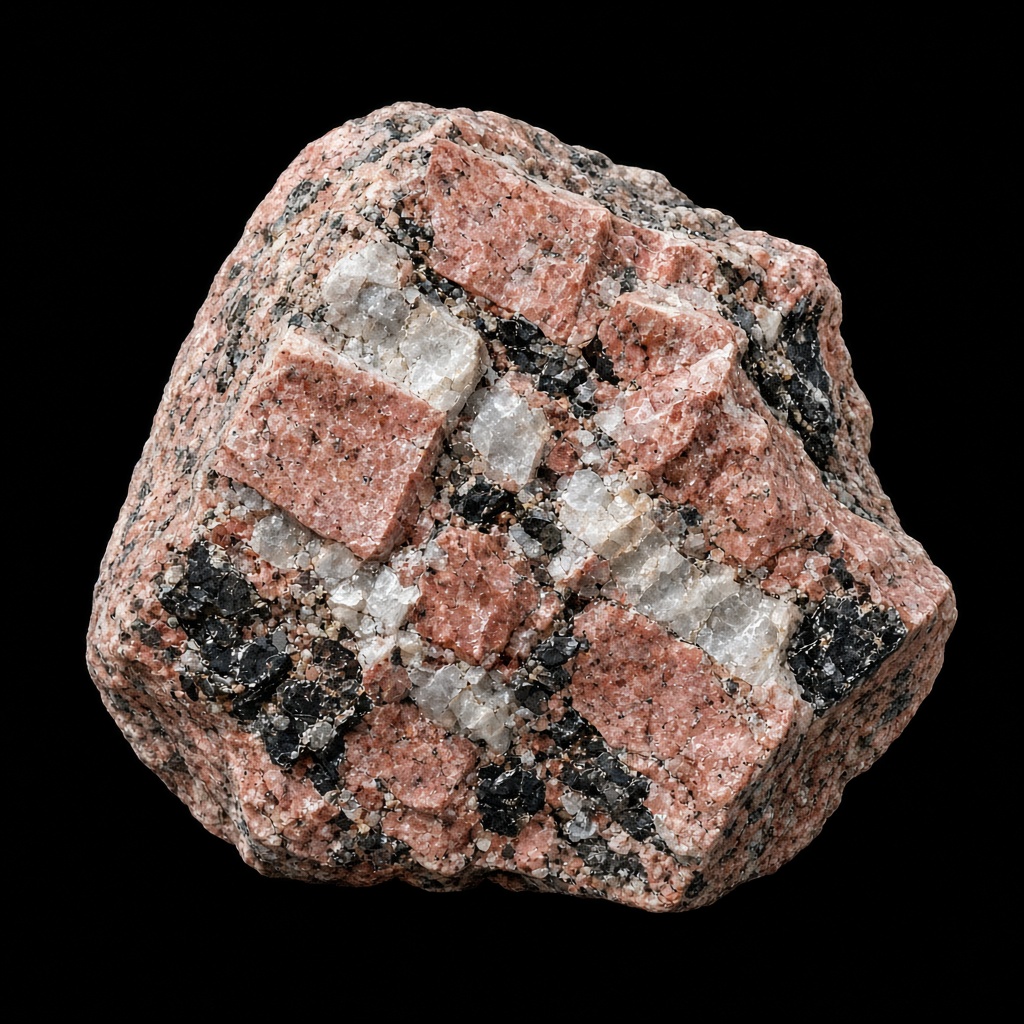
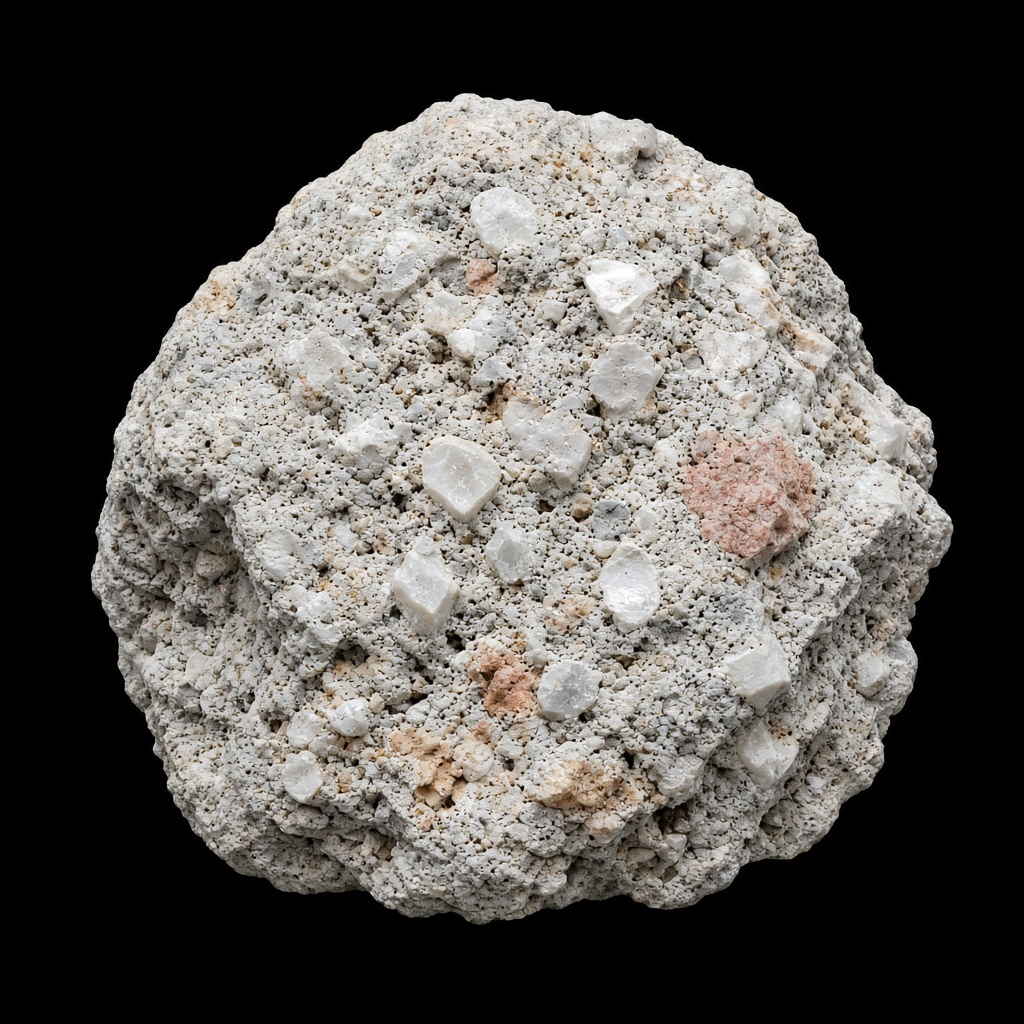
Rhyolite matches granite chemically but cools quickly at the surface, yielding fine grain size. Flow banding and phenocrysts are common. Hosts topaz and other cavity minerals in some rhyolites (Utah Thomas Range).
Rhyolite belongs in a crystal identifier workflow because photo cues — color zoning, crystal habit, and surface luster — combine with measurable traits like Mohs 6–7 (aggregate) and specific gravity 2.4–2.6. Use RockScan’s camera to get a first-pass ID, then confirm with the checklist below.
Rhyolite properties
| Mohs hardness | 6–7 (aggregate) |
|---|---|
| Crystal system | Aphanitic/porphyritic |
| Luster | Dull to vitreous |
| Color | Pink, gray, tan |
| Composition | Quartz + feldspar groundmass (granite chemistry) |
| Formation | Rapid cooling of high-silica lava/ash flows |
| Occurrence | Continental volcanic fields worldwide |
| Specific gravity | 2.4–2.6 |
| Cleavage | None |
How to identify Rhyolite
- Light-colored fine volcanic rock
- May show flow banding
- Hard; quartz-bearing
Collector notes
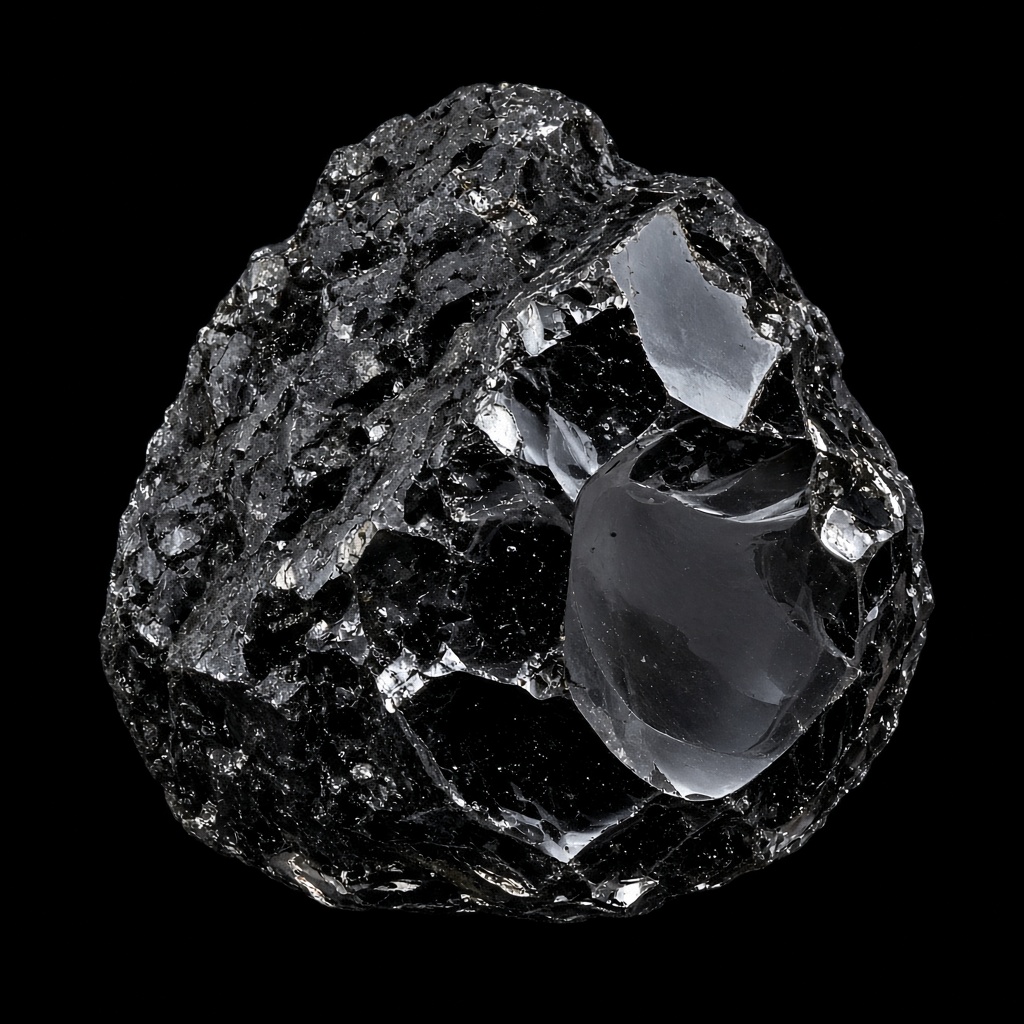
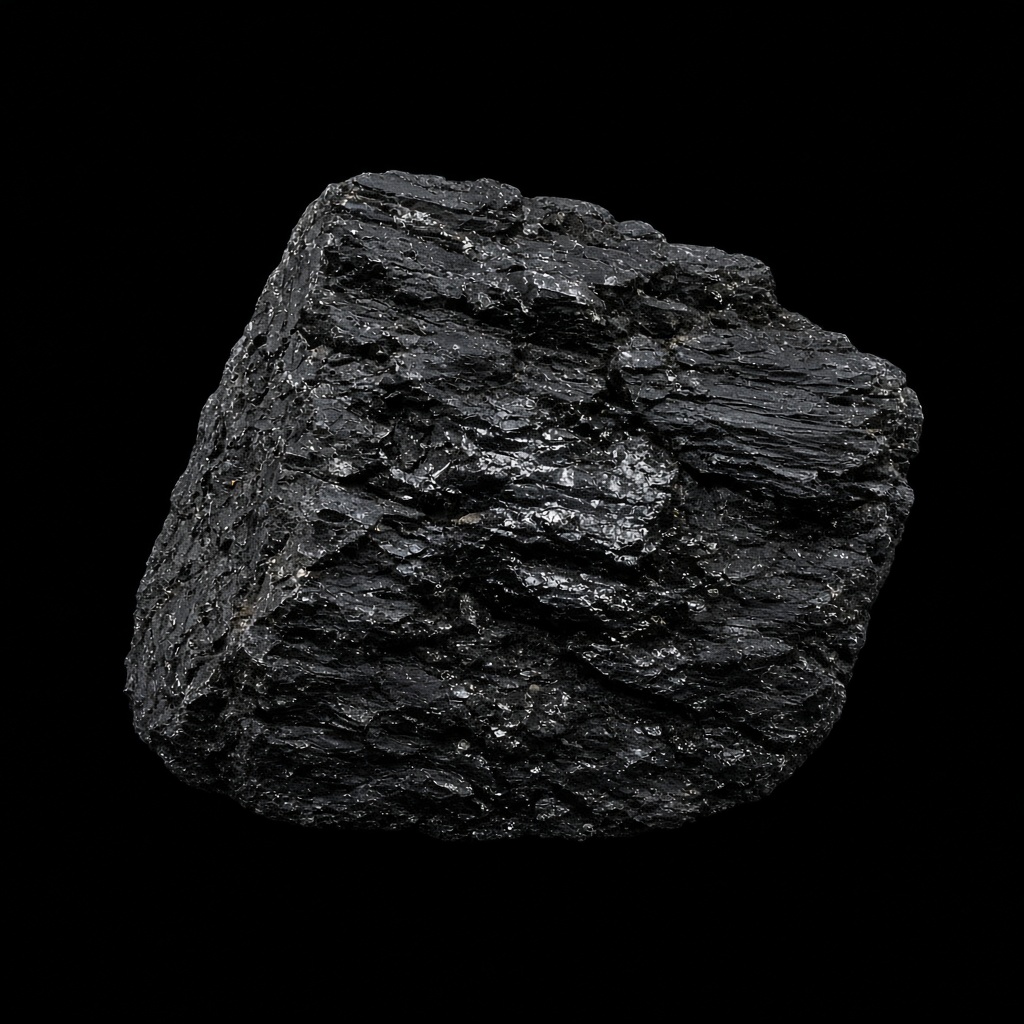
- Obsidian is the glassy end-member of rhyolitic melts
- Some rhyolites host gem topaz and red beryl
Value context: Limited as gem rock; mineralized cavities drive collector interest.
Rhyolite FAQ
How do you identify Rhyolite?
Rhyolite (Felsic extrusive rock) is typically recognized by pink, gray, tan color, dull to vitreous luster, Mohs hardness 6–7 (aggregate), and aphanitic/porphyritic crystal system. RockScan can suggest Rhyolite from a photo and surface these checks on the result card.
What is Rhyolite made of?
Rhyolite composition: Quartz + feldspar groundmass (granite chemistry). It forms via rapid cooling of high-silica lava/ash flows and is found in Continental volcanic fields worldwide.
Is Rhyolite valuable?
Limited as gem rock; mineralized cavities drive collector interest.