Crystal & mineral guide
Rhodochrosite
MnCO₃
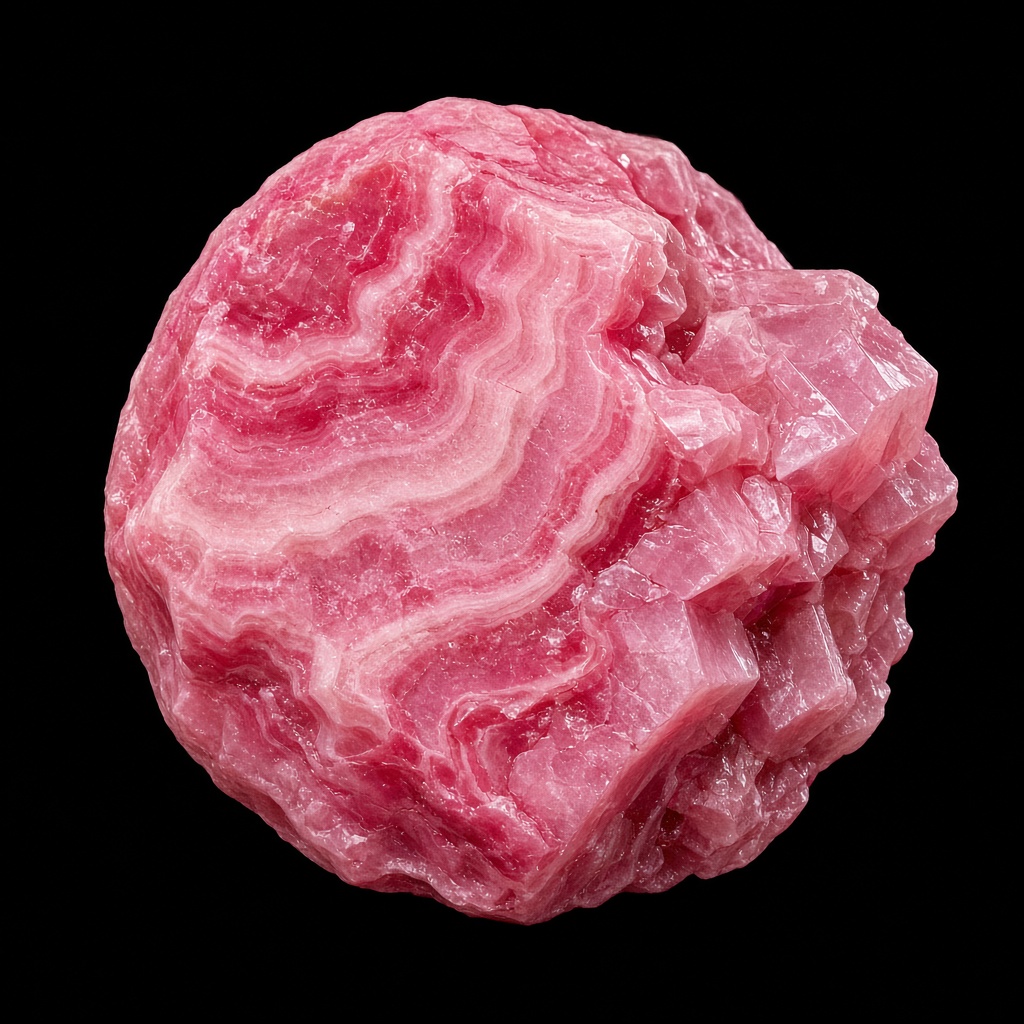
Banded rose-pink manganese carbonate — soft collector and cabochon stone.
Identify Rhodochrosite with RockScanAbout Rhodochrosite
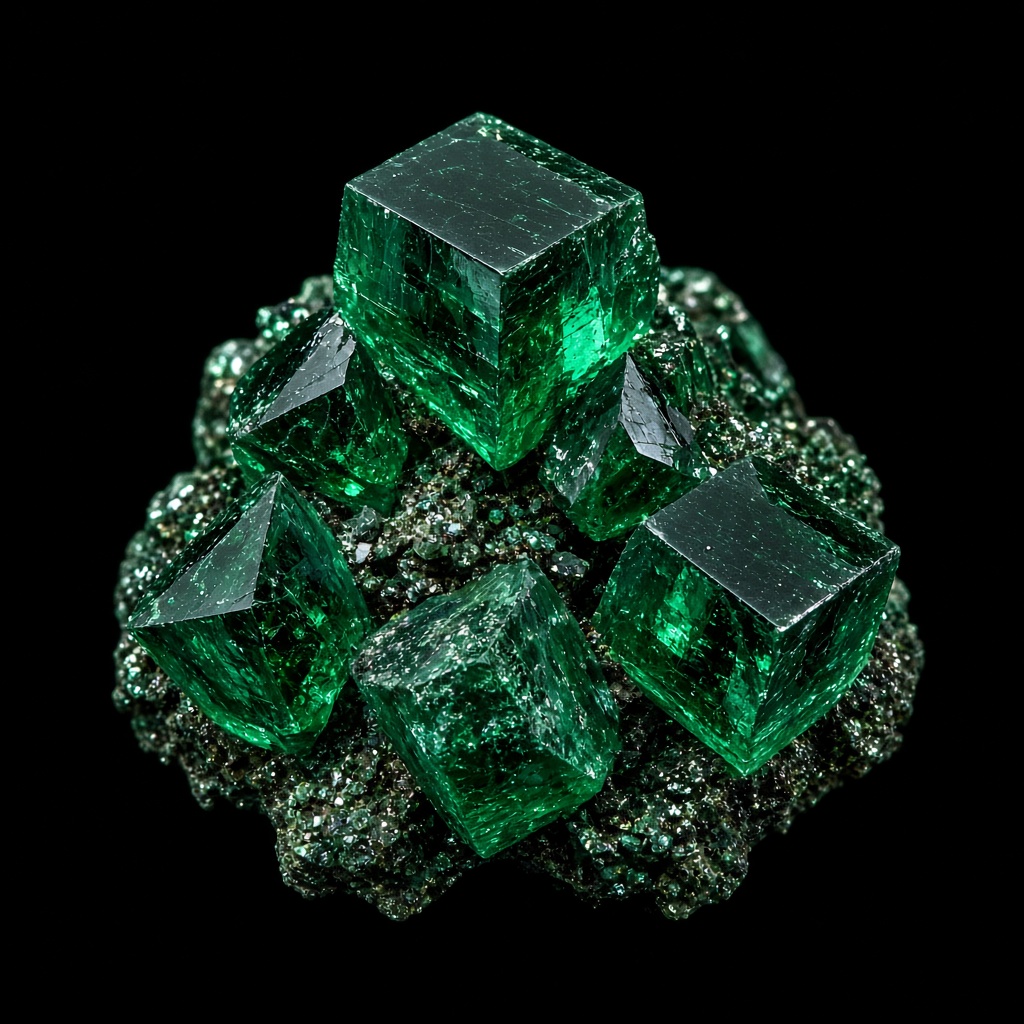
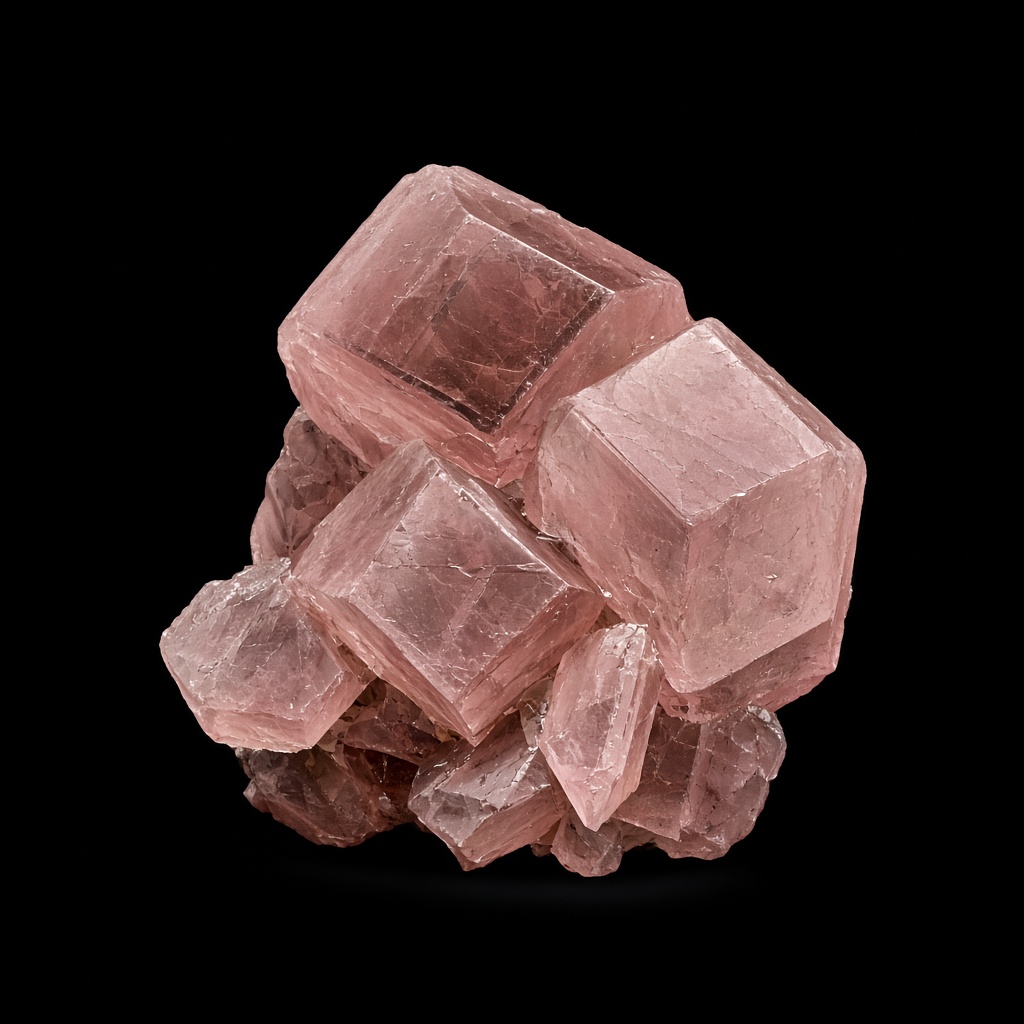
Rhodochrosite is known for pink banding (Argentina stalactitic material) and gemmy cherry-red crystals (Colorado Sweet Home). Soft and cleavable — ornamental use more than daily rings. Effervesces with acid.
Rhodochrosite belongs in a crystal identifier workflow because photo cues — color zoning, crystal habit, and surface luster — combine with measurable traits like Mohs 3.5–4 and specific gravity 3.5–3.7. Use RockScan’s camera to get a first-pass ID, then confirm with the checklist below.
Rhodochrosite properties
| Mohs hardness | 3.5–4 |
|---|---|
| Crystal system | Trigonal |
| Luster | Vitreous to pearly |
| Color | Rose-red to pink banding |
| Composition | Manganese carbonate |
| Formation | Hydrothermal veins and oxidation zones |
| Occurrence | Argentina, Colorado (USA), Peru, South Africa |
| Specific gravity | 3.5–3.7 |
| Cleavage | Perfect rhombohedral |
How to identify Rhodochrosite
- Rose banding or cherry-red crystals
- Perfect rhombohedral cleavage
- Acid reaction; SG ~3.6
Collector notes
- Argentina declared rhodochrosite a national stone
- Transparent faceted stones are uncommon and prized
Value context: Fine crystals and bold stalactite slices lead specimen pricing.
Rhodochrosite FAQ
How do you identify Rhodochrosite?
Rhodochrosite (MnCO₃) is typically recognized by rose-red to pink banding color, vitreous to pearly luster, Mohs hardness 3.5–4, and trigonal crystal system. RockScan can suggest Rhodochrosite from a photo and surface these checks on the result card.
What is Rhodochrosite made of?
Rhodochrosite composition: Manganese carbonate. It forms via hydrothermal veins and oxidation zones and is found in Argentina, Colorado (USA), Peru, South Africa.
Is Rhodochrosite valuable?
Fine crystals and bold stalactite slices lead specimen pricing.