Crystal & mineral guide
Dioptase
CuSiO₃·H₂O
Emerald-green copper silicate — fragile collector crystal classic.
Identify Dioptase with RockScanAbout Dioptase
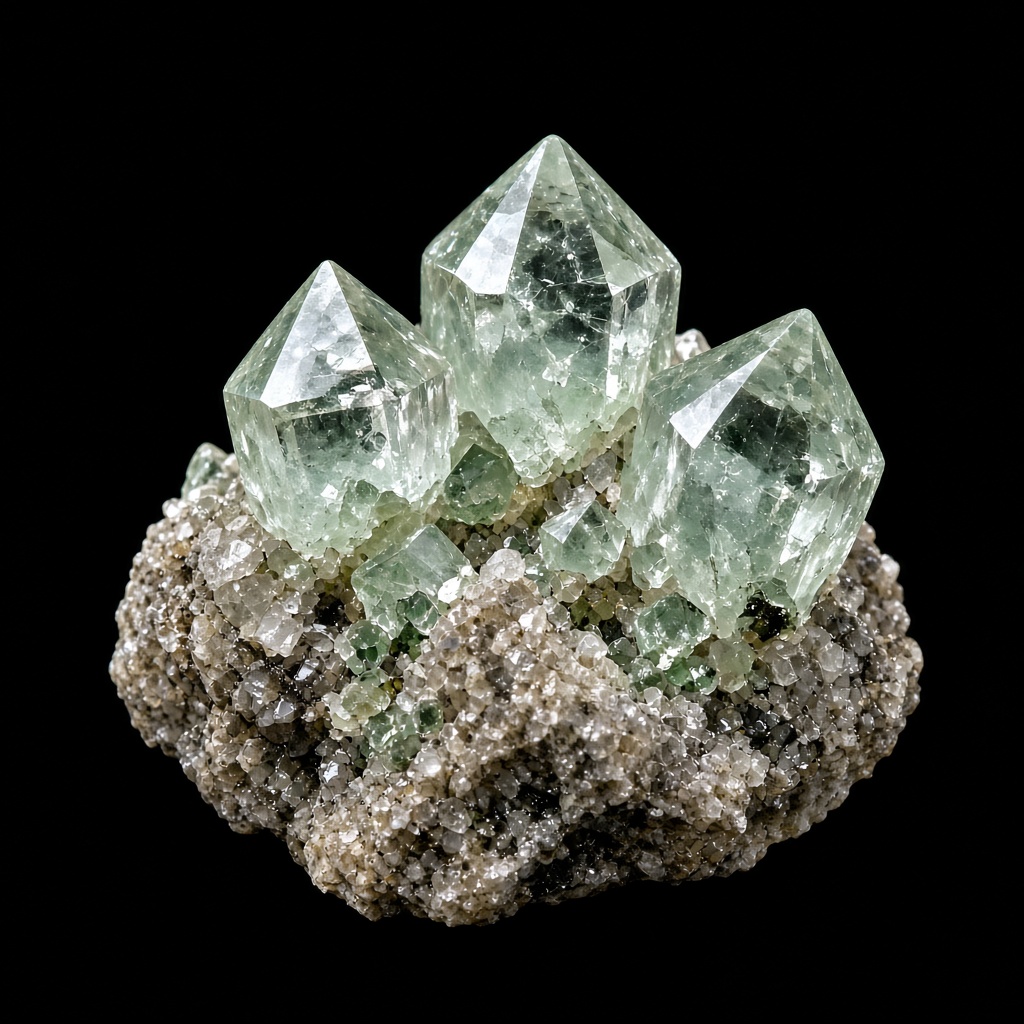
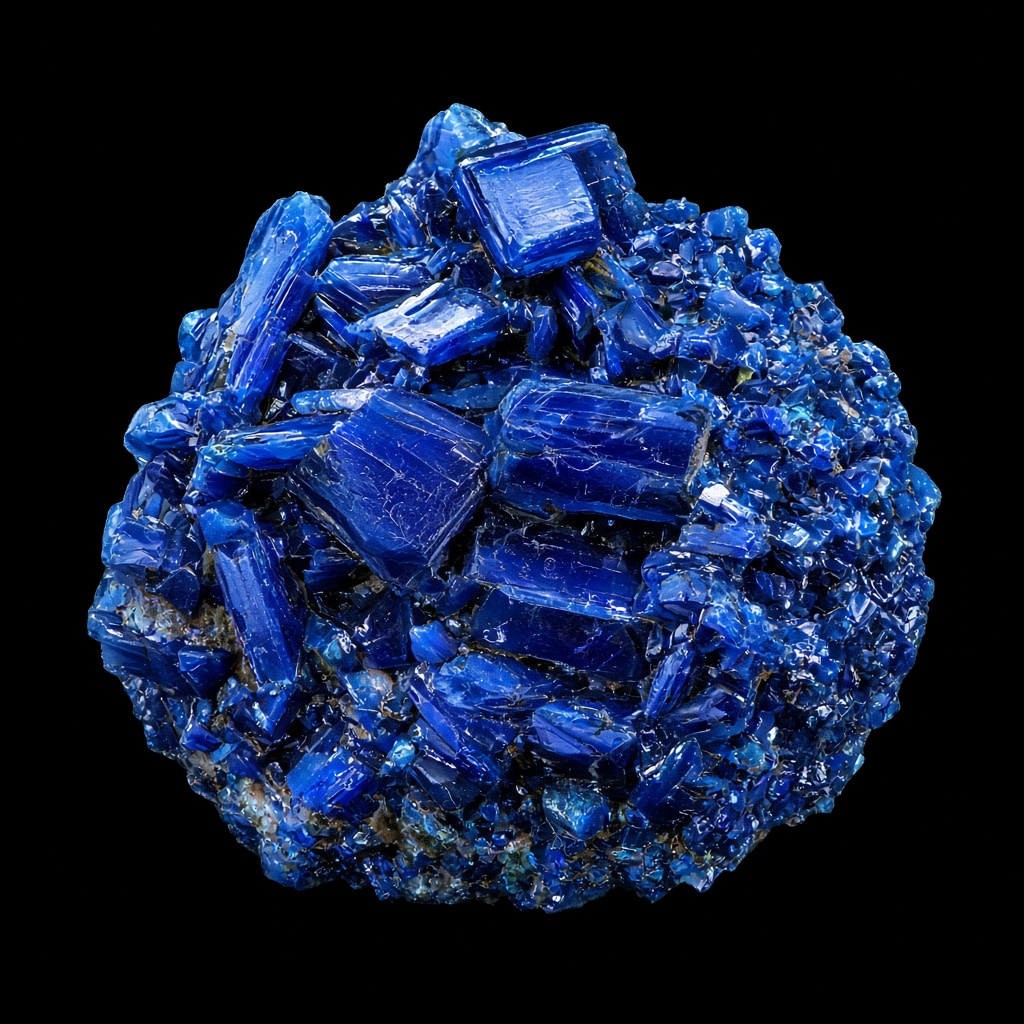
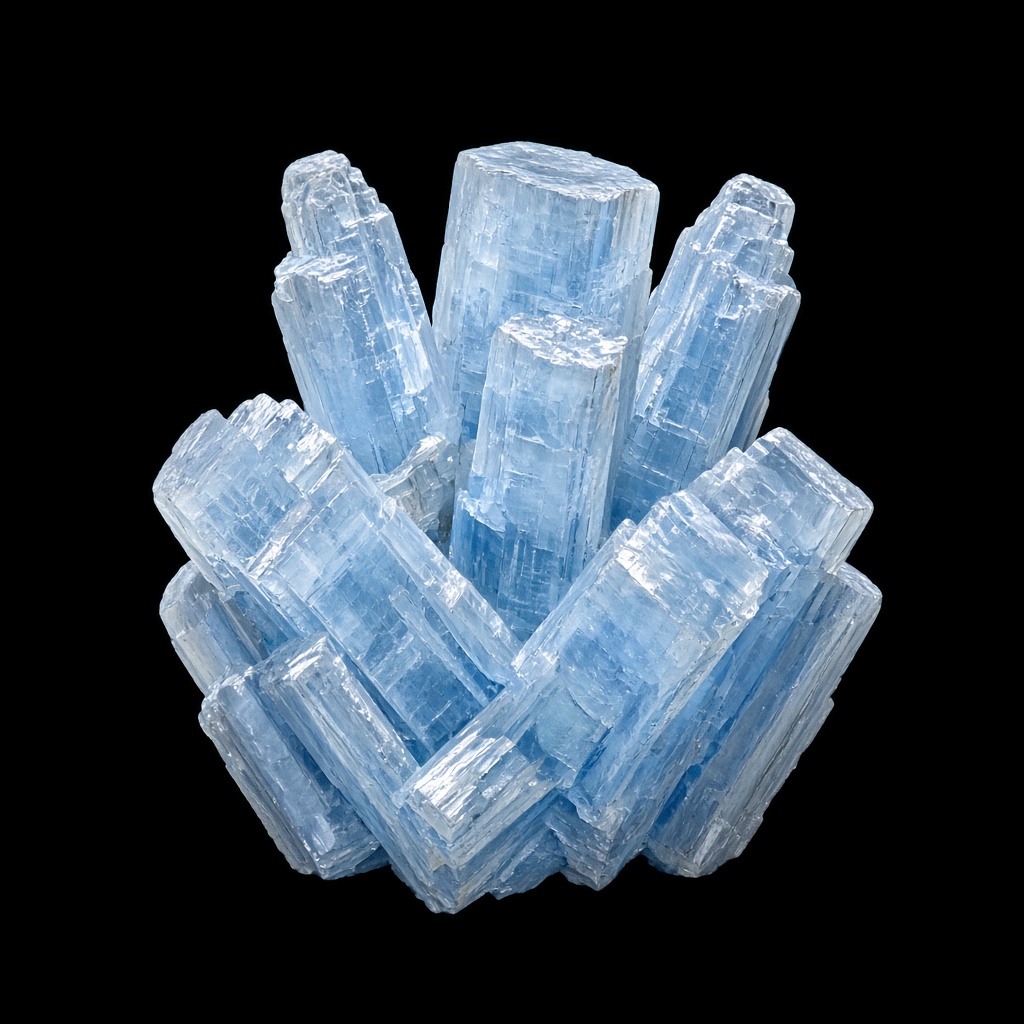
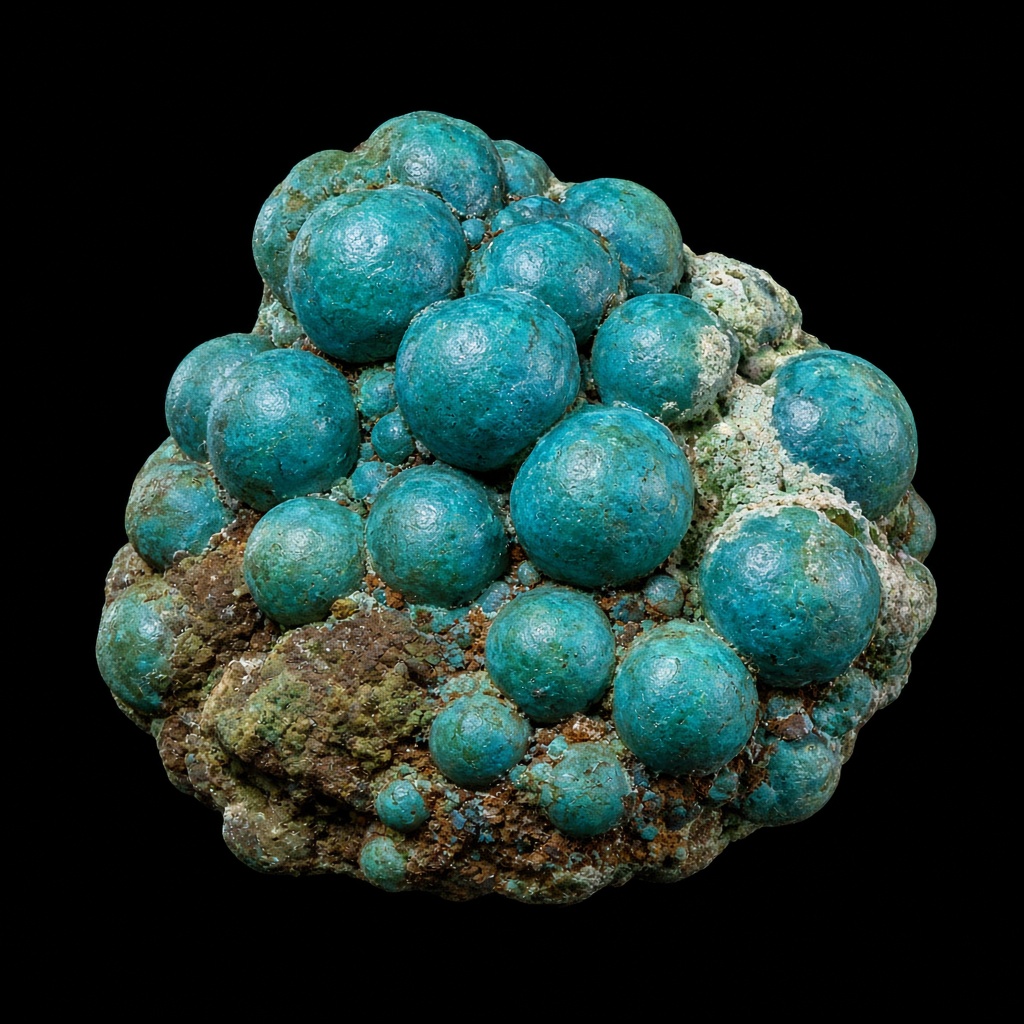
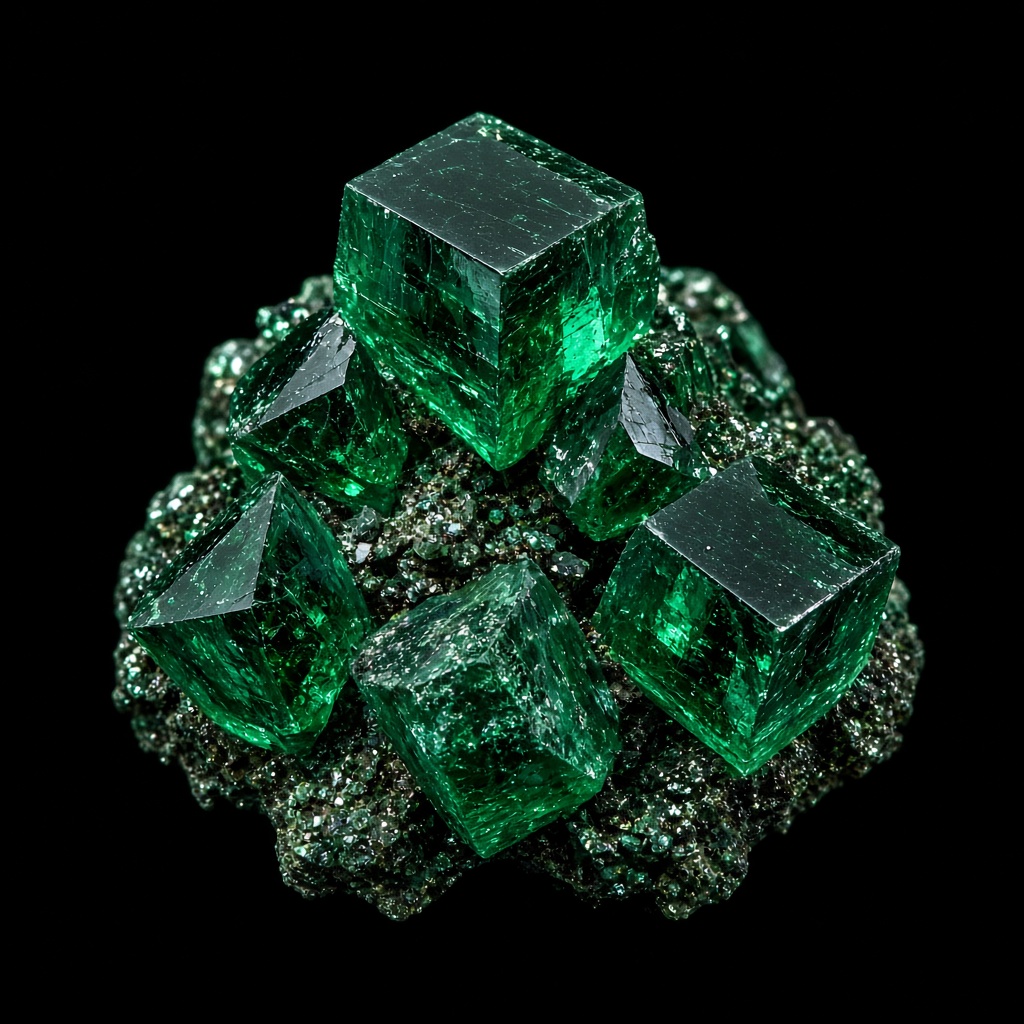
Dioptase rivals emerald's color but is softer with perfect cleavage — rarely used in jewelry. Tsumeb, Namibia set the specimen standard. Intense green rhombohedral crystals on matrix are unmistakable to collectors.
Dioptase belongs in a crystal identifier workflow because photo cues — color zoning, crystal habit, and surface luster — combine with measurable traits like Mohs 5 and specific gravity 3.28–3.35. Use RockScan’s camera to get a first-pass ID, then confirm with the checklist below.
Dioptase properties
| Mohs hardness | 5 |
|---|---|
| Crystal system | Trigonal |
| Luster | Vitreous |
| Color | Emerald to bluish green |
| Composition | Hydrated copper cyclosilicate |
| Formation | Oxidation zones of copper deposits |
| Occurrence | Namibia (Tsumeb), DRC, Kazakhstan, USA |
| Specific gravity | 3.28–3.35 |
| Cleavage | Perfect |
How to identify Dioptase
- Intense emerald-green crystals
- Perfect cleavage; hardness 5
- Copper oxide zone association
Collector notes
- Name refers to visible cleavage planes internally
- Tsumeb dioptase is among the world's most iconic mineral specimens
Value context: Sharp undamaged crystals on matrix bring strong specimen prices.
Dioptase FAQ
How do you identify Dioptase?
Dioptase (CuSiO₃·H₂O) is typically recognized by emerald to bluish green color, vitreous luster, Mohs hardness 5, and trigonal crystal system. RockScan can suggest Dioptase from a photo and surface these checks on the result card.
What is Dioptase made of?
Dioptase composition: Hydrated copper cyclosilicate. It forms via oxidation zones of copper deposits and is found in Namibia (Tsumeb), DRC, Kazakhstan, USA.
Is Dioptase valuable?
Sharp undamaged crystals on matrix bring strong specimen prices.