Crystal & mineral guide
Apophyllite
(K,Na)Ca₄Si₈O₂₀(F,OH)·8H₂O
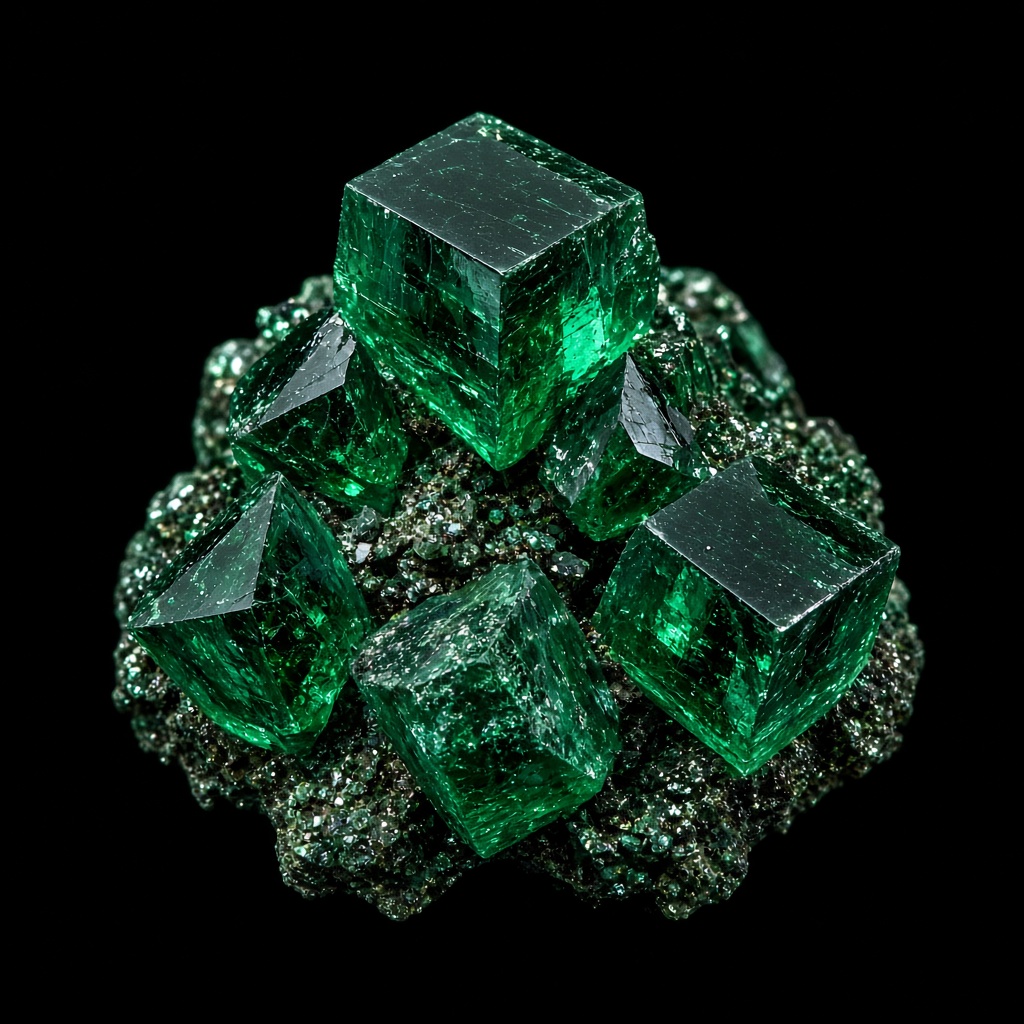
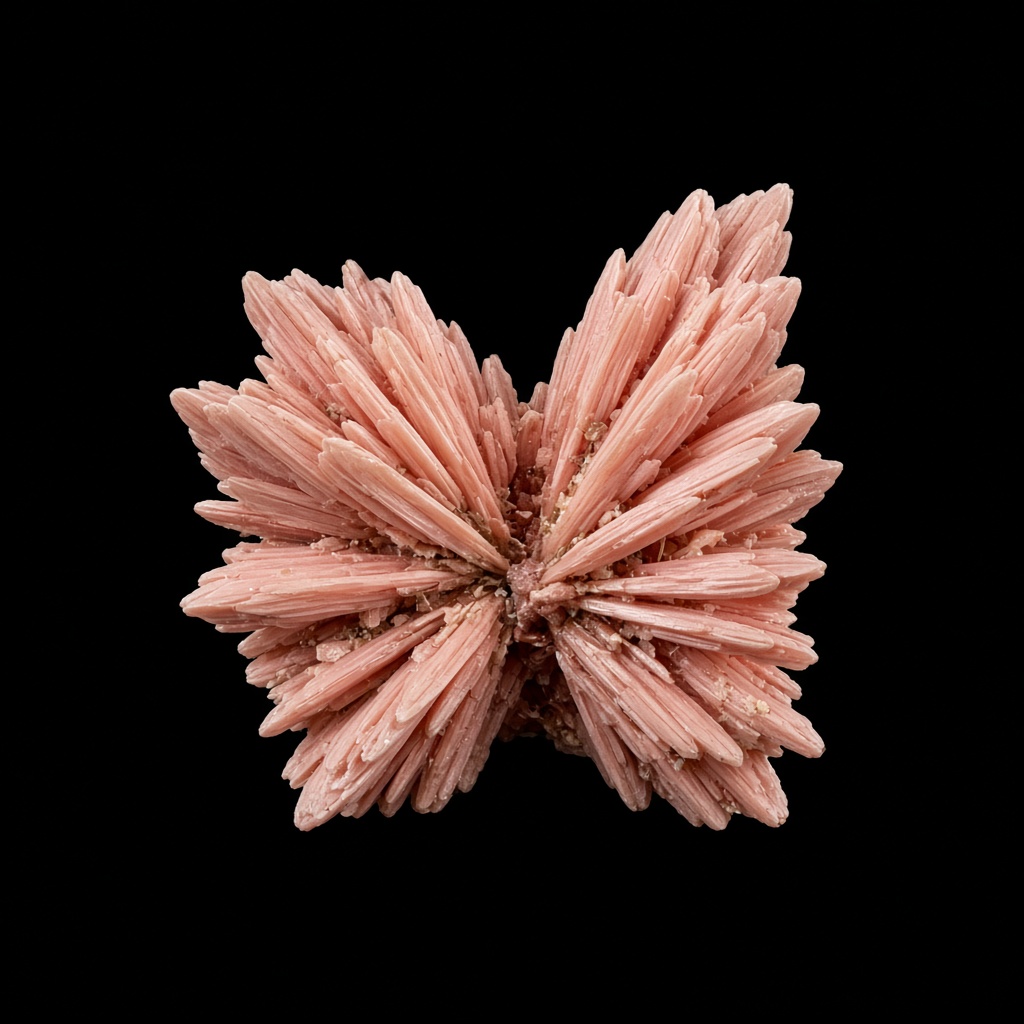
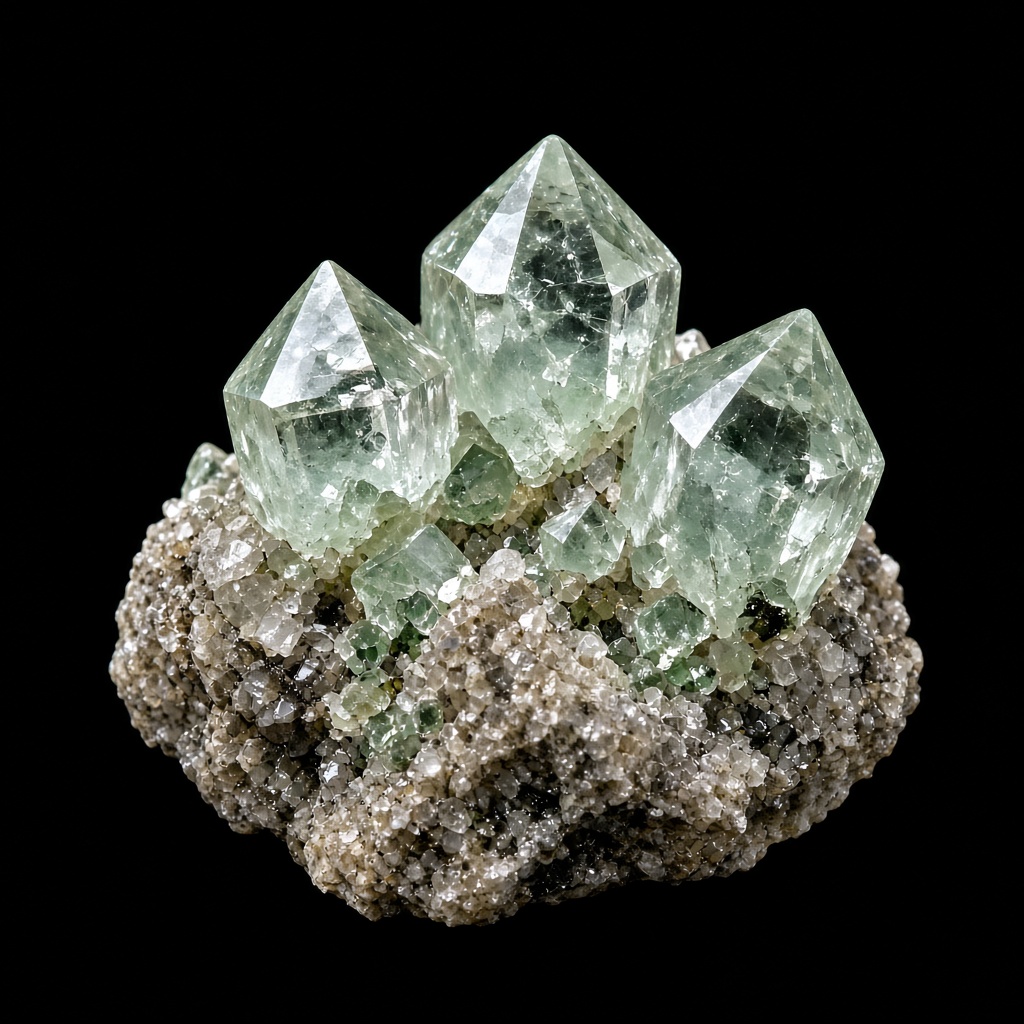
Blocky pearly crystals from basalt geodes — Deccan trap classic.
Identify Apophyllite with RockScanAbout Apophyllite
Apophyllite forms blocky tetragonal crystals with pearly basal cleavage, often with stilbite in Indian basalt cavities. Green and pink varieties are popular. Perfect cleavage and moderate hardness. Major specimen export from Maharashtra.
Apophyllite belongs in a crystal identifier workflow because photo cues — color zoning, crystal habit, and surface luster — combine with measurable traits like Mohs 4.5–5 and specific gravity 2.3–2.4. Use RockScan’s camera to get a first-pass ID, then confirm with the checklist below.
Apophyllite properties
| Mohs hardness | 4.5–5 |
|---|---|
| Crystal system | Tetragonal |
| Luster | Vitreous to pearly |
| Color | Colorless, green, pink |
| Composition | Hydrated potassium calcium silicate fluoride |
| Formation | Basalt cavities with zeolites |
| Occurrence | India (Deccan traps), Brazil, Iceland, USA |
| Specific gravity | 2.3–2.4 |
| Cleavage | Perfect basal |
How to identify Apophyllite
- Blocky crystals with pearly cleavage face
- Often with stilbite/heulandite
- Perfect basal cleavage
Collector notes
- Indian Deccan traps supply most commercial specimens
- Name means 'leaf apart' for cleavage behavior
Value context: Green transparent crystals and aesthetic zeolite combinations price best.
Apophyllite FAQ
How do you identify Apophyllite?
Apophyllite ((K,Na)Ca₄Si₈O₂₀(F,OH)·8H₂O) is typically recognized by colorless, green, pink color, vitreous to pearly luster, Mohs hardness 4.5–5, and tetragonal crystal system. RockScan can suggest Apophyllite from a photo and surface these checks on the result card.
What is Apophyllite made of?
Apophyllite composition: Hydrated potassium calcium silicate fluoride. It forms via basalt cavities with zeolites and is found in India (Deccan traps), Brazil, Iceland, USA.
Is Apophyllite valuable?
Green transparent crystals and aesthetic zeolite combinations price best.