Crystal & mineral guide
Celestine
SrSO₄
Sky-blue strontium sulfate — industrial Sr source and geode favorite.
Identify Celestine with RockScanAbout Celestine
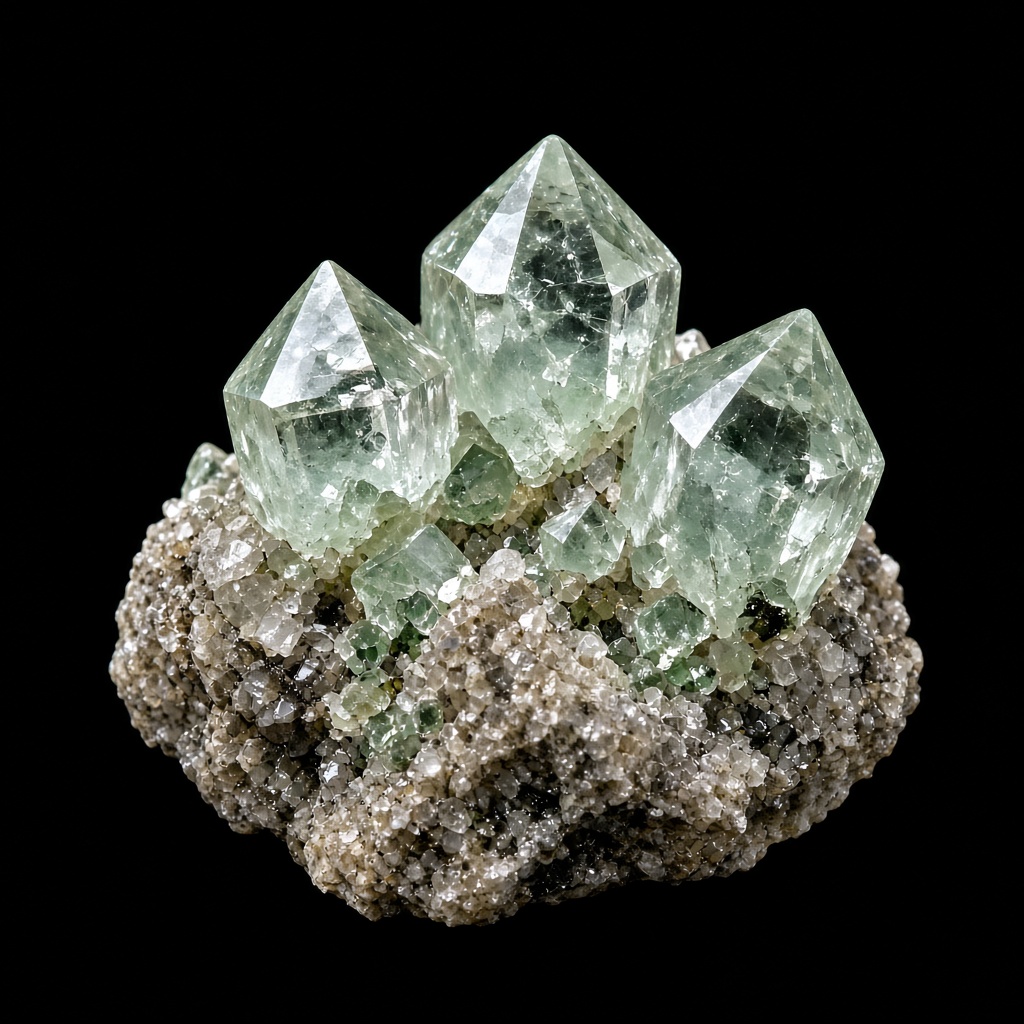
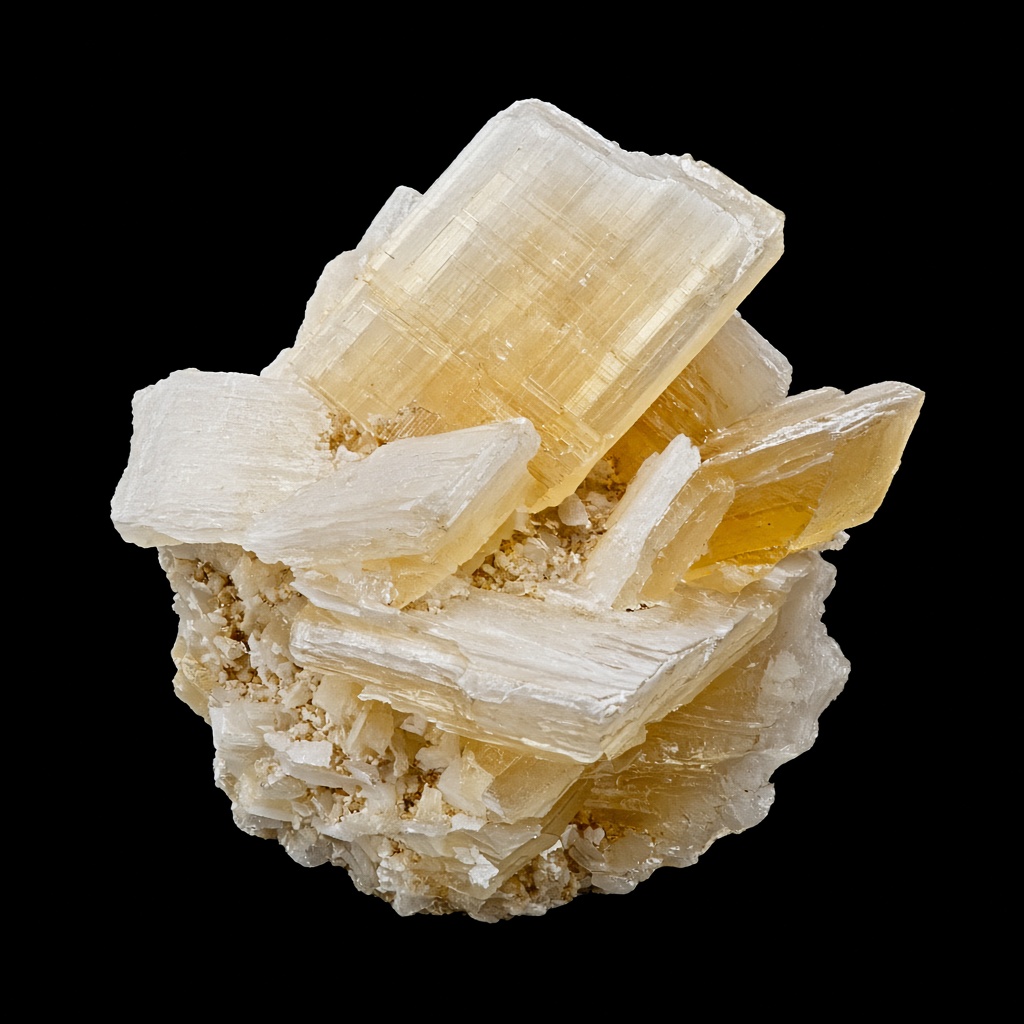
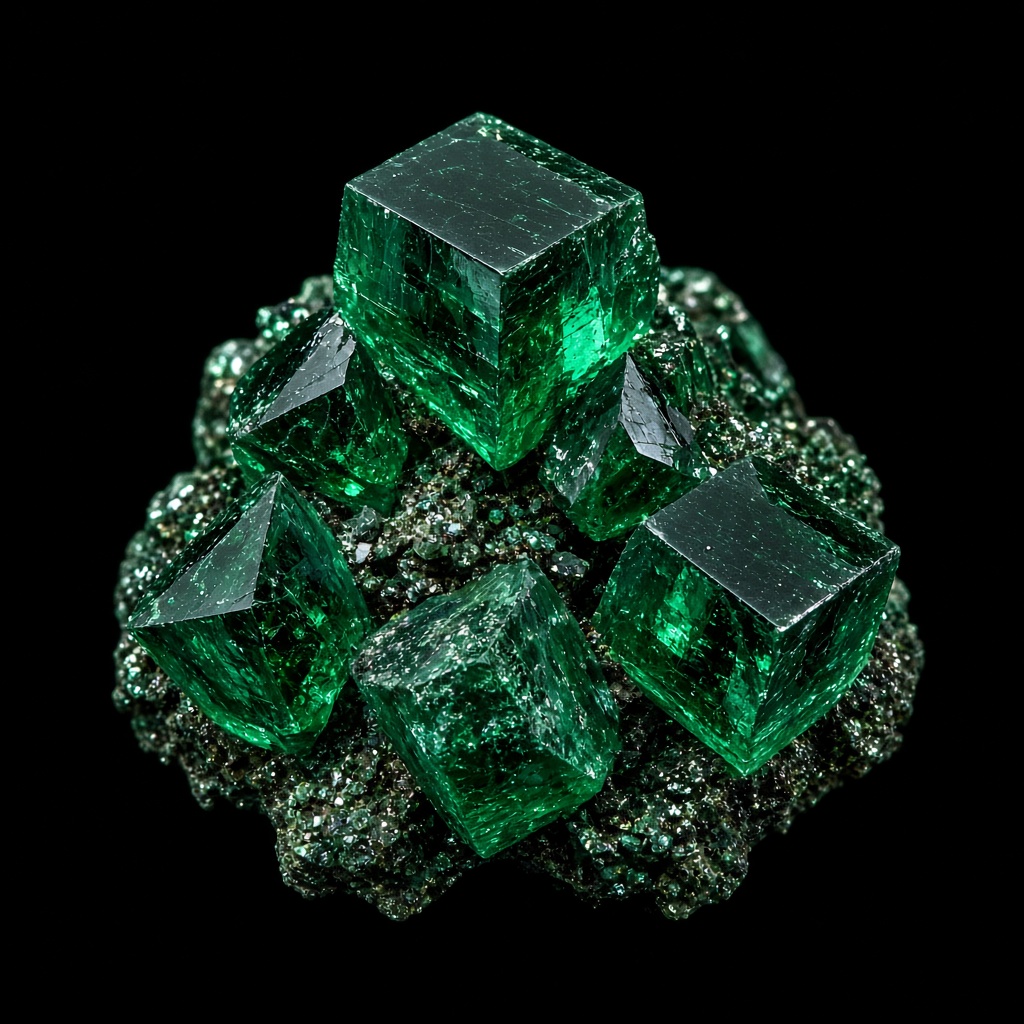
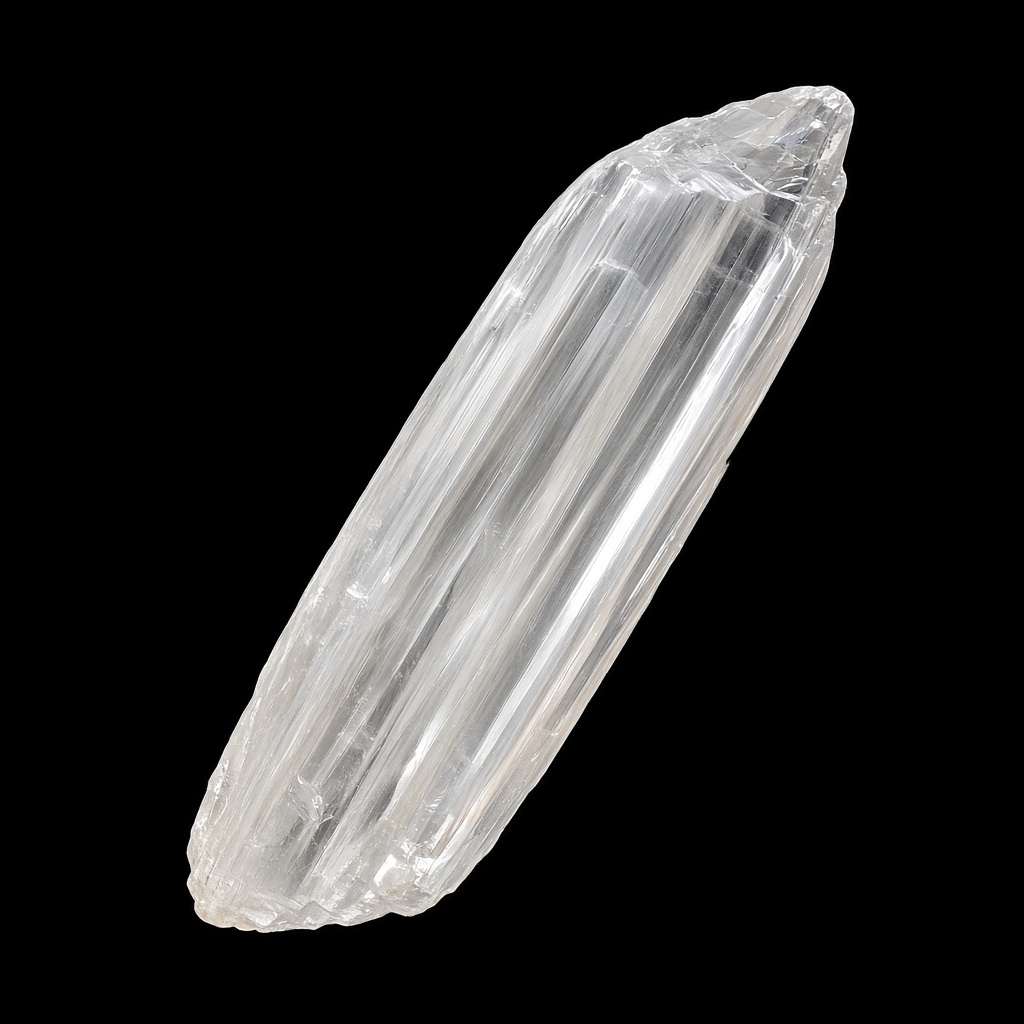
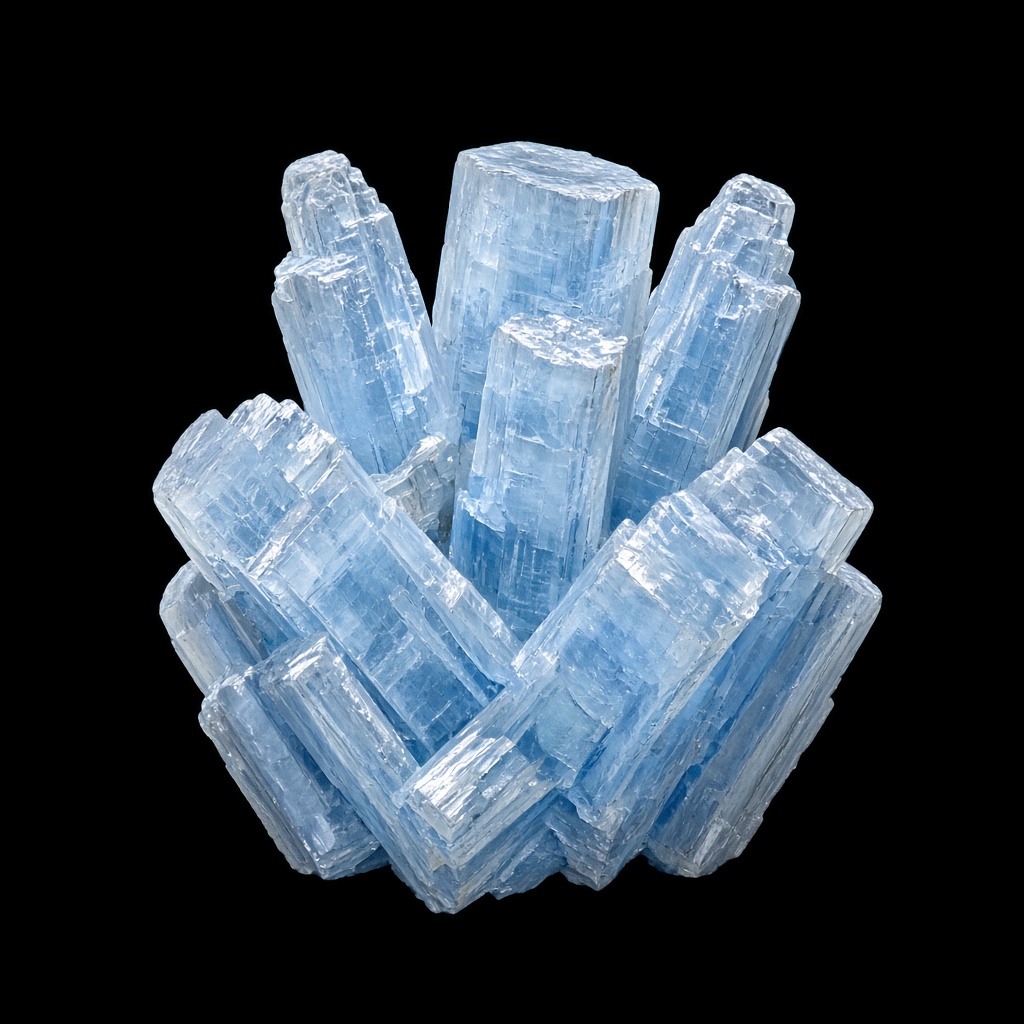
Celestine (celestite) forms delicate sky-blue crystals, famously in Madagascan geodes. Primary ore of strontium for fireworks and specialty glass. Soft cleavage requires gentle handling. Name from Latin 'caelestis' — heavenly.
Celestine belongs in a crystal identifier workflow because photo cues — color zoning, crystal habit, and surface luster — combine with measurable traits like Mohs 3–3.5 and specific gravity 3.95–3.97. Use RockScan’s camera to get a first-pass ID, then confirm with the checklist below.
Celestine properties
| Mohs hardness | 3–3.5 |
|---|---|
| Crystal system | Orthorhombic |
| Luster | Vitreous to pearly |
| Color | Sky blue to colorless |
| Composition | Strontium sulfate |
| Formation | Sedimentary cavities and hydrothermal veins |
| Occurrence | Madagascar, USA, Poland, UK |
| Specific gravity | 3.95–3.97 |
| Cleavage | Perfect |
How to identify Celestine
- Sky-blue orthorhombic crystals
- High SG ~3.96 for a pale mineral
- Perfect cleavage; soft
Collector notes
- Madagascar geodes supply much of the specimen market
- Strontium salts give red fireworks color
Value context: Fine blue crystals and complete geodes price best.
Celestine FAQ
How do you identify Celestine?
Celestine (SrSO₄) is typically recognized by sky blue to colorless color, vitreous to pearly luster, Mohs hardness 3–3.5, and orthorhombic crystal system. RockScan can suggest Celestine from a photo and surface these checks on the result card.
What is Celestine made of?
Celestine composition: Strontium sulfate. It forms via sedimentary cavities and hydrothermal veins and is found in Madagascar, USA, Poland, UK.
Is Celestine valuable?
Fine blue crystals and complete geodes price best.