Crystal & mineral guide
Pumice
Vesicular felsic volcanic glass/rock
Ultralight vesicular volcanic rock — can float on water.
Identify Pumice with RockScanAbout Pumice
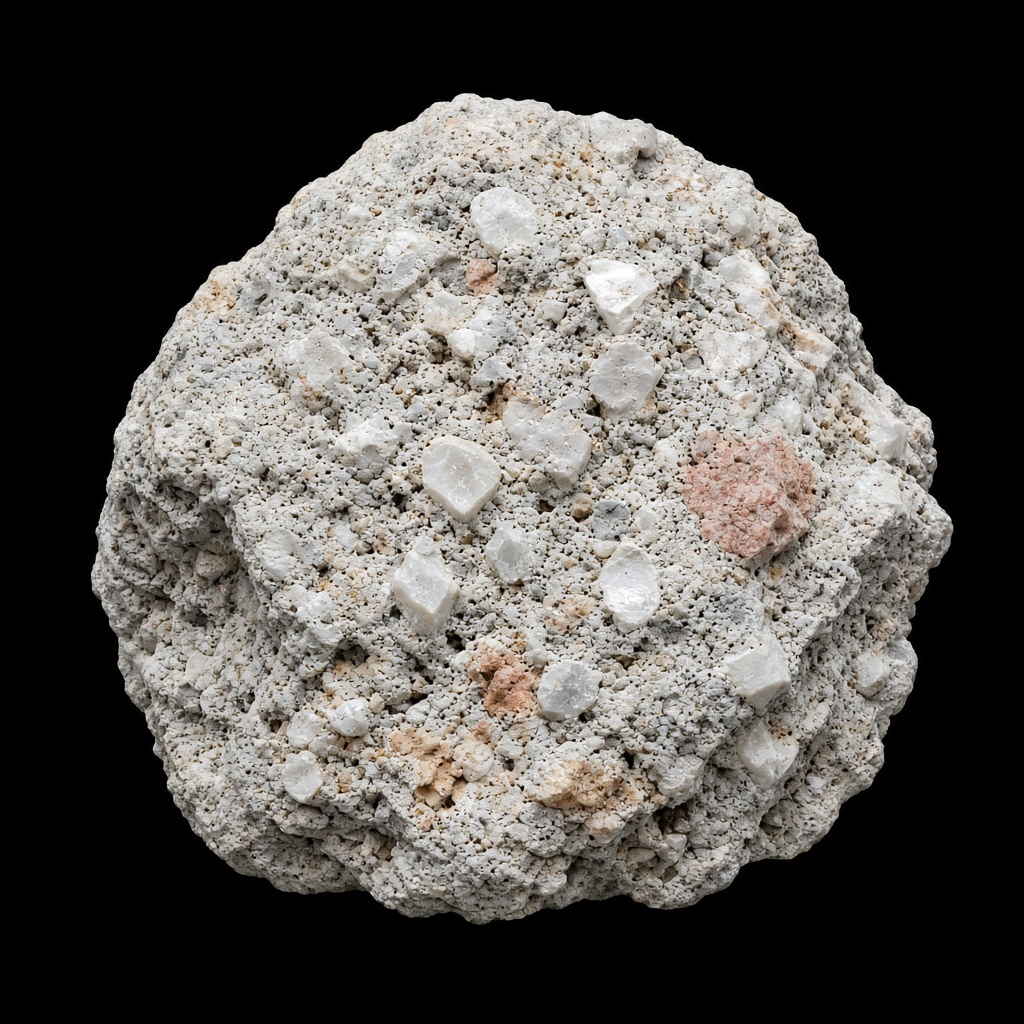
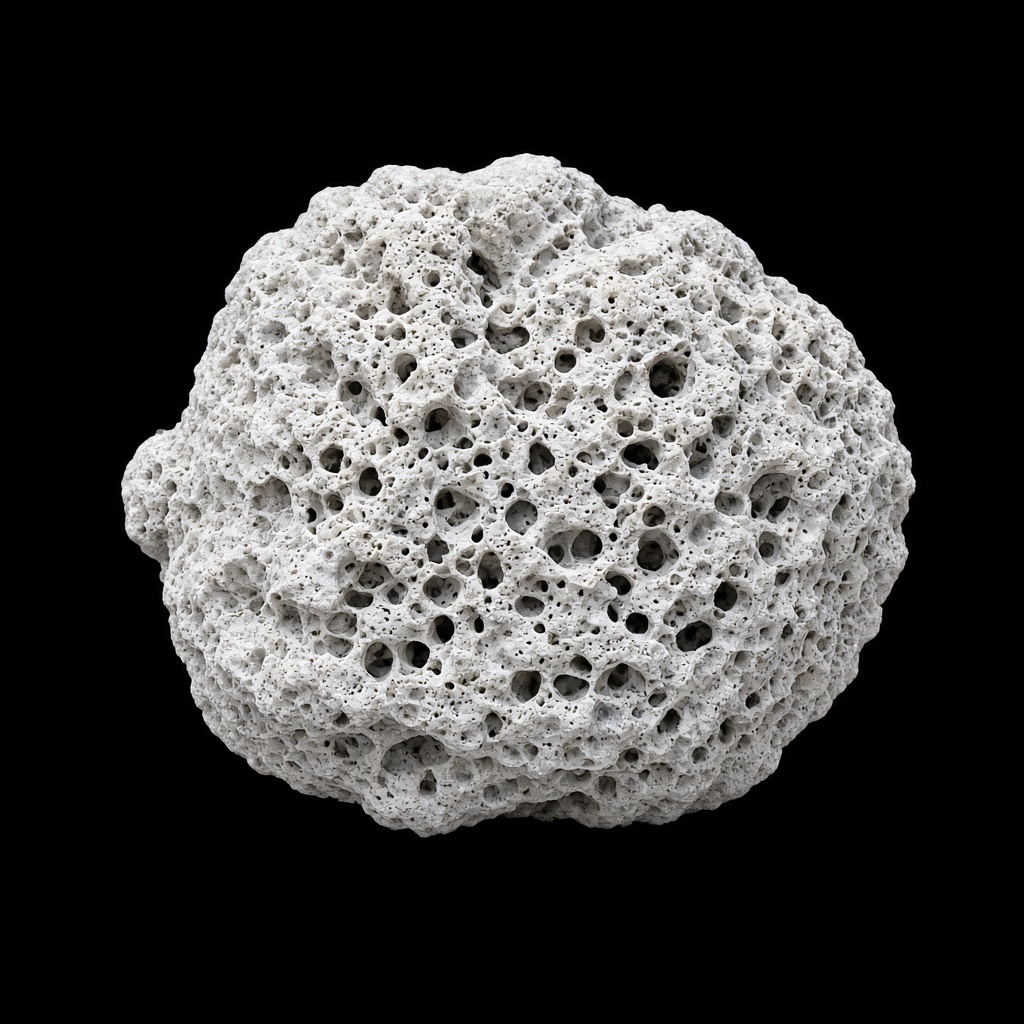
Pumice is frothy volcanic glass so full of vesicles it often floats. Used as abrasive and lightweight aggregate. Contrasts with denser scoria (mafic). Field ID is immediate by weight and texture.
Pumice belongs in a crystal identifier workflow because photo cues — color zoning, crystal habit, and surface luster — combine with measurable traits like Mohs 5–6 (aggregate) and specific gravity <1–1.5 (often floats). Use RockScan’s camera to get a first-pass ID, then confirm with the checklist below.
Pumice properties
| Mohs hardness | 5–6 (aggregate) |
|---|---|
| Crystal system | Amorphous/vesicular |
| Luster | Dull vitreous |
| Color | White to light gray |
| Composition | Highly vesicular silica-rich volcanic glass |
| Formation | Explosive felsic eruptions trapping gas bubbles |
| Occurrence | Italy, Greece, USA, Indonesia, New Zealand |
| Specific gravity | <1–1.5 (often floats) |
| Cleavage | None |
How to identify Pumice
- Extremely light; may float
- Highly vesicular pale rock
- Abrasive feel
Collector notes
- Large pumice rafts can drift across oceans after eruptions
- Used since antiquity as a skin and wood abrasive
Value context: Industrial abrasive/lightweight aggregate; novelty floating specimens.
Pumice FAQ
How do you identify Pumice?
Pumice (Vesicular felsic volcanic glass/rock) is typically recognized by white to light gray color, dull vitreous luster, Mohs hardness 5–6 (aggregate), and amorphous/vesicular crystal system. RockScan can suggest Pumice from a photo and surface these checks on the result card.
What is Pumice made of?
Pumice composition: Highly vesicular silica-rich volcanic glass. It forms via explosive felsic eruptions trapping gas bubbles and is found in Italy, Greece, USA, Indonesia, New Zealand.
Is Pumice valuable?
Industrial abrasive/lightweight aggregate; novelty floating specimens.