Crystal & mineral guide
Kaolinite
Al₂Si₂O₅(OH)₄
Primary china-clay mineral — ceramics, paper, and industrial filler.
Identify Kaolinite with RockScanAbout Kaolinite
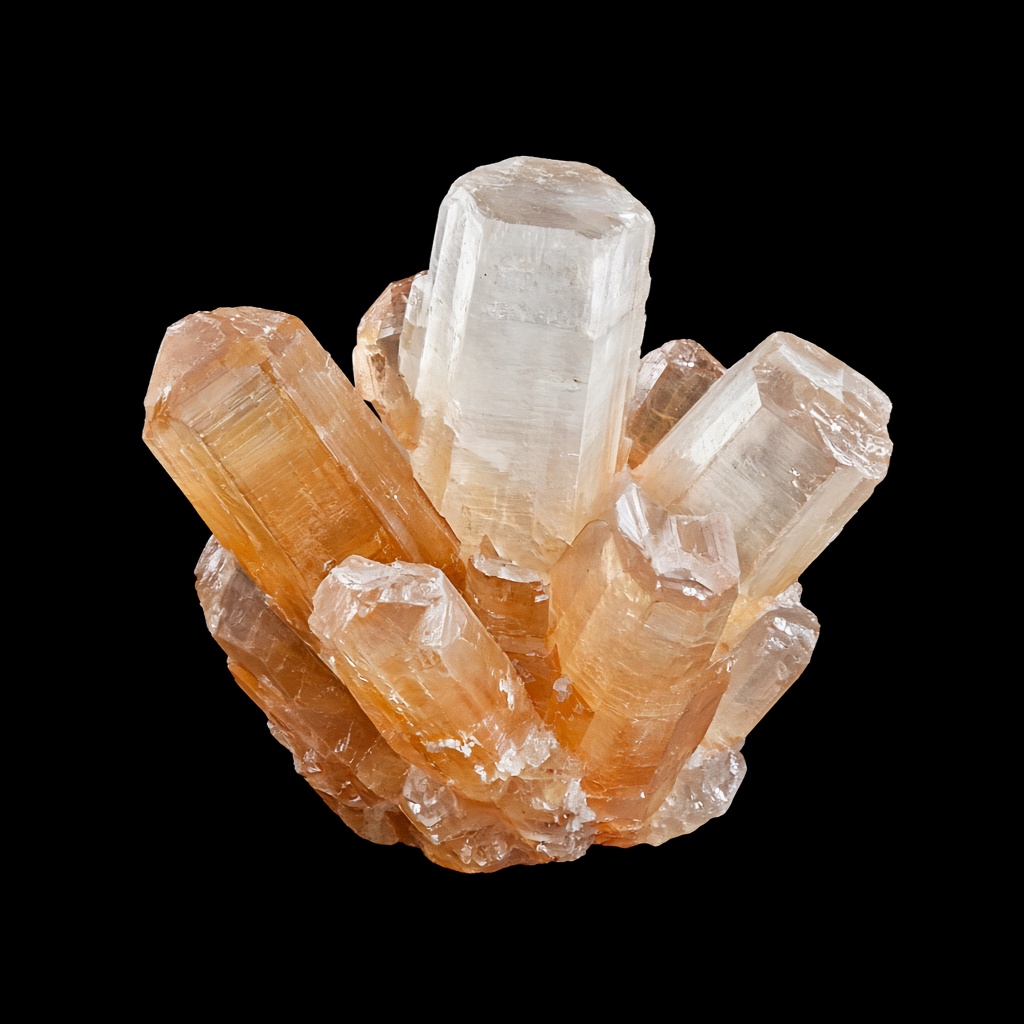
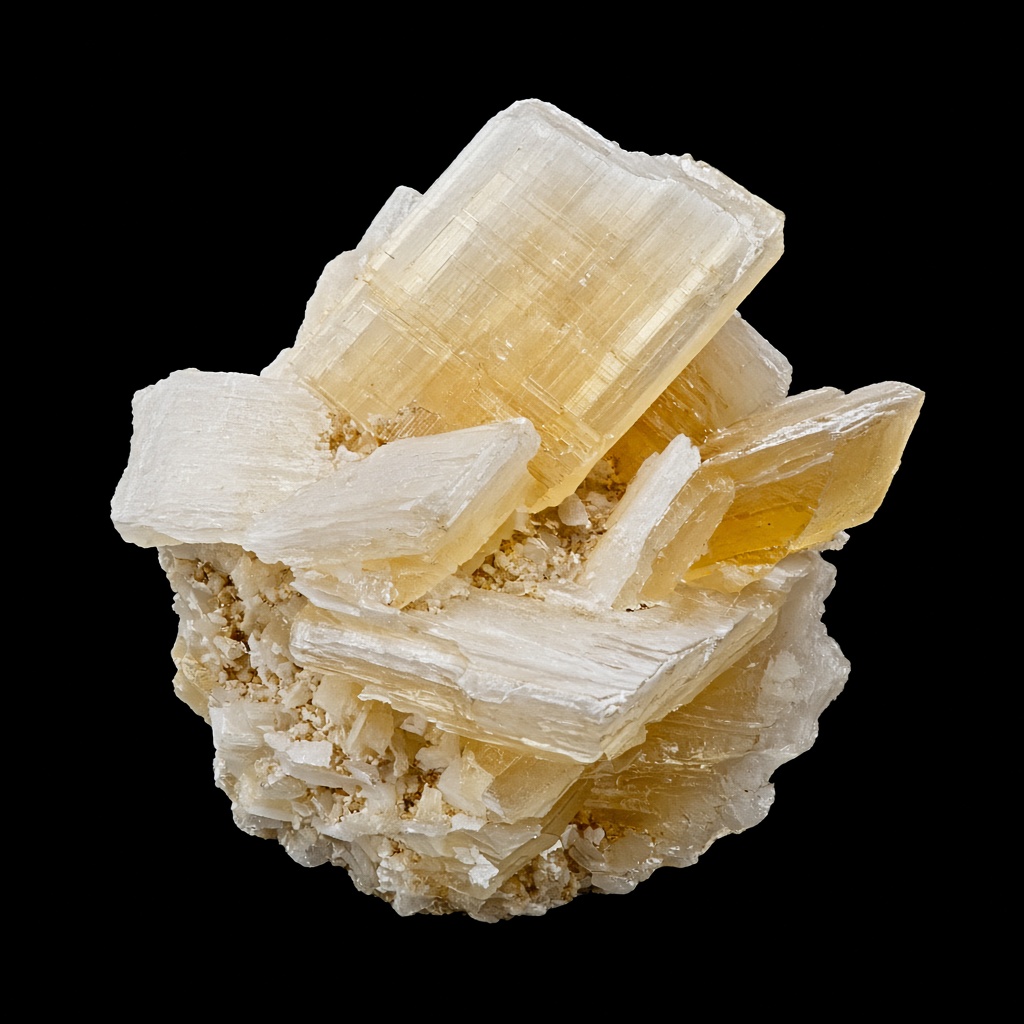
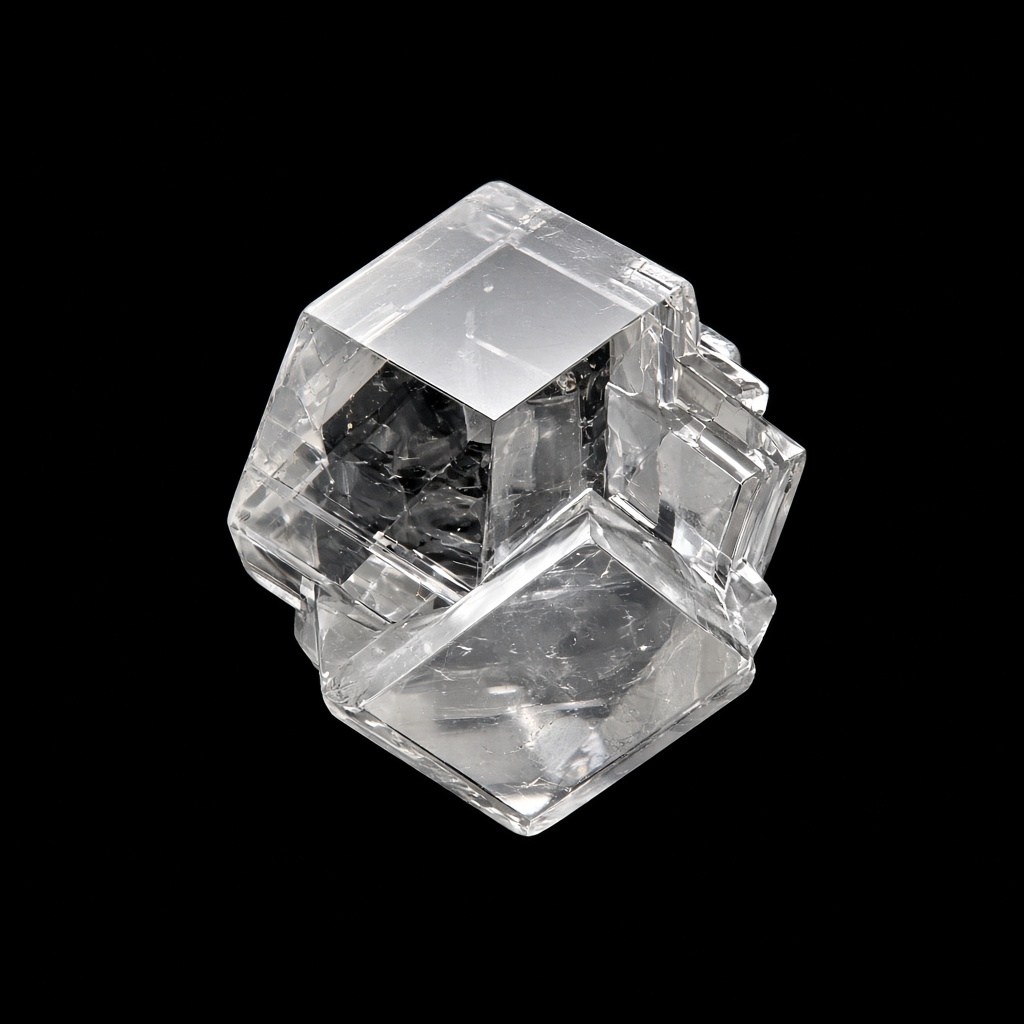
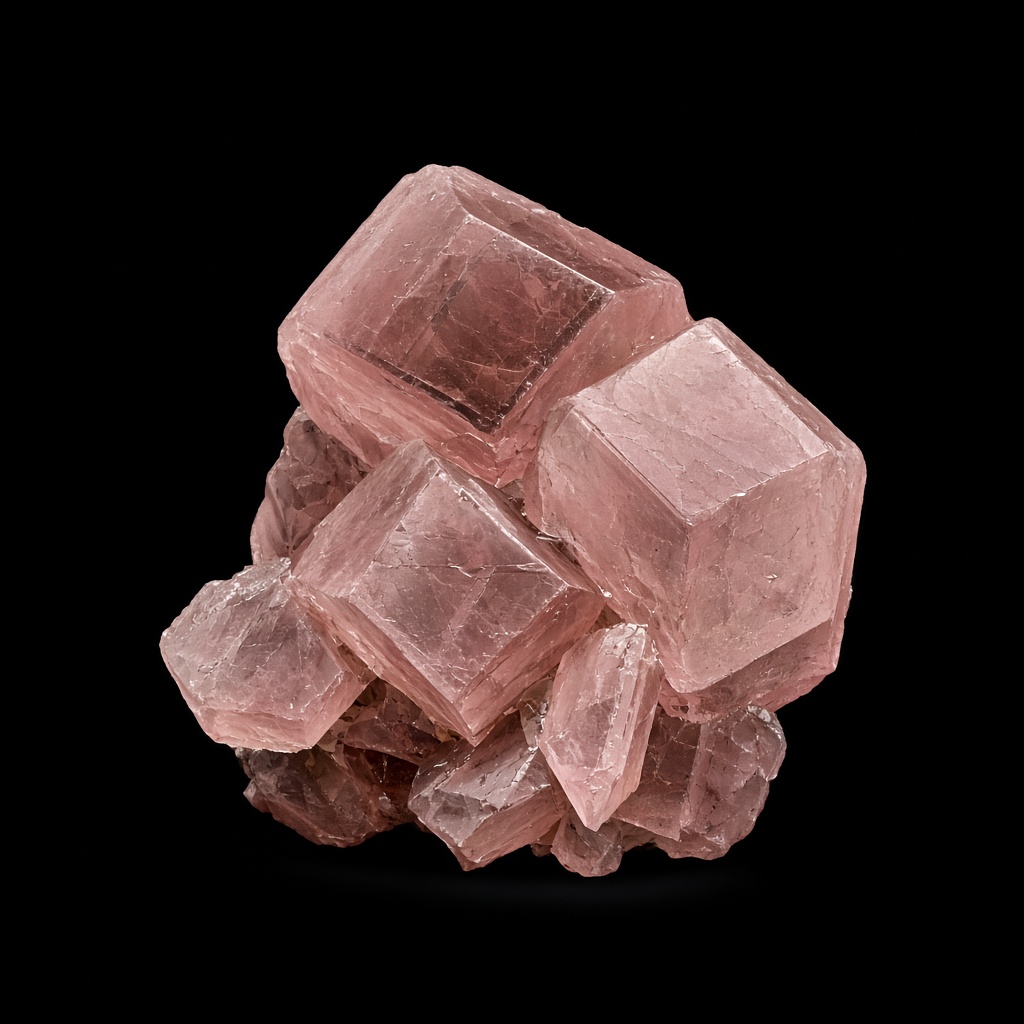
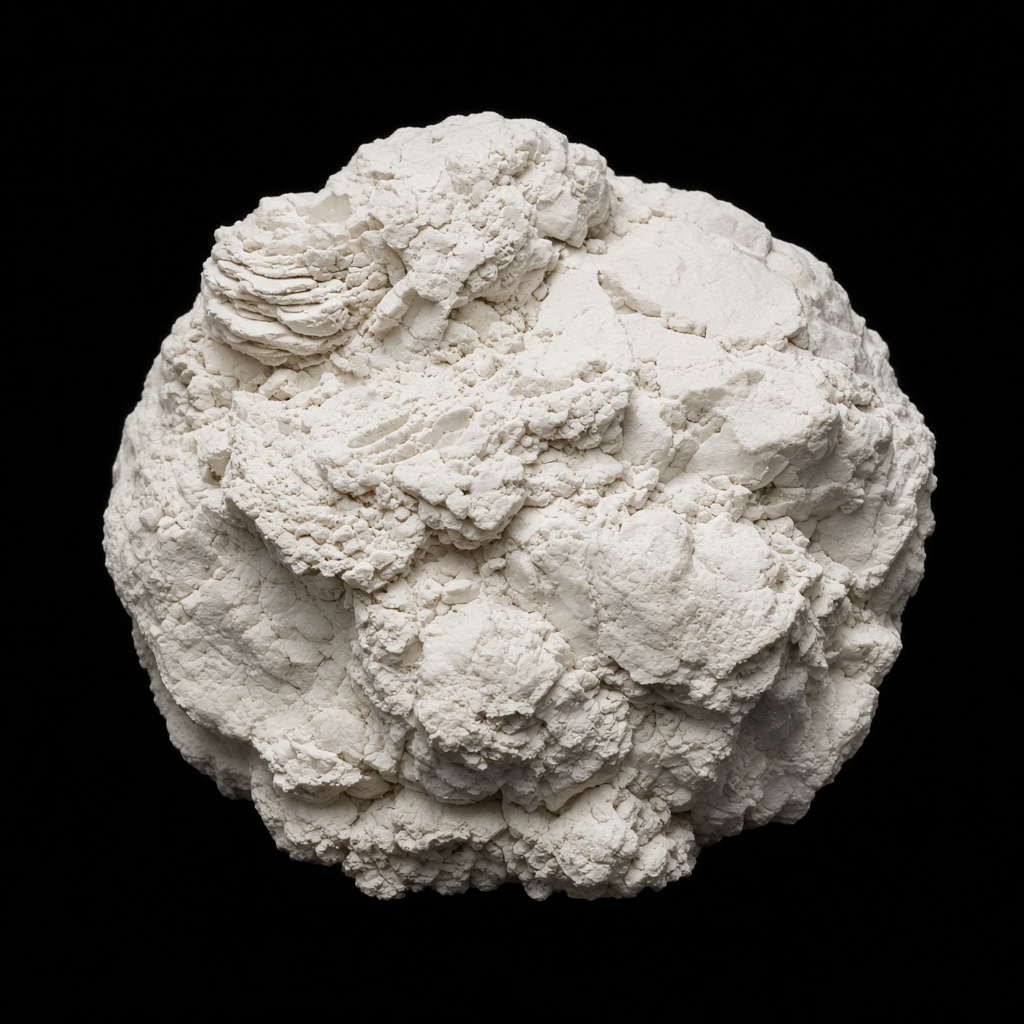
Kaolinite is a soft white clay mineral from feldspar weathering. Essential for porcelain (china clay), paper coating, and fillers. Earthy masses lack visible crystals in hand sample. Distinguishes from chalk by silicate chemistry and lack of strong acid fizz.
Kaolinite belongs in a crystal identifier workflow because photo cues — color zoning, crystal habit, and surface luster — combine with measurable traits like Mohs 2–2.5 and specific gravity 2.16–2.68. Use RockScan’s camera to get a first-pass ID, then confirm with the checklist below.
Kaolinite properties
| Mohs hardness | 2–2.5 |
|---|---|
| Crystal system | Triclinic |
| Luster | Earthy to dull |
| Color | White to cream |
| Composition | Aluminum phyllosilicate clay |
| Formation | Weathering of feldspar-rich rocks |
| Occurrence | China, USA, UK (Cornwall), Brazil |
| Specific gravity | 2.16–2.68 |
| Cleavage | Perfect basal (micro) |
How to identify Kaolinite
- Soft white earthy masses
- Plastic when wet; earthy odor
- Minimal acid reaction vs chalk/calcite
Collector notes
- Name from Gaoling ('high ridge') hill in China
- Enabled European porcelain industry after Chinese trade
Value context: Industrial grades by brightness, plasticity, and purity.
Kaolinite FAQ
How do you identify Kaolinite?
Kaolinite (Al₂Si₂O₅(OH)₄) is typically recognized by white to cream color, earthy to dull luster, Mohs hardness 2–2.5, and triclinic crystal system. RockScan can suggest Kaolinite from a photo and surface these checks on the result card.
What is Kaolinite made of?
Kaolinite composition: Aluminum phyllosilicate clay. It forms via weathering of feldspar-rich rocks and is found in China, USA, UK (Cornwall), Brazil.
Is Kaolinite valuable?
Industrial grades by brightness, plasticity, and purity.