Crystal & mineral guide
Halite
NaCl
Rock salt — cubic cleavage, salty taste, evaporite industrial staple.
Identify Halite with RockScanAbout Halite
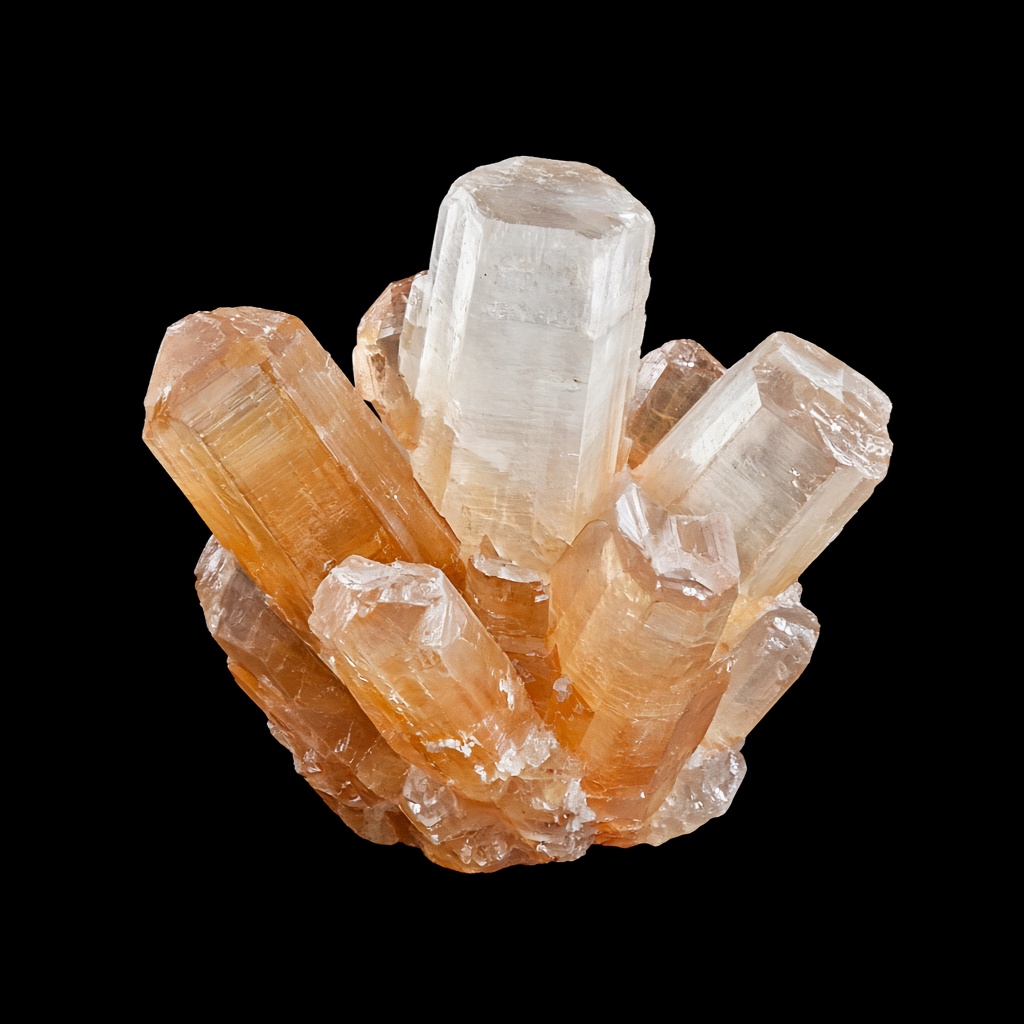
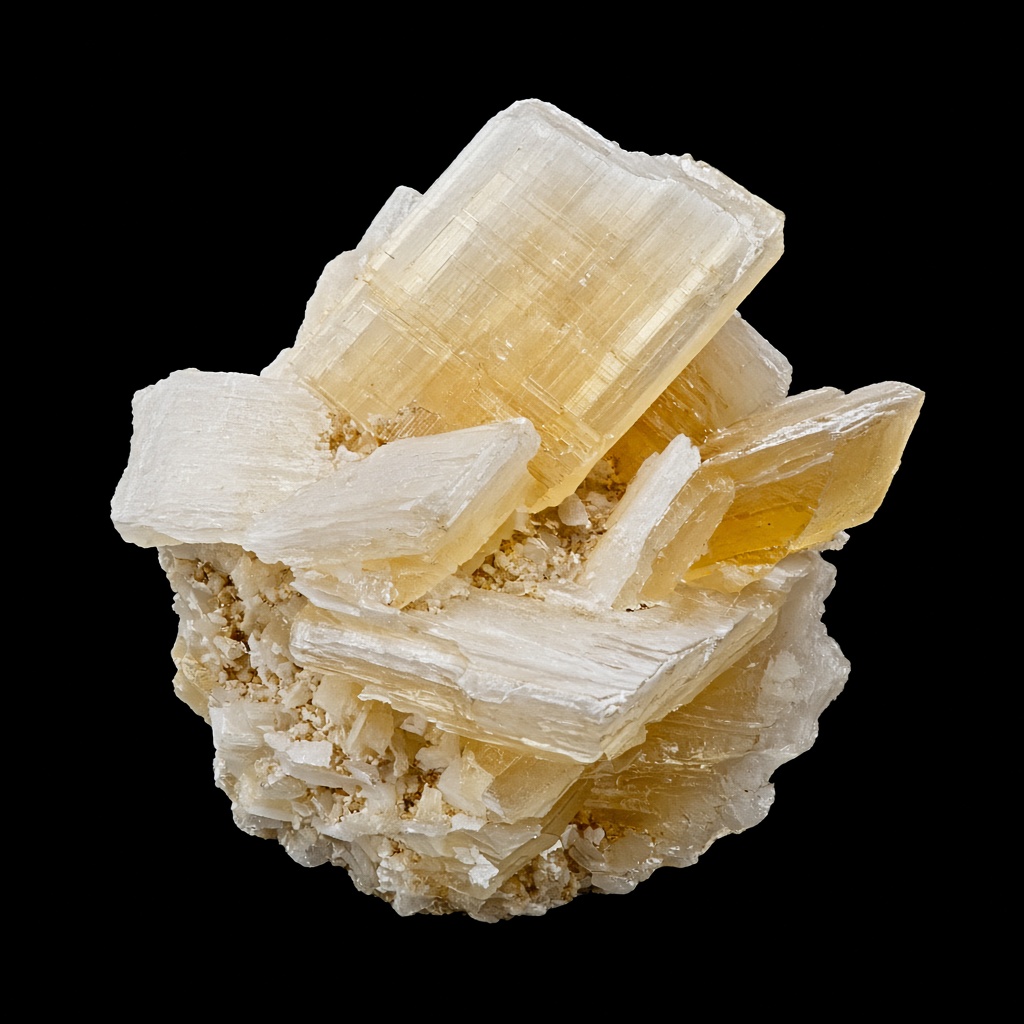
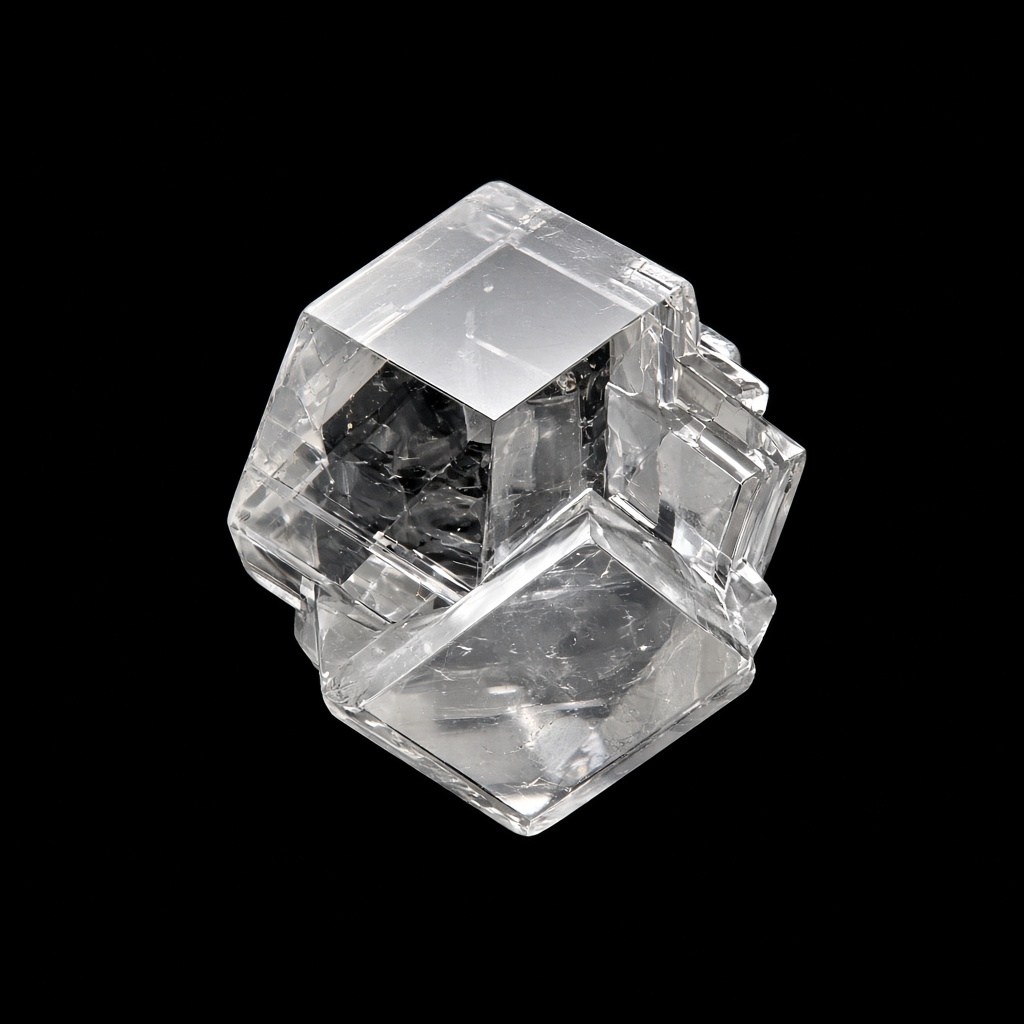
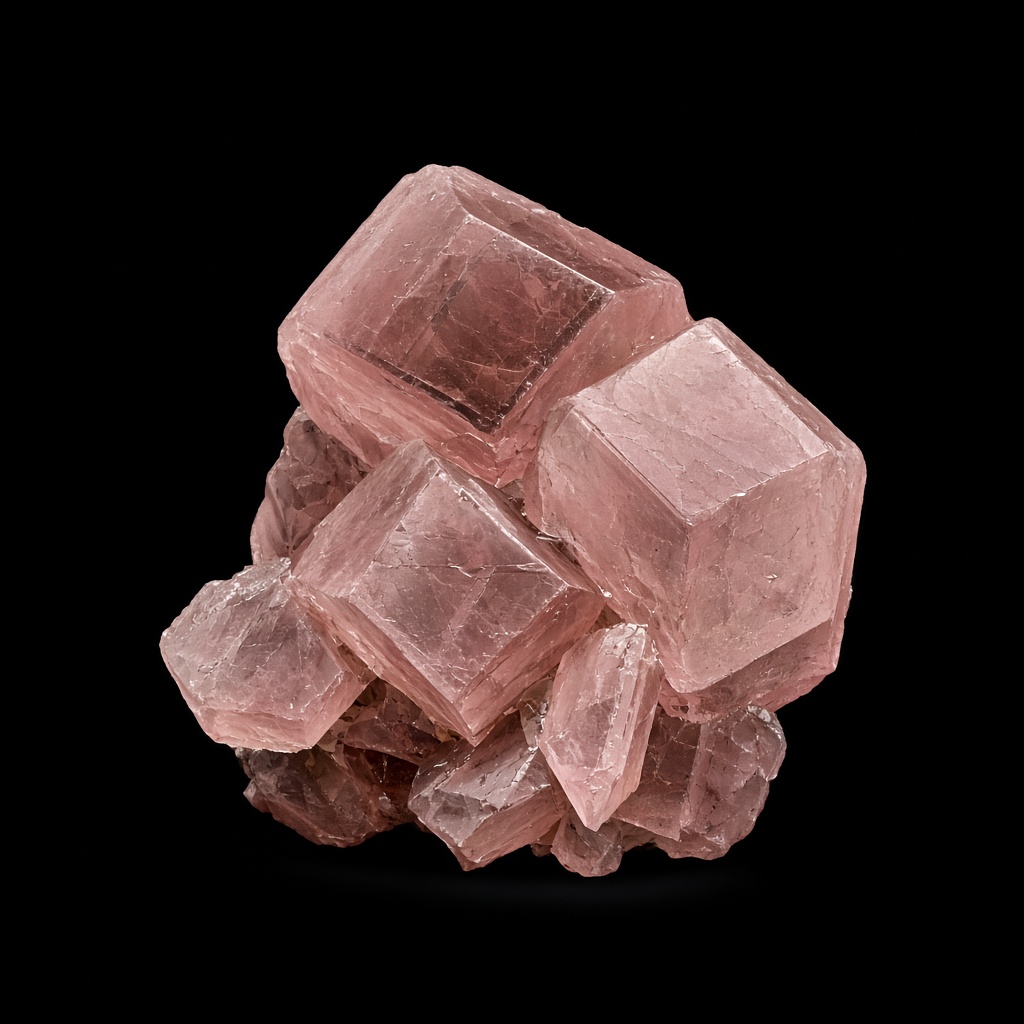
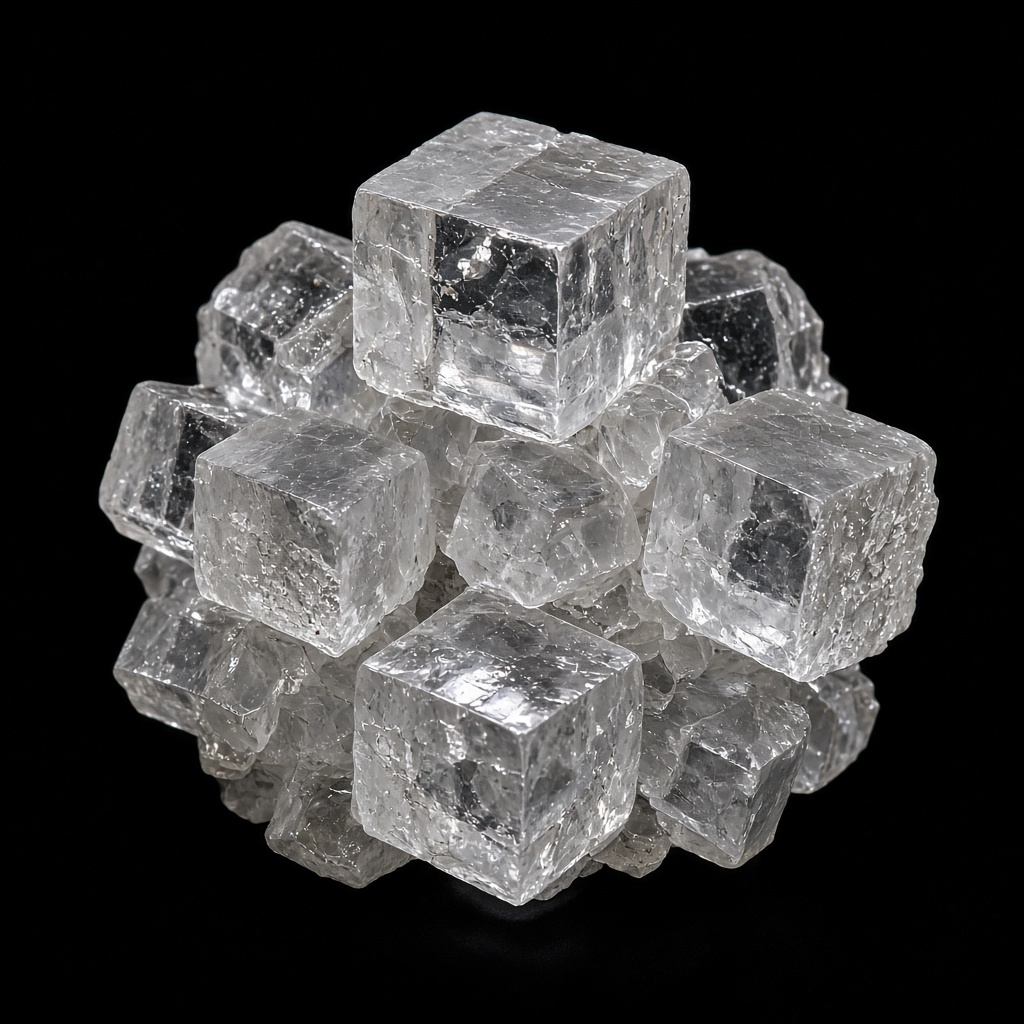
Halite forms cubic crystals and massive rock salt beds. Perfect cubic cleavage and salty taste (use caution, never taste unknown minerals in the field as policy — educational context only) aid ID. Critical for chemical industry and food. Blue halite is a collector specialty.
Halite belongs in a crystal identifier workflow because photo cues — color zoning, crystal habit, and surface luster — combine with measurable traits like Mohs 2.5 and specific gravity 2.1–2.2. Use RockScan’s camera to get a first-pass ID, then confirm with the checklist below.
Halite properties
| Mohs hardness | 2.5 |
|---|---|
| Crystal system | Cubic |
| Luster | Vitreous |
| Color | Colorless, white, blue, pink |
| Composition | Sodium chloride |
| Formation | Marine and lacustrine evaporite deposits |
| Occurrence | Worldwide; salt domes and beds; Middle East evaporites |
| Specific gravity | 2.1–2.2 |
| Cleavage | Perfect cubic |
How to identify Halite
- Cubic crystals/cleavage
- Low hardness; soluble in water
- SG ~2.2; vitreous luster
Collector notes
- Salt domes can trap petroleum
- Some blue halite color relates to radiation-induced defects
Value context: Industrial commodity; fine colored crystals are modest collector pieces.
Halite FAQ
How do you identify Halite?
Halite (NaCl) is typically recognized by colorless, white, blue, pink color, vitreous luster, Mohs hardness 2.5, and cubic crystal system. RockScan can suggest Halite from a photo and surface these checks on the result card.
What is Halite made of?
Halite composition: Sodium chloride. It forms via marine and lacustrine evaporite deposits and is found in Worldwide; salt domes and beds; Middle East evaporites.
Is Halite valuable?
Industrial commodity; fine colored crystals are modest collector pieces.