Crystal & mineral guide
Gneiss
Banded high-grade metamorphic rock
Banded high-grade metamorphic rock of continental shields.
Identify Gneiss with RockScanAbout Gneiss
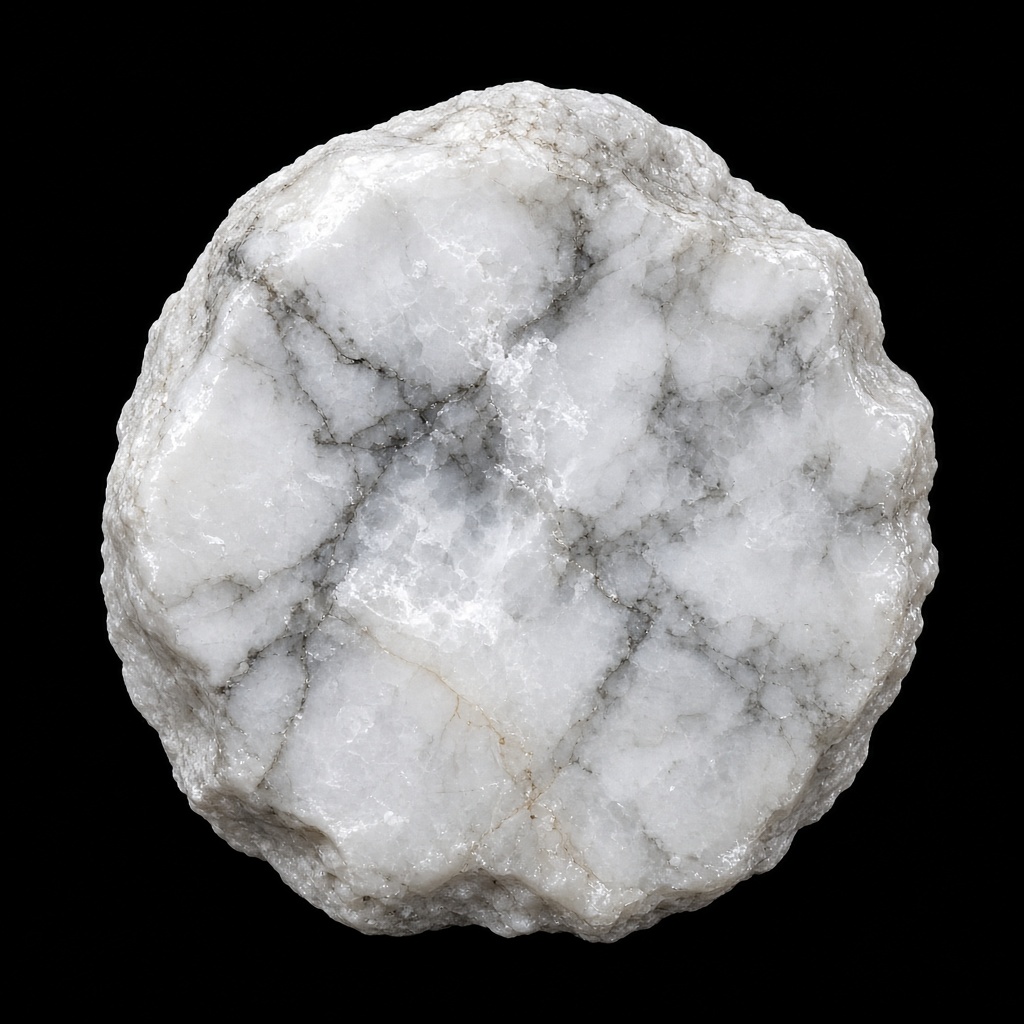
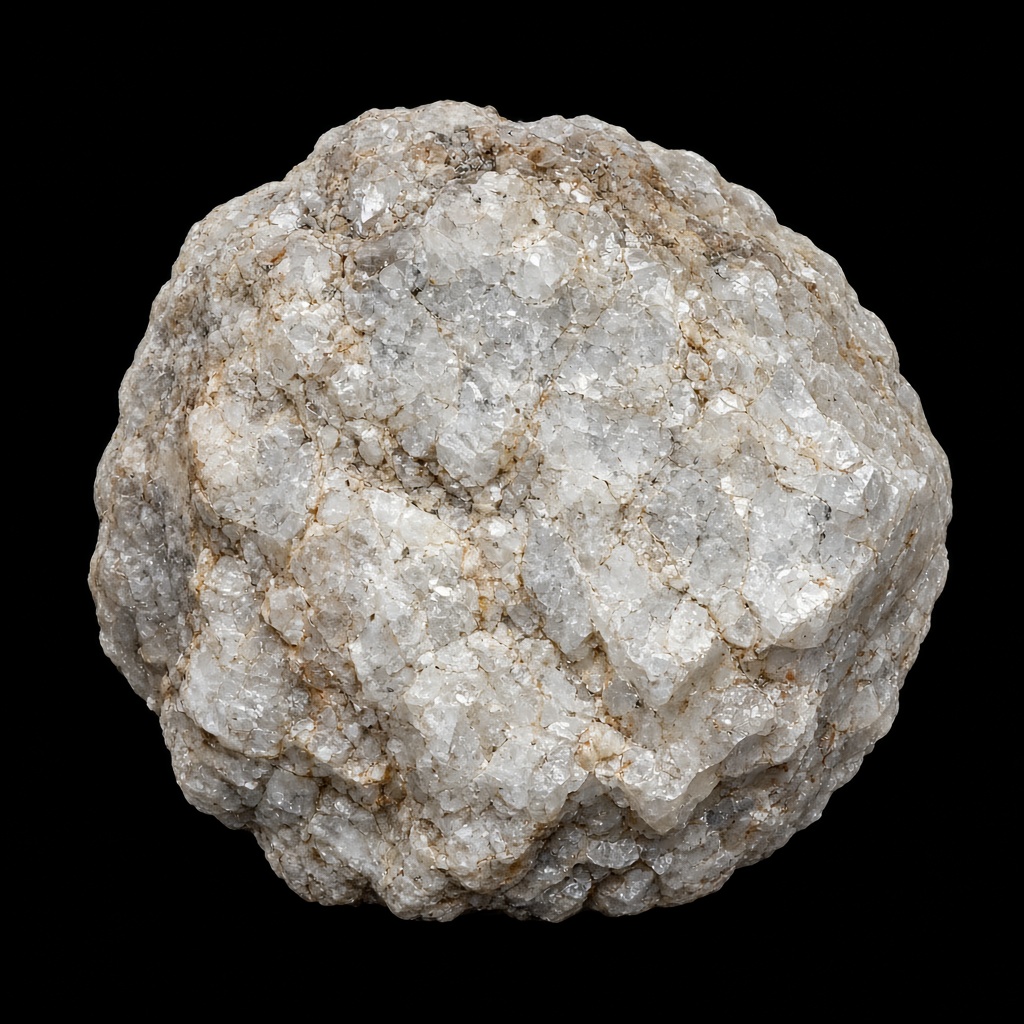
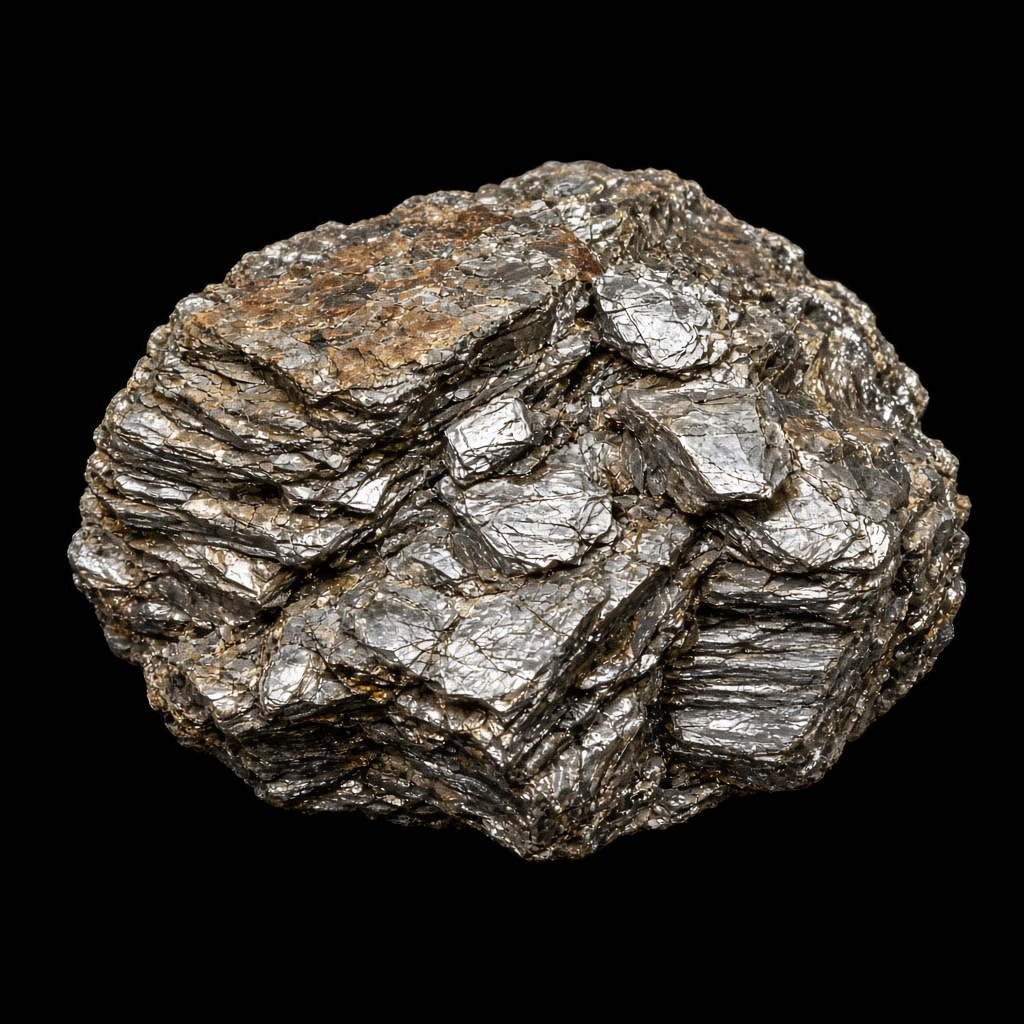
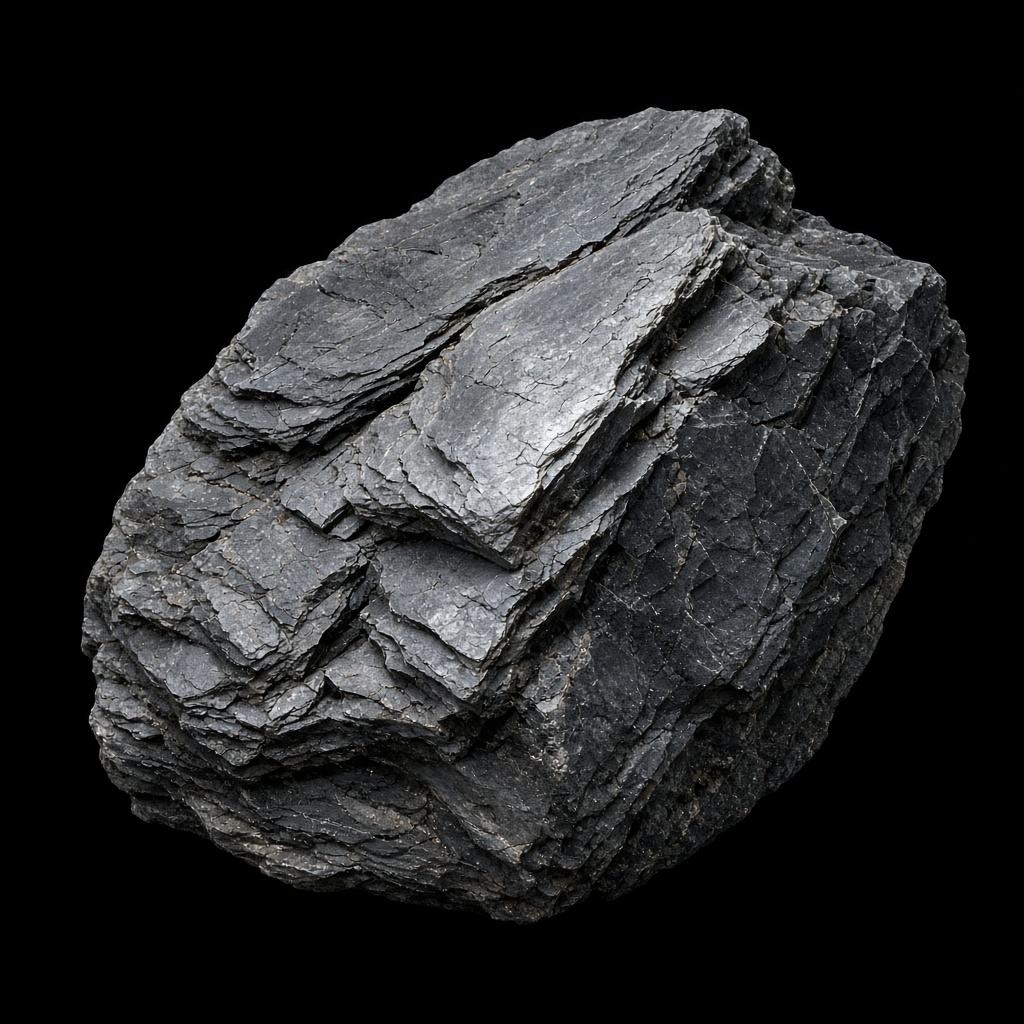
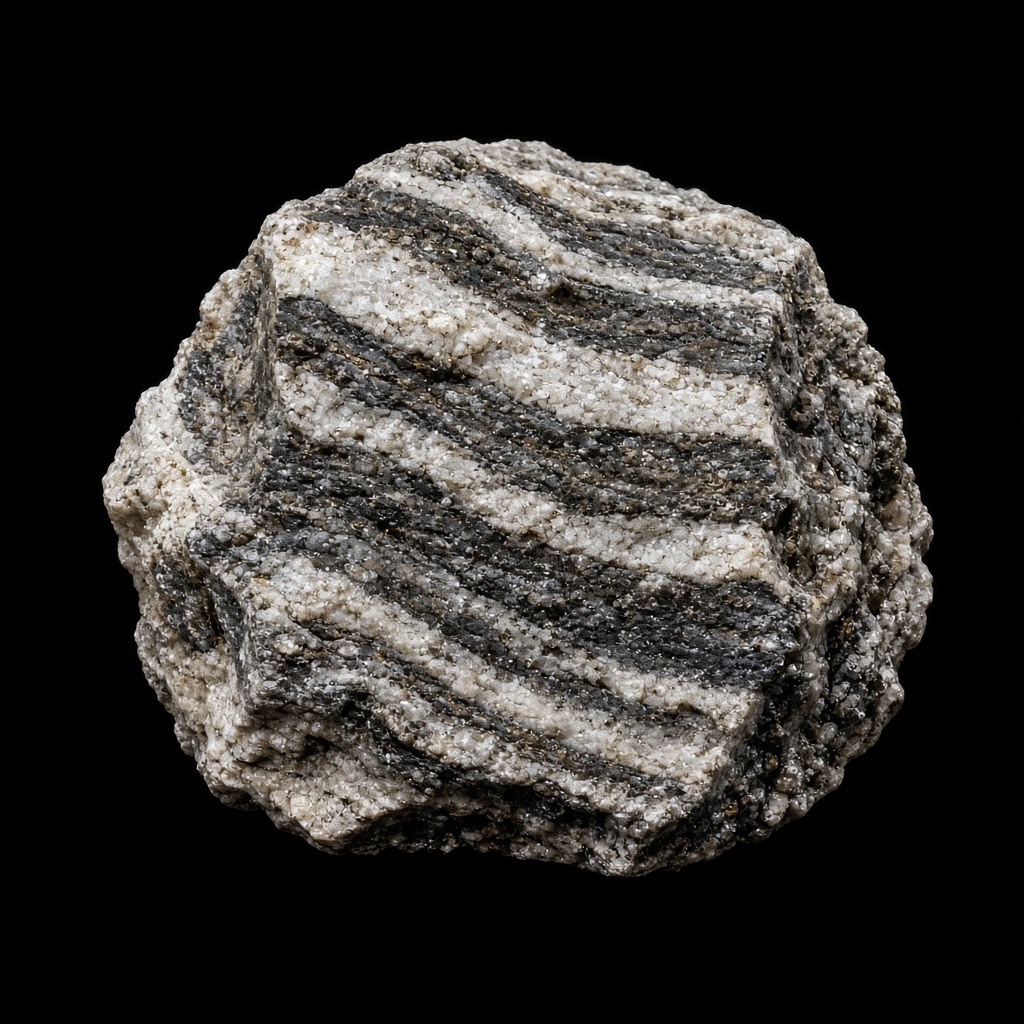
Gneiss shows compositional banding of light (quartz-feldspar) and dark (biotite/amphibole) layers. Forms under high-grade metamorphism. Distinguished from schist by coarser banding and less fissile mica sheen. Common in ancient continental crust.
Gneiss belongs in a crystal identifier workflow because photo cues — color zoning, crystal habit, and surface luster — combine with measurable traits like Mohs 6–7 (aggregate) and specific gravity 2.6–2.9. Use RockScan’s camera to get a first-pass ID, then confirm with the checklist below.
Gneiss properties
| Mohs hardness | 6–7 (aggregate) |
|---|---|
| Crystal system | Foliated aggregate |
| Luster | Vitreous |
| Color | Banded light and dark layers |
| Composition | Quartz + feldspar + mafic minerals in bands |
| Formation | High-grade regional metamorphism |
| Occurrence | Precambrian shields worldwide |
| Specific gravity | 2.6–2.9 |
| Cleavage | None (gneissic banding) |
How to identify Gneiss
- Alternating light/dark mineral bands
- Coarse crystalline; hard
- Less fissile than schist
Collector notes
- Augen gneiss contains eye-shaped feldspar porphyroclasts
- Much of Canada's Shield is gneissic
Value context: Occasionally used as dimension stone; mostly geologic reference.
Gneiss FAQ
How do you identify Gneiss?
Gneiss (Banded high-grade metamorphic rock) is typically recognized by banded light and dark layers color, vitreous luster, Mohs hardness 6–7 (aggregate), and foliated aggregate crystal system. RockScan can suggest Gneiss from a photo and surface these checks on the result card.
What is Gneiss made of?
Gneiss composition: Quartz + feldspar + mafic minerals in bands. It forms via high-grade regional metamorphism and is found in Precambrian shields worldwide.
Is Gneiss valuable?
Occasionally used as dimension stone; mostly geologic reference.