Crystal & mineral guide
Gypsum
CaSO₄·2H₂O
Mohs 2 evaporite — feedstock for plaster and drywall.
Identify Gypsum with RockScanAbout Gypsum
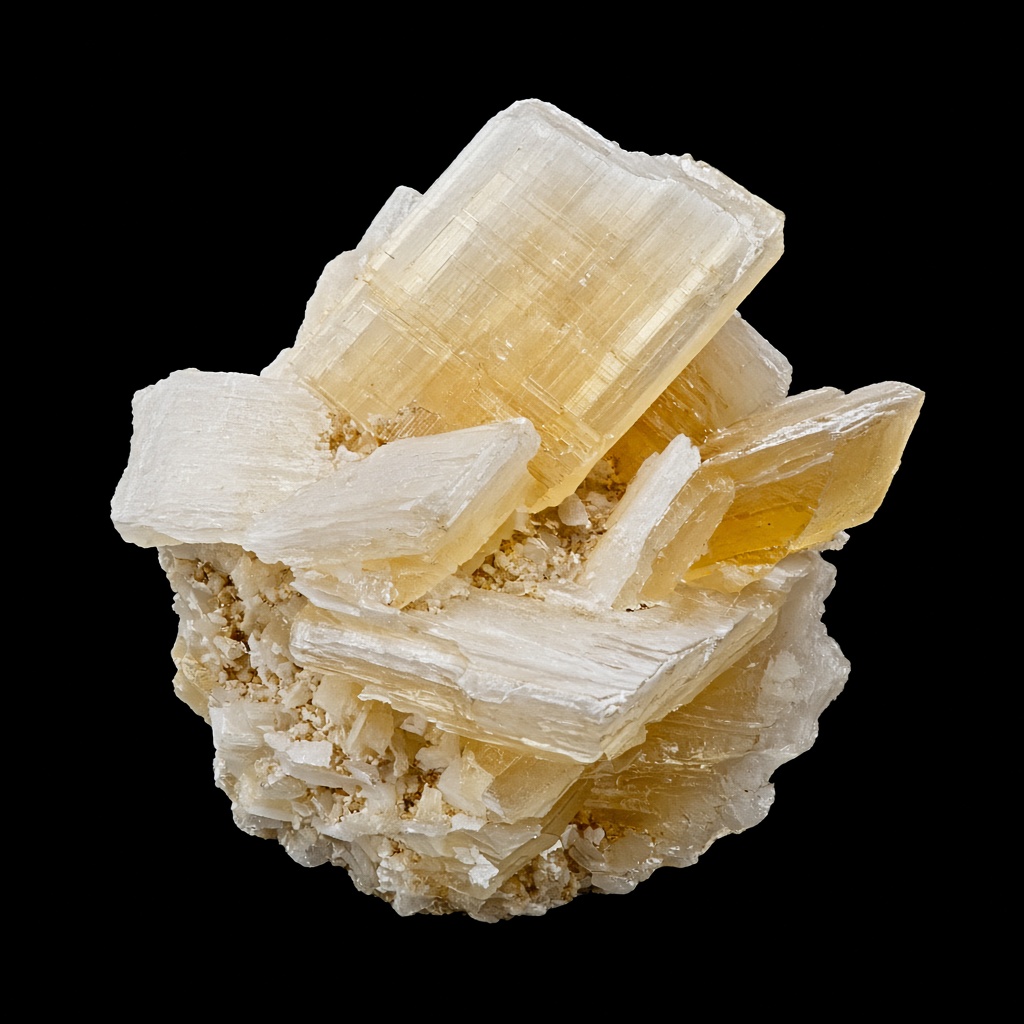
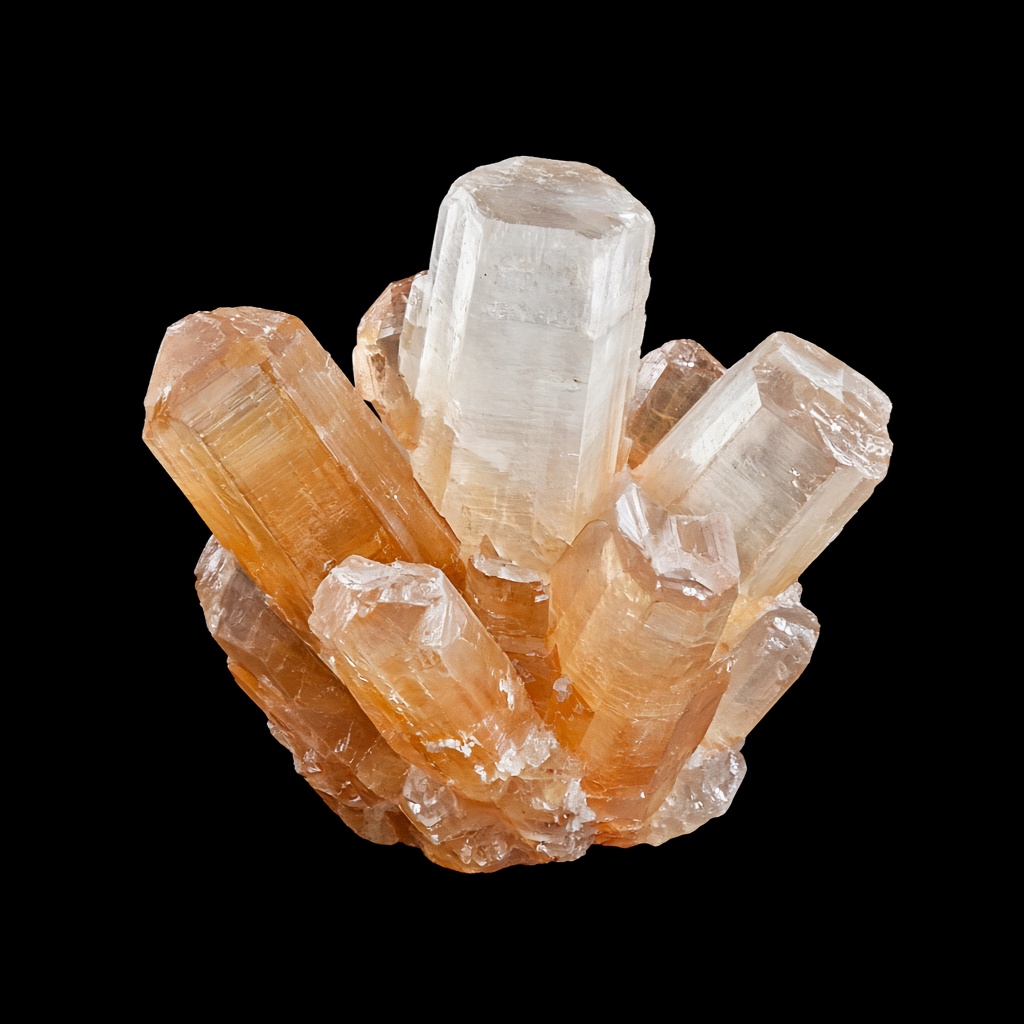
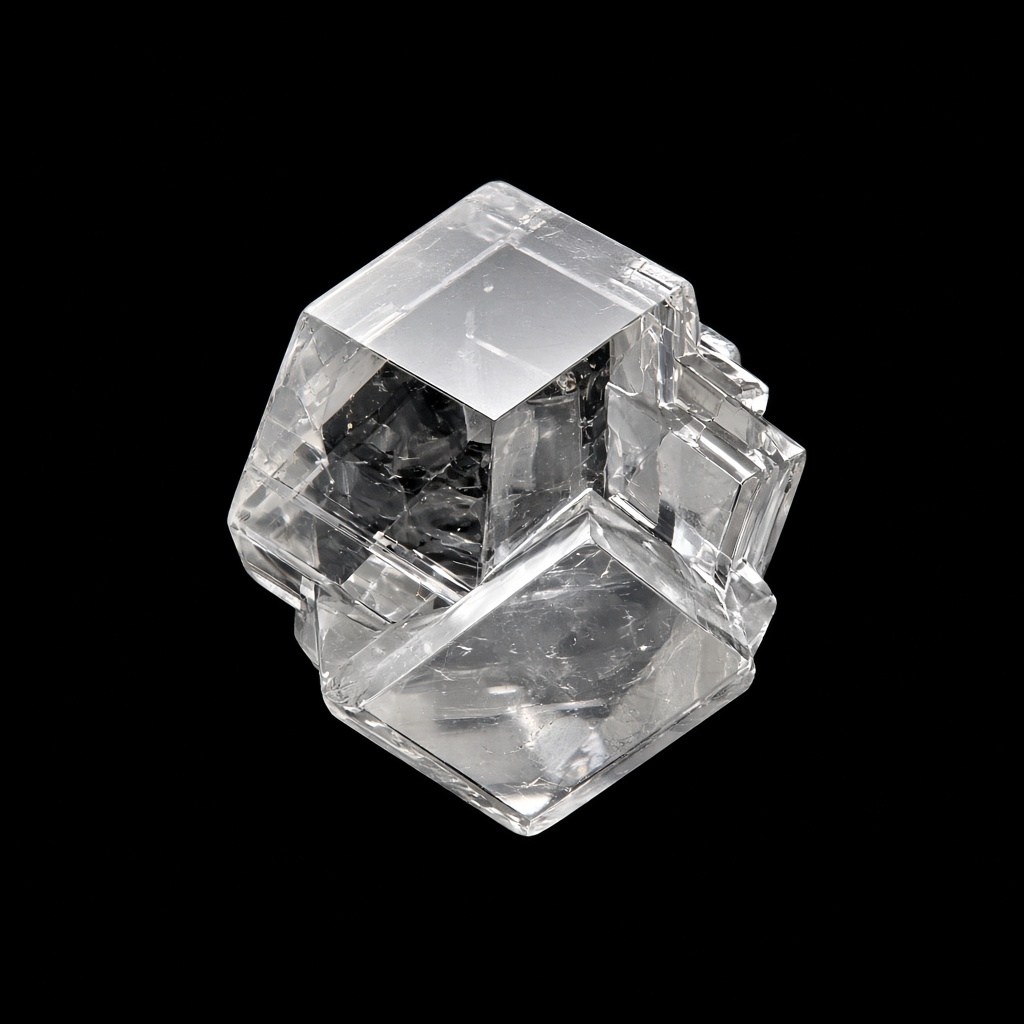
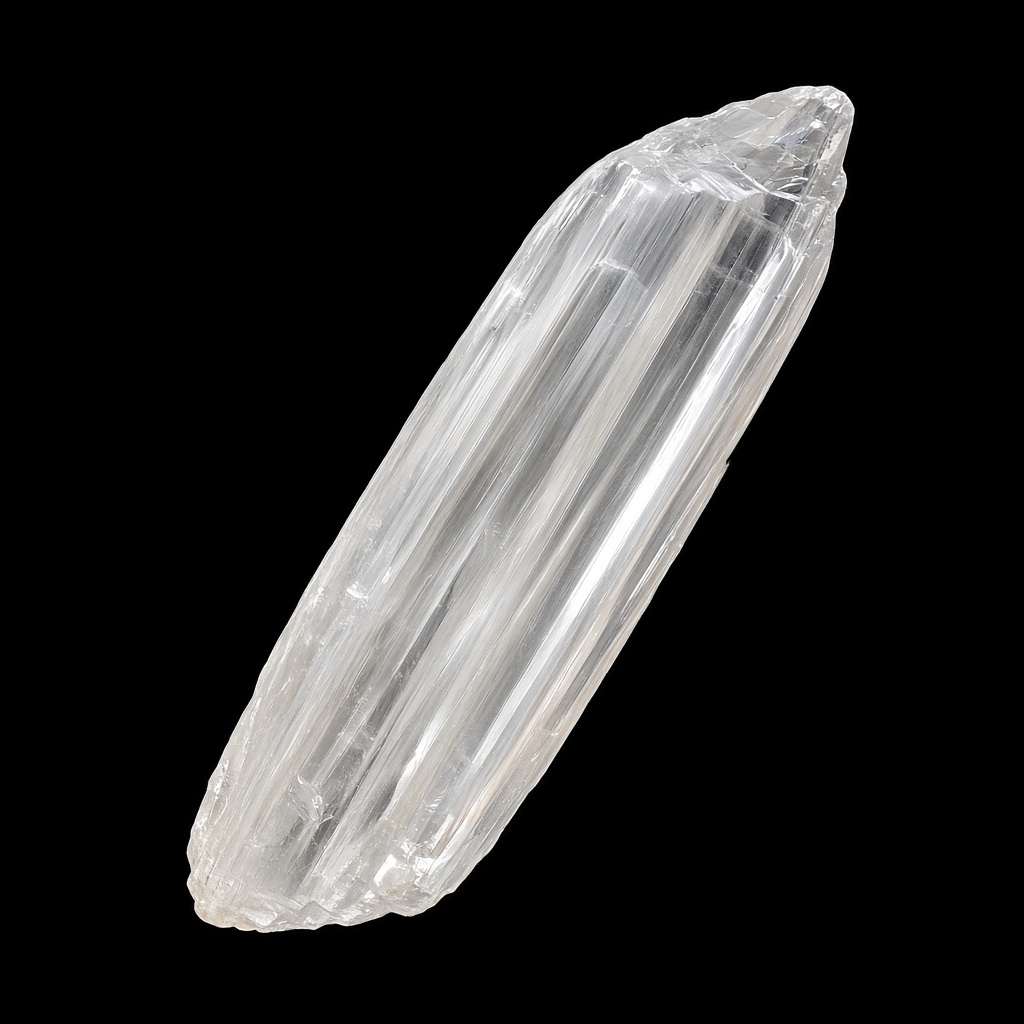
Gypsum is soft enough to scratch with a fingernail. Selenite (clear), satin spar (fibrous), and alabaster (massive) are varieties. Major industrial mineral for construction plaster. Desert rose forms are popular specimens in arid regions including the Arabian Peninsula.
Gypsum belongs in a crystal identifier workflow because photo cues — color zoning, crystal habit, and surface luster — combine with measurable traits like Mohs 2 and specific gravity 2.3–2.4. Use RockScan’s camera to get a first-pass ID, then confirm with the checklist below.
Gypsum properties
| Mohs hardness | 2 |
|---|---|
| Crystal system | Monoclinic |
| Luster | Vitreous to pearly |
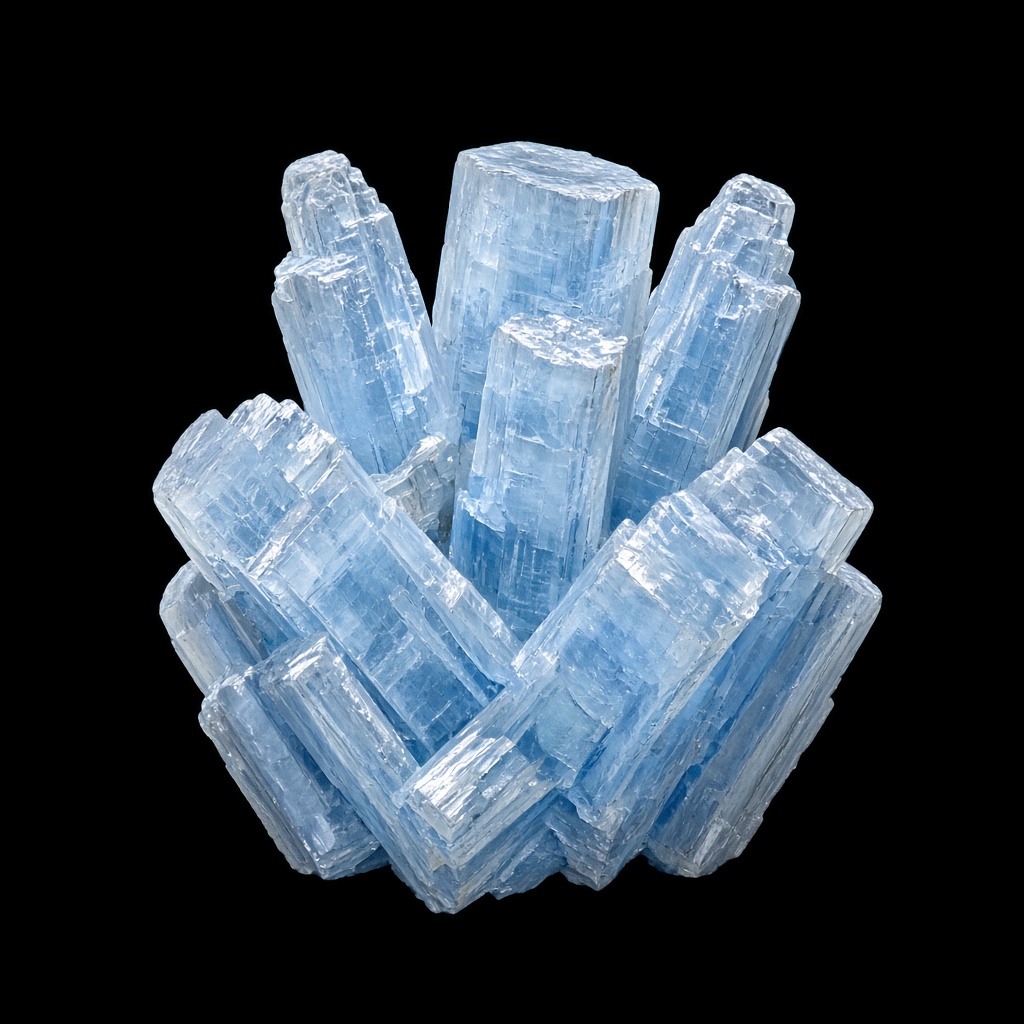
| Color | Colorless, white, pastel |
| Composition | Hydrated calcium sulfate |
| Formation | Evaporite basins and alteration of sulfides |
| Occurrence | Worldwide; Spain, Mexico, USA, Middle East evaporites |
| Specific gravity | 2.3–2.4 |
| Cleavage | Perfect |
How to identify Gypsum
- Hardness 2 — fingernail scratch
- Perfect cleavage; flexible thin sheets
- Does not fizz in acid (vs calcite)
Collector notes
- Desert rose gypsum forms in arid sandy soils
- Heating gypsum produces plaster of Paris
Value context: Industrial bulk commodity; aesthetic selenite and desert roses for collectors.
Gypsum FAQ
How do you identify Gypsum?
Gypsum (CaSO₄·2H₂O) is typically recognized by colorless, white, pastel color, vitreous to pearly luster, Mohs hardness 2, and monoclinic crystal system. RockScan can suggest Gypsum from a photo and surface these checks on the result card.
What is Gypsum made of?
Gypsum composition: Hydrated calcium sulfate. It forms via evaporite basins and alteration of sulfides and is found in Worldwide; Spain, Mexico, USA, Middle East evaporites.
Is Gypsum valuable?
Industrial bulk commodity; aesthetic selenite and desert roses for collectors.