Crystal & mineral guide
Azurite
Cu₃(CO₃)₂(OH)₂
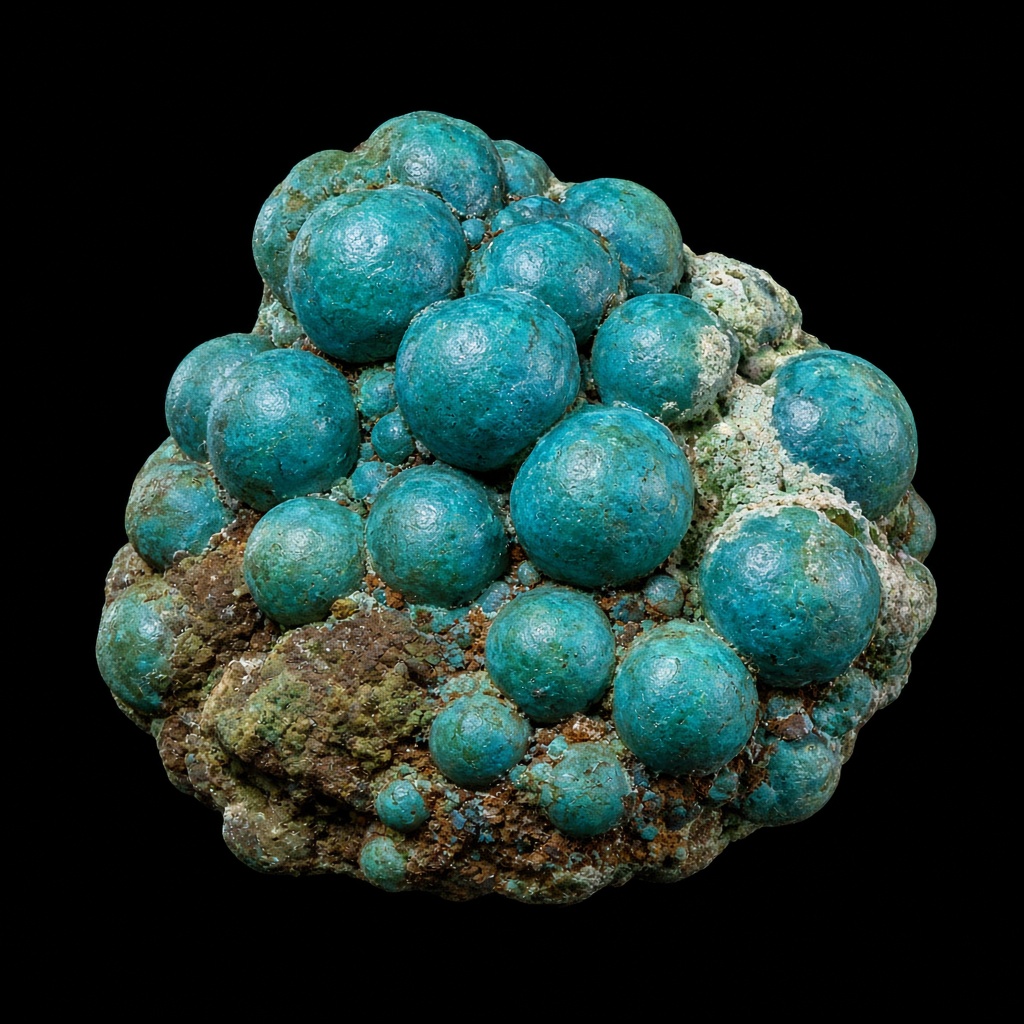
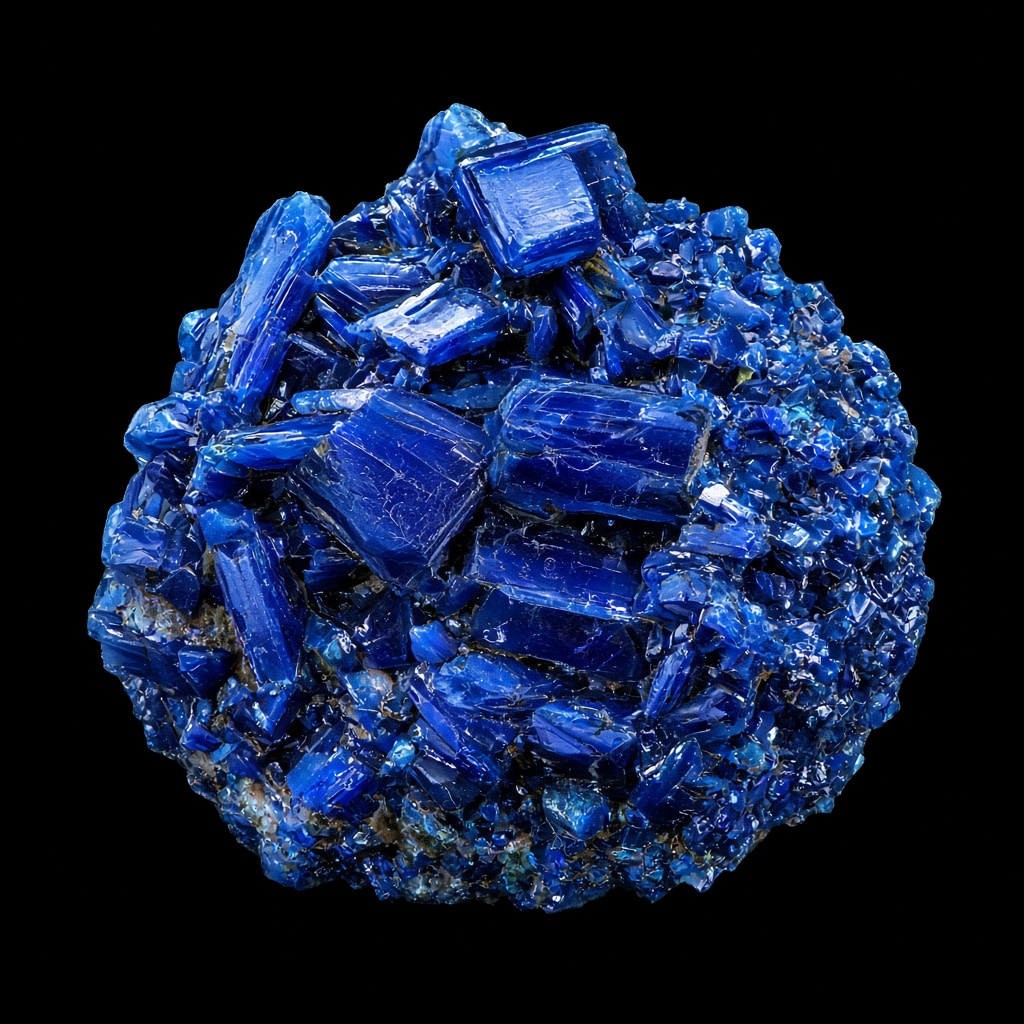
Deep blue copper carbonate — classic oxide-zone associate of malachite.
Identify Azurite with RockScanAbout Azurite
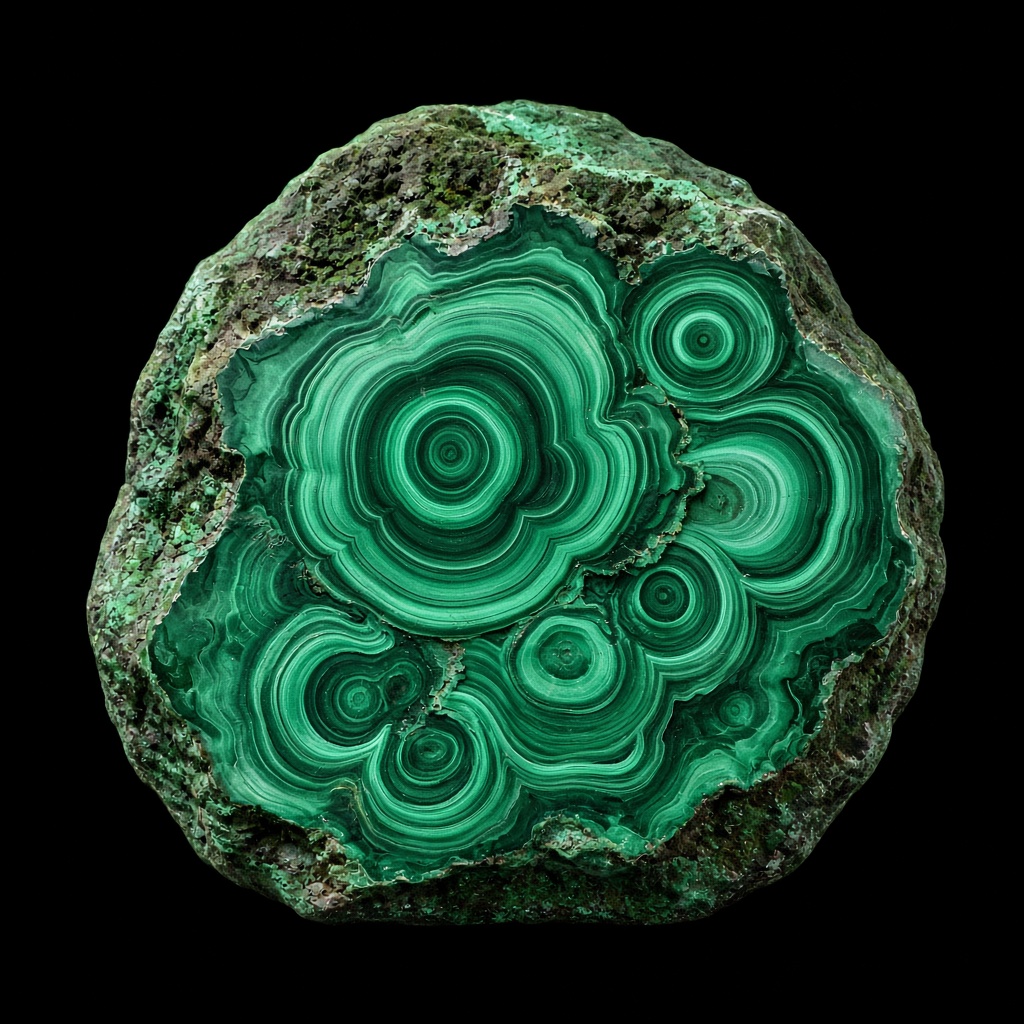
Azurite's intense blue is diagnostic in copper oxidation zones. Often alters to green malachite. Soft and acid-reactive — ornamental more than jewelry. Powder was historic blue pigment. Moroccan and Arizona specimens lead collector markets.
Azurite belongs in a crystal identifier workflow because photo cues — color zoning, crystal habit, and surface luster — combine with measurable traits like Mohs 3.5–4 and specific gravity 3.7–3.9. Use RockScan’s camera to get a first-pass ID, then confirm with the checklist below.
Azurite properties
| Mohs hardness | 3.5–4 |
|---|---|
| Crystal system | Monoclinic |
| Luster | Vitreous to adamantine |
| Color | Deep azure blue |
| Composition | Copper carbonate hydroxide |
| Formation | Oxidation zones of copper deposits |
| Occurrence | Arizona, Morocco, Namibia, France, Australia |
| Specific gravity | 3.7–3.9 |
| Cleavage | Perfect |
How to identify Azurite
- Intense azure blue
- Associates with malachite
- Acid fizz; SG ~3.8
Collector notes
- Name from Persian 'lazhward' via azure color terms
- Alters readily to malachite over geologic time
Value context: Sharp crystals and azurite-malachite combinations are premium specimens.
Azurite FAQ
How do you identify Azurite?
Azurite (Cu₃(CO₃)₂(OH)₂) is typically recognized by deep azure blue color, vitreous to adamantine luster, Mohs hardness 3.5–4, and monoclinic crystal system. RockScan can suggest Azurite from a photo and surface these checks on the result card.
What is Azurite made of?
Azurite composition: Copper carbonate hydroxide. It forms via oxidation zones of copper deposits and is found in Arizona, Morocco, Namibia, France, Australia.
Is Azurite valuable?
Sharp crystals and azurite-malachite combinations are premium specimens.