Crystal & mineral guide
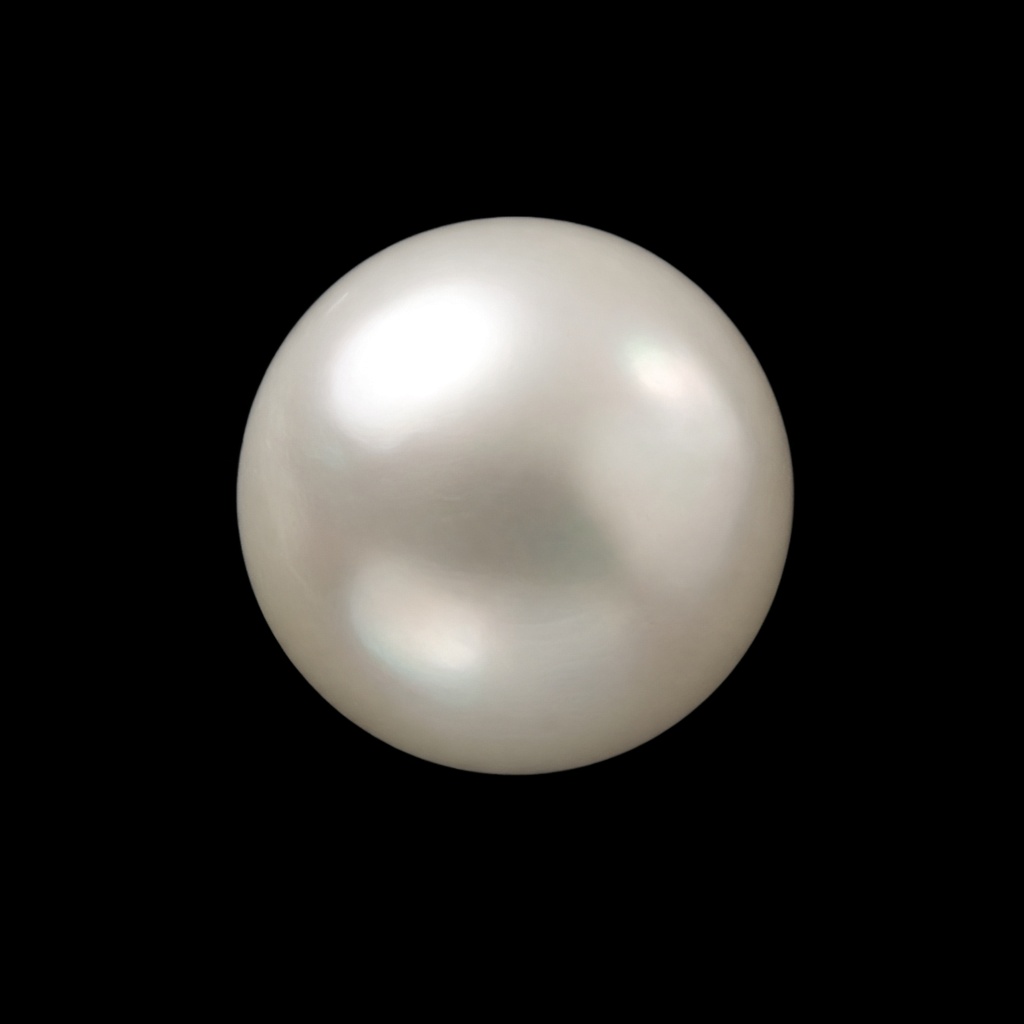
Pearl
CaCO₃ (aragonite + conchiolin)
Organic gem grown by mollusks — Gulf waters once defined natural pearl trade.
Identify Pearl with RockScanAbout Pearl
Natural pearls are rare; nearly all market pearls are cultured. Akoya, freshwater, South Sea, and Tahitian types differ by size, nacre, and overtone. The Arabian Gulf's historic pearling industry shaped regional jewelry culture before cultured pearls transformed global supply.
Pearl belongs in a crystal identifier workflow because photo cues — color zoning, crystal habit, and surface luster — combine with measurable traits like Mohs 2.5–4.5 and specific gravity 2.6–2.8. Use RockScan’s camera to get a first-pass ID, then confirm with the checklist below.
Pearl properties
| Mohs hardness | 2.5–4.5 |
|---|---|
| Crystal system | Organic aggregate |
| Luster | Pearly |
| Color | White, cream, gold, black, pastel |
| Composition | Nacreous calcium carbonate layers |
| Formation | Formed inside mollusks as a biological response |
| Occurrence | Cultured: Japan, China, Australia, French Polynesia; Gulf natural pearling heritage |
| Specific gravity | 2.6–2.8 |
| Cleavage | None |
How to identify Pearl
- Tooth test: slight grit from nacre
- Surface shows organic texture under loupe
- Drill holes reveal nacre layers
Collector notes
- June birthstone (shared with alexandrite/moonstone in some lists)
- Black Tahitian pearls come from black-lip oysters
Value context: Luster and nacre quality matter more than perfect roundness.
Pearl FAQ
How do you identify Pearl?
Pearl (CaCO₃ (aragonite + conchiolin)) is typically recognized by white, cream, gold, black, pastel color, pearly luster, Mohs hardness 2.5–4.5, and organic aggregate crystal system. RockScan can suggest Pearl from a photo and surface these checks on the result card.
What is Pearl made of?
Pearl composition: Nacreous calcium carbonate layers. It forms via formed inside mollusks as a biological response and is found in Cultured: Japan, China, Australia, French Polynesia; Gulf natural pearling heritage.
Is Pearl valuable?
Luster and nacre quality matter more than perfect roundness.