Crystal & mineral guide
Bloodstone
SiO₂ (heliotrope chalcedony)
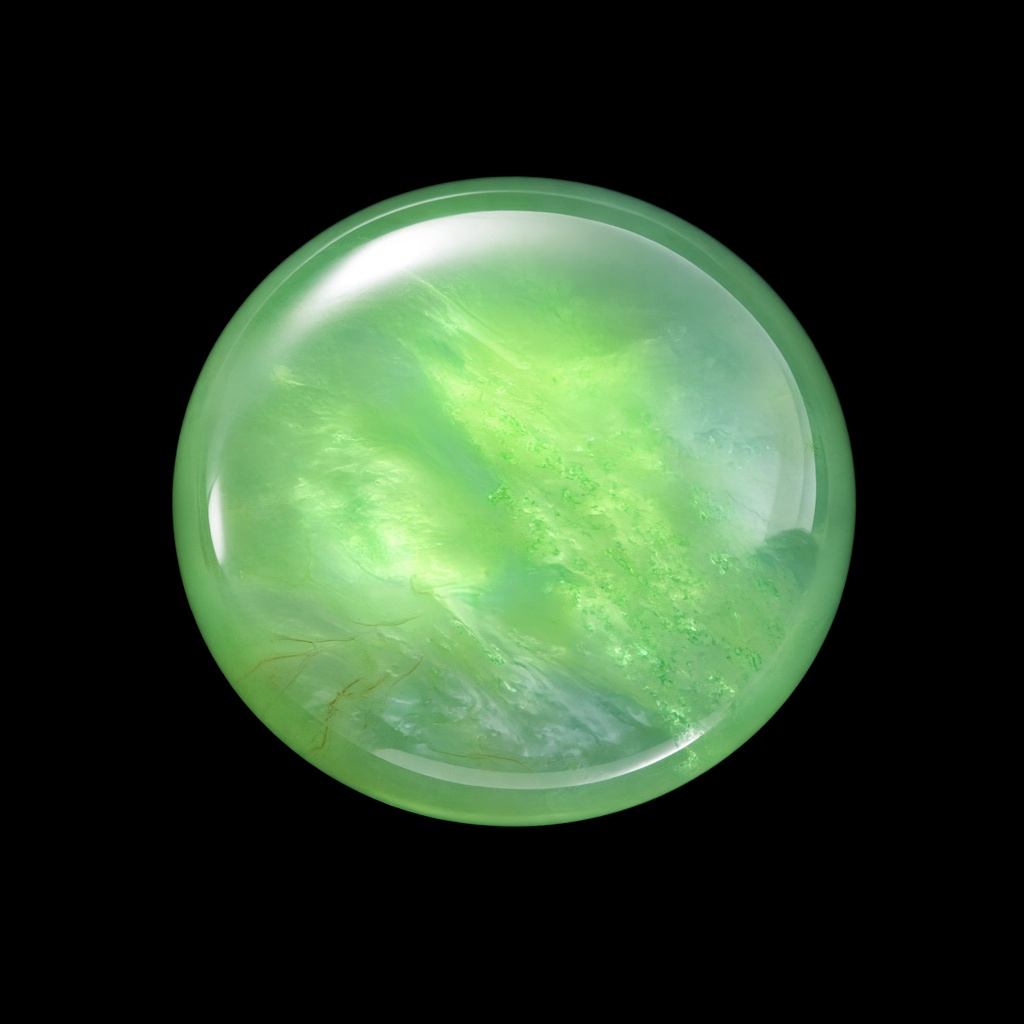
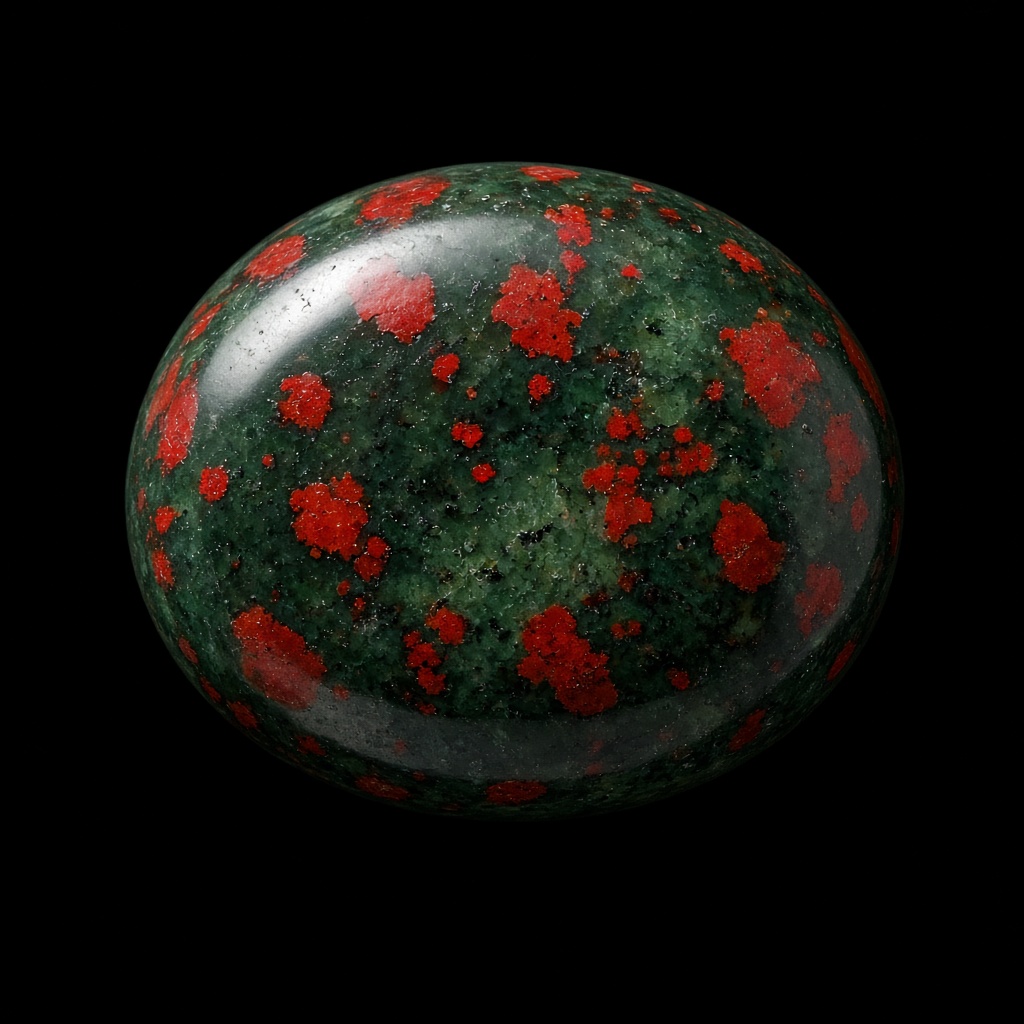
Dark green chalcedony with red hematite spots — traditional March alternative stone.
Identify Bloodstone with RockScanAbout Bloodstone
Bloodstone (heliotrope) shows forest-green body color dotted with red hematite 'blood' spots. Long used for seals and men's rings. Indian material supplies much of the modern bead and cabochon market. Uniform green with vivid red spots grades higher.
Bloodstone belongs in a crystal identifier workflow because photo cues — color zoning, crystal habit, and surface luster — combine with measurable traits like Mohs 6.5–7 and specific gravity 2.58–2.64. Use RockScan’s camera to get a first-pass ID, then confirm with the checklist below.
Bloodstone properties
| Mohs hardness | 6.5–7 |
|---|---|
| Crystal system | Trigonal (microcrystalline) |
| Luster | Vitreous to waxy |
| Color | Dark green with red spots |
| Composition | Chalcedony with chlorite/hornblende and hematite spots |
| Formation | Silica deposition with iron oxide inclusions |
| Occurrence | India, Brazil, Australia, USA |
| Specific gravity | 2.58–2.64 |
| Cleavage | None |
How to identify Bloodstone
- Dark green opaque/translucent with red spots
- Hardness 7
- Not to be confused with green jasper lacking red flecks
Collector notes
- Medieval Europe associated the red spots with blood symbolism
- Also called heliotrope in older mineral texts
Value context: Even green with bright well-distributed red spots prices best.
Bloodstone FAQ
How do you identify Bloodstone?
Bloodstone (SiO₂ (heliotrope chalcedony)) is typically recognized by dark green with red spots color, vitreous to waxy luster, Mohs hardness 6.5–7, and trigonal (microcrystalline) crystal system. RockScan can suggest Bloodstone from a photo and surface these checks on the result card.
What is Bloodstone made of?
Bloodstone composition: Chalcedony with chlorite/hornblende and hematite spots. It forms via silica deposition with iron oxide inclusions and is found in India, Brazil, Australia, USA.
Is Bloodstone valuable?
Even green with bright well-distributed red spots prices best.