Crystal & mineral guide
Aventurine
SiO₂ (quartzite)
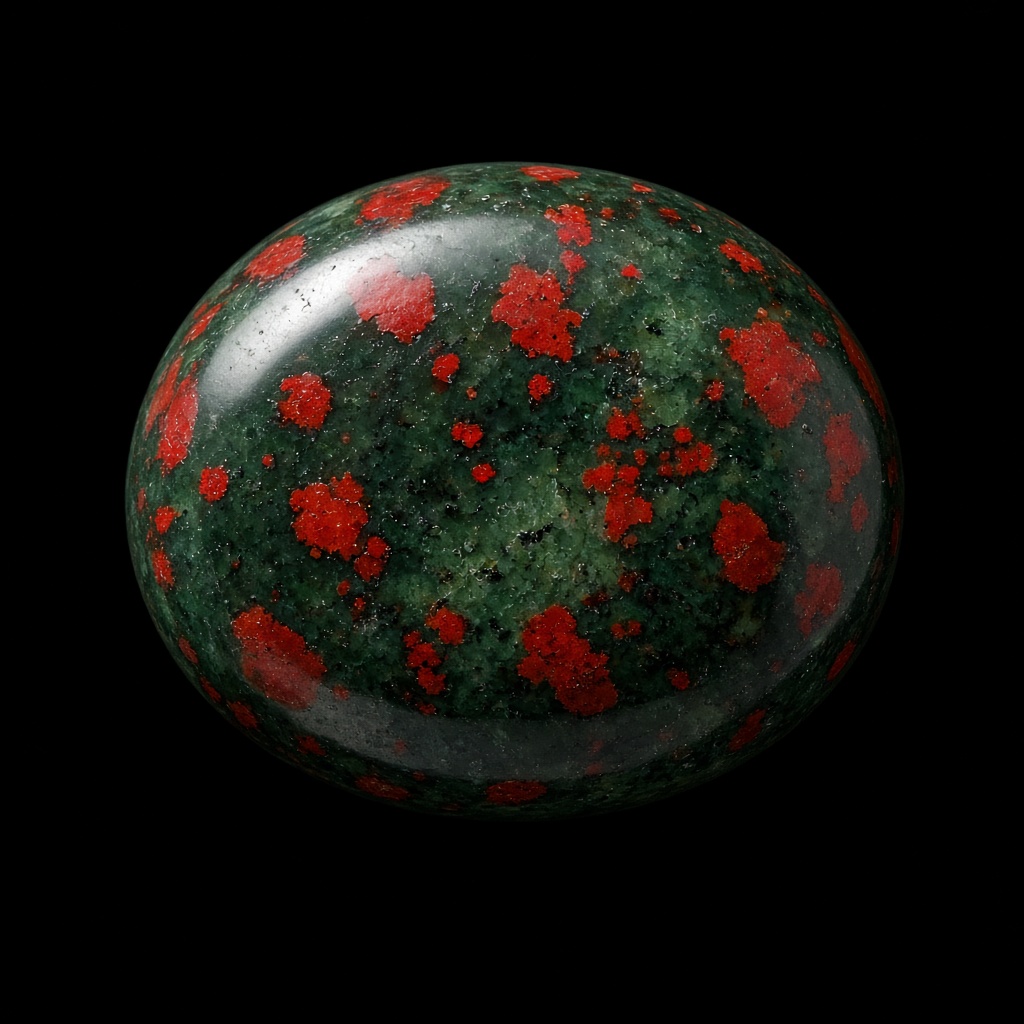
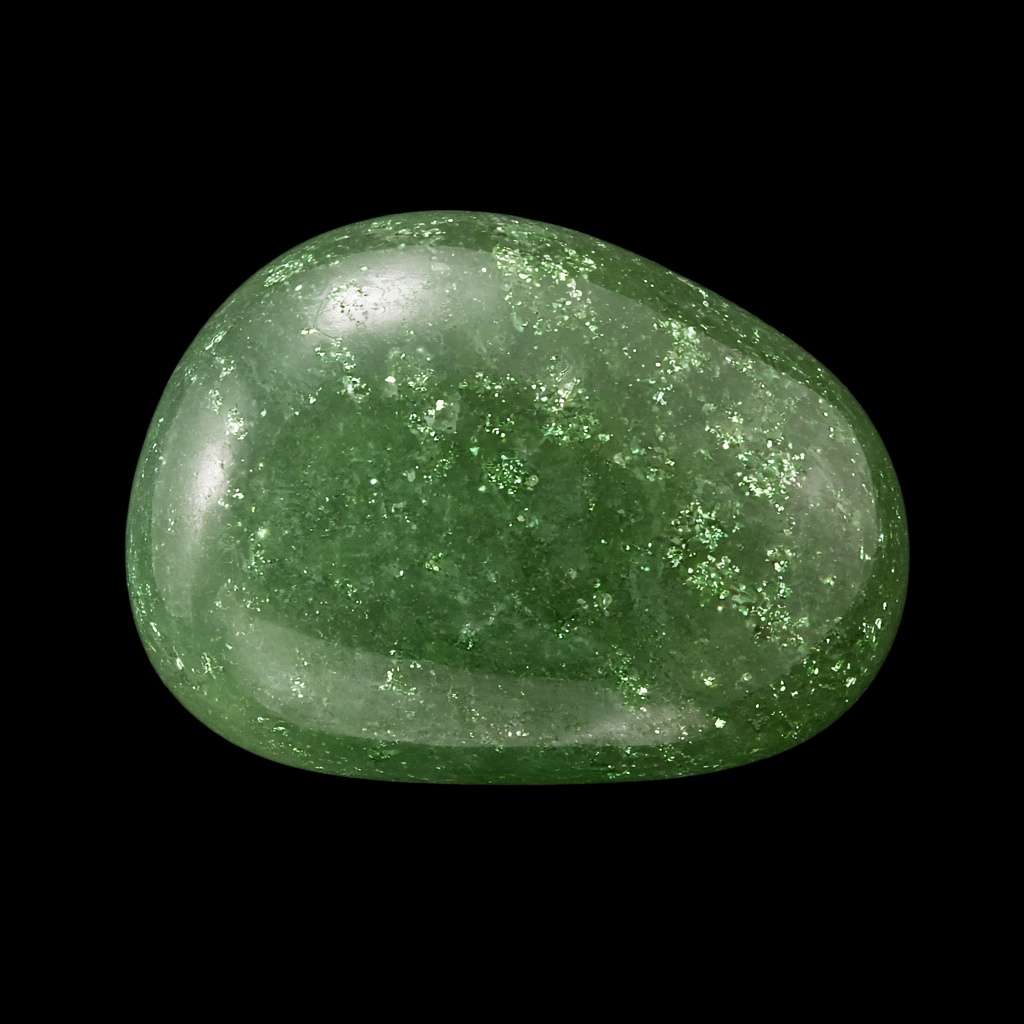
Sparkling quartzite — green fuchsite aventurine dominates bead trade.
Identify Aventurine with RockScanAbout Aventurine
Aventurine's glitter (aventurescence) comes from platy inclusions, typically chrome mica (fuchsite) in green material. Massive and tough for beads. Common in Gulf bead markets. Distinguish from jade by sparkle and quartz hardness/SG.
Aventurine belongs in a crystal identifier workflow because photo cues — color zoning, crystal habit, and surface luster — combine with measurable traits like Mohs 6.5–7 and specific gravity 2.64–2.69. Use RockScan’s camera to get a first-pass ID, then confirm with the checklist below.
Aventurine properties
| Mohs hardness | 6.5–7 |
|---|---|
| Crystal system | Trigonal (aggregate) |
| Luster | Vitreous with sparkle |
| Color | Green classic; also orange, blue |
| Composition | Quartz with fuchsite (green) or iron oxide inclusions |
| Formation | Metamorphic quartzites |
| Occurrence | India, Brazil, Russia, Tanzania |
| Specific gravity | 2.64–2.69 |
| Cleavage | None |
How to identify Aventurine
- Green quartz with mica sparkle
- Hardness 7
- Not as tough as jade; different RI/SG
Collector notes
- Name linked to Italian 'a ventura' glass-making accidents
- Indian green aventurine supplies much global bead stock
Value context: Even green with lively sparkle prices above dull opaque material.
Aventurine FAQ
How do you identify Aventurine?
Aventurine (SiO₂ (quartzite)) is typically recognized by green classic; also orange, blue color, vitreous with sparkle luster, Mohs hardness 6.5–7, and trigonal (aggregate) crystal system. RockScan can suggest Aventurine from a photo and surface these checks on the result card.
What is Aventurine made of?
Aventurine composition: Quartz with fuchsite (green) or iron oxide inclusions. It forms via metamorphic quartzites and is found in India, Brazil, Russia, Tanzania.
Is Aventurine valuable?
Even green with lively sparkle prices above dull opaque material.