Crystal & mineral guide
Molybdenite
MoS₂
Primary molybdenum ore — soft metallic flakes mistaken for graphite.
Identify Molybdenite with RockScanAbout Molybdenite
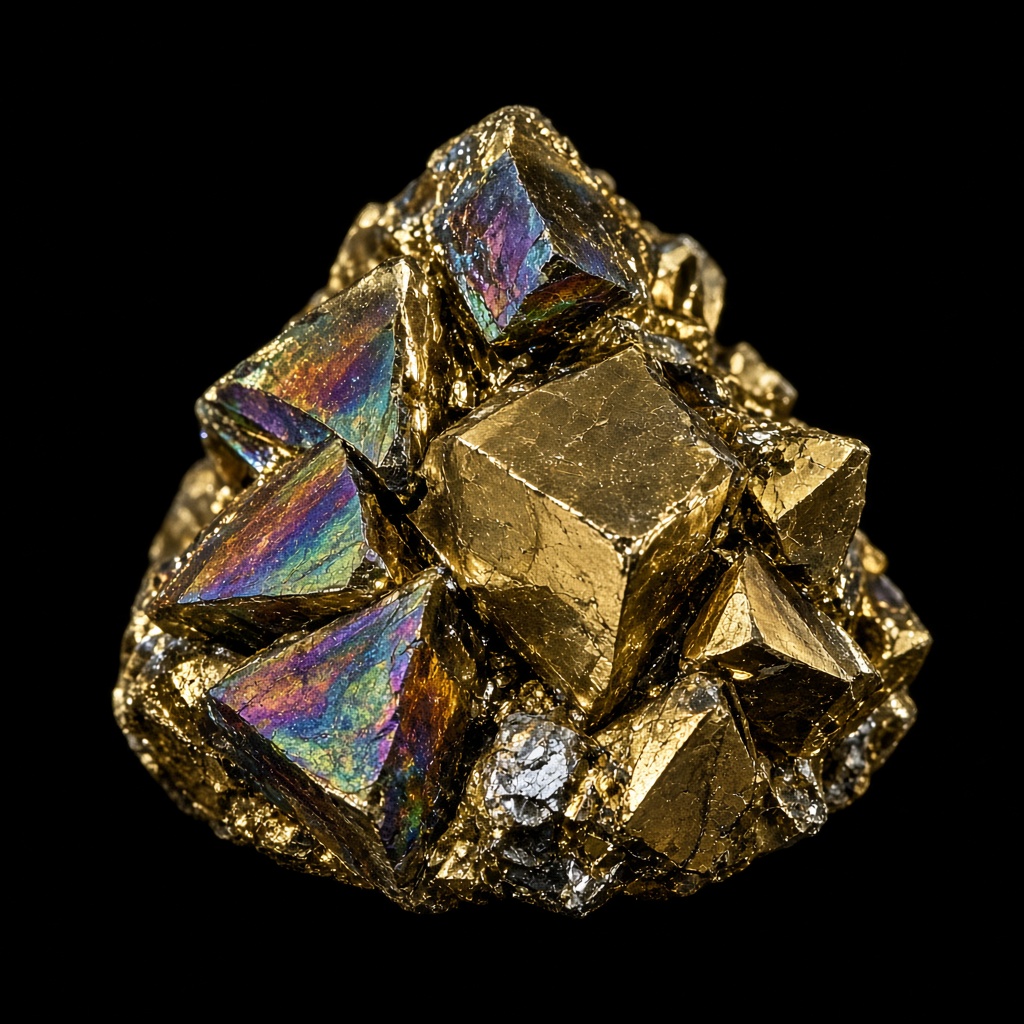
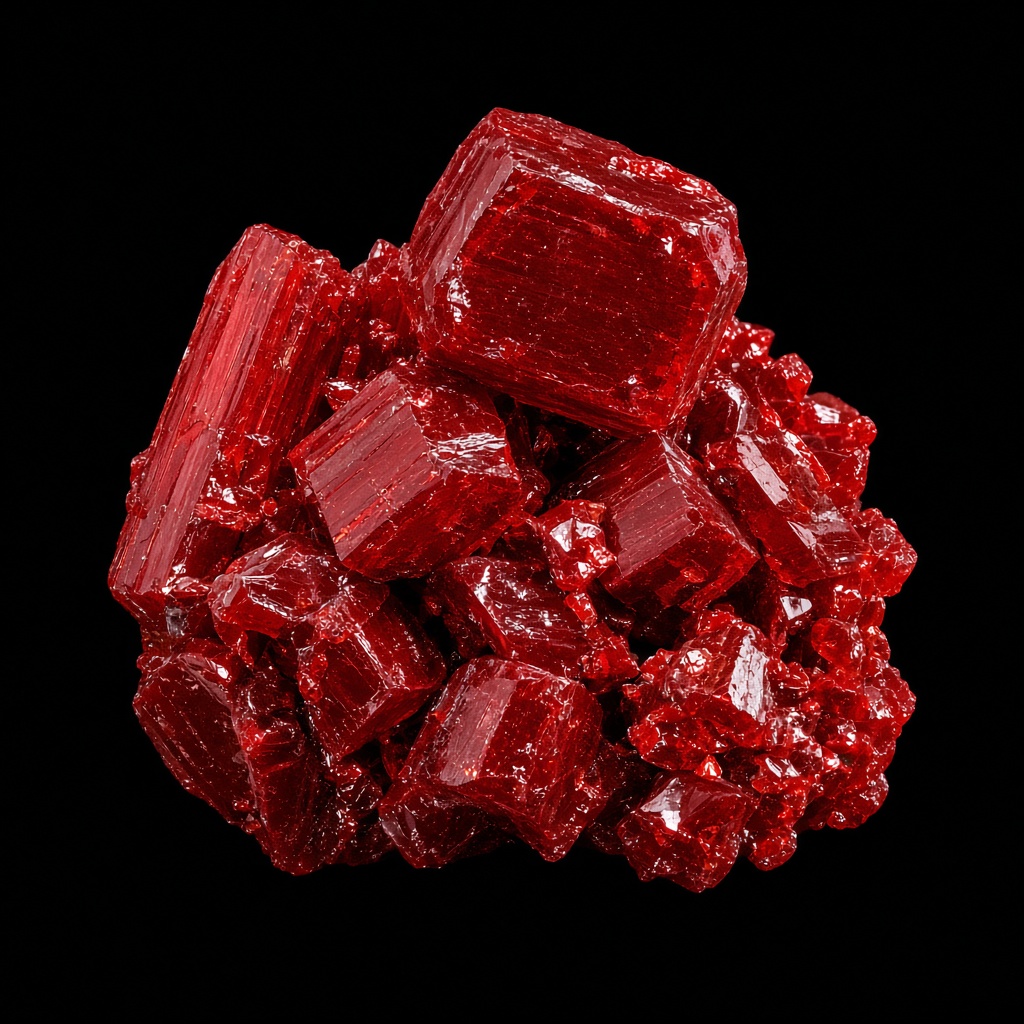
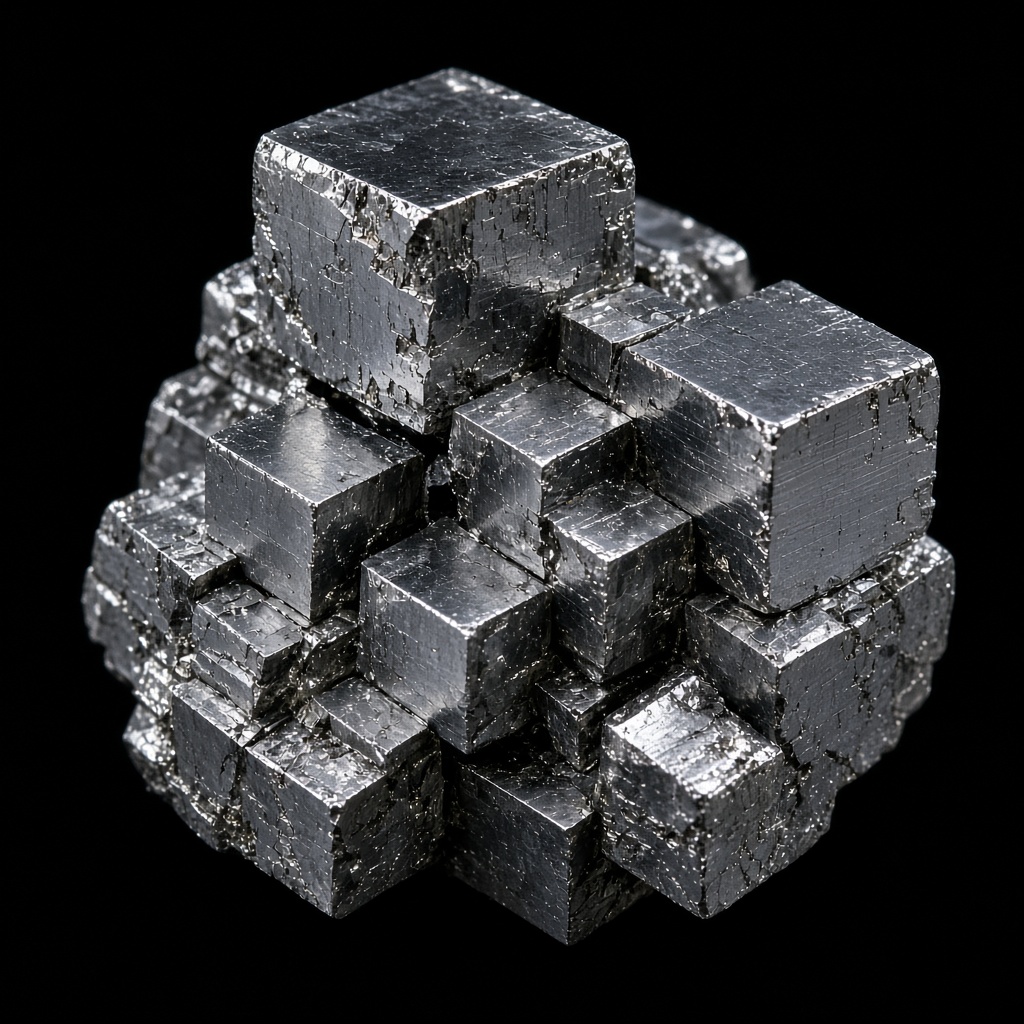
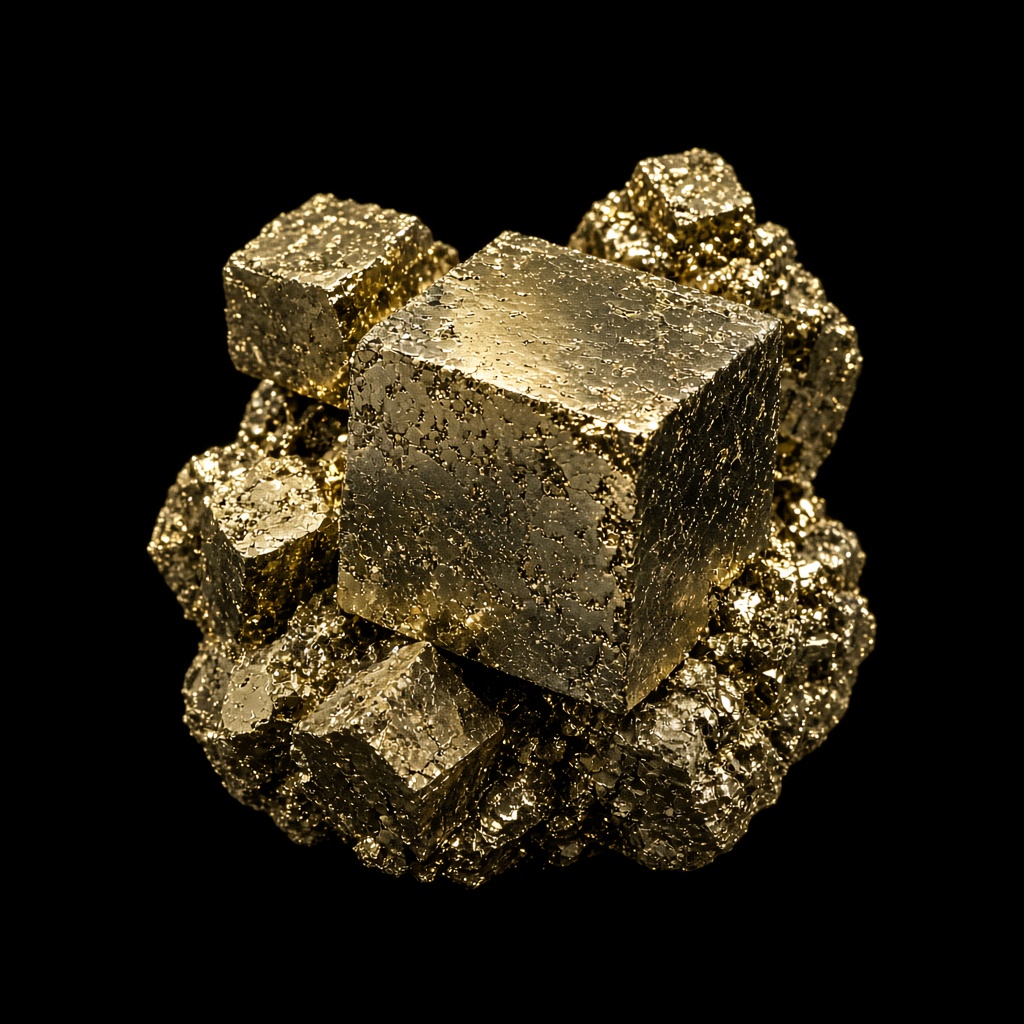
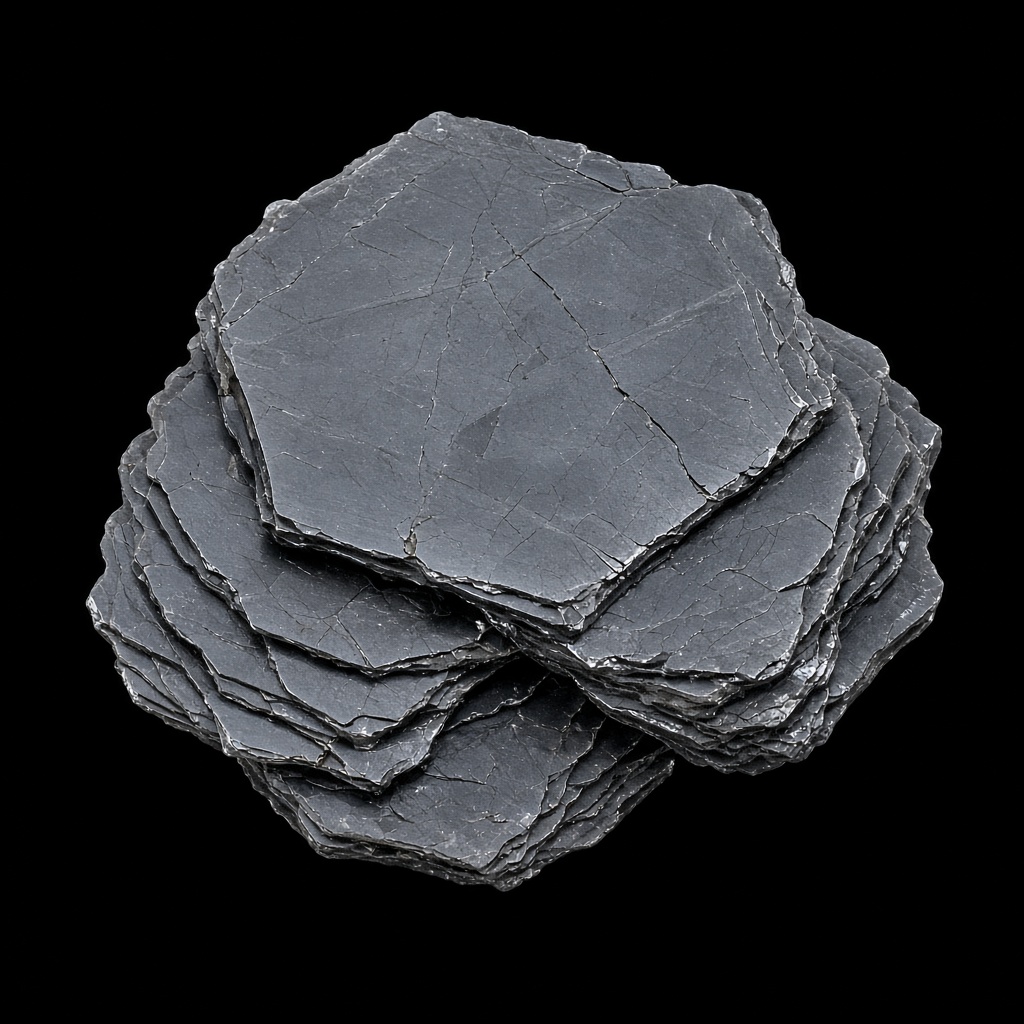
Molybdenite is soft, flexible, and greasy-feeling like graphite but denser and bluer-gray. Marks paper with a greenish streak vs graphite's black. Key ore for steel alloys. Common in porphyry copper-molybdenum deposits.
Molybdenite belongs in a crystal identifier workflow because photo cues — color zoning, crystal habit, and surface luster — combine with measurable traits like Mohs 1–1.5 and specific gravity 4.6–4.8. Use RockScan’s camera to get a first-pass ID, then confirm with the checklist below.
Molybdenite properties
| Mohs hardness | 1–1.5 |
|---|---|
| Crystal system | Hexagonal |
| Luster | Metallic |
| Color | Lead-gray blue tint |
| Composition | Molybdenum disulfide |
| Formation | Porphyry Mo-Cu systems and greisens |
| Occurrence | China, USA, Chile, Peru, Canada |
| Specific gravity | 4.6–4.8 |
| Cleavage | Perfect basal |
How to identify Molybdenite
- Blue-gray metallic flexible flakes
- Greasy feel; hardness 1–1.5
- Greenish-gray streak vs graphite black
Collector notes
- Molybdenum strengthens high-temperature steels
- Can be confused with graphite in the field
Value context: Ore by Mo content in porphyry systems; large crystals collected.
Molybdenite FAQ
How do you identify Molybdenite?
Molybdenite (MoS₂) is typically recognized by lead-gray blue tint color, metallic luster, Mohs hardness 1–1.5, and hexagonal crystal system. RockScan can suggest Molybdenite from a photo and surface these checks on the result card.
What is Molybdenite made of?
Molybdenite composition: Molybdenum disulfide. It forms via porphyry mo-cu systems and greisens and is found in China, USA, Chile, Peru, Canada.
Is Molybdenite valuable?
Ore by Mo content in porphyry systems; large crystals collected.