Crystal & mineral guide
Pyrite
FeS₂
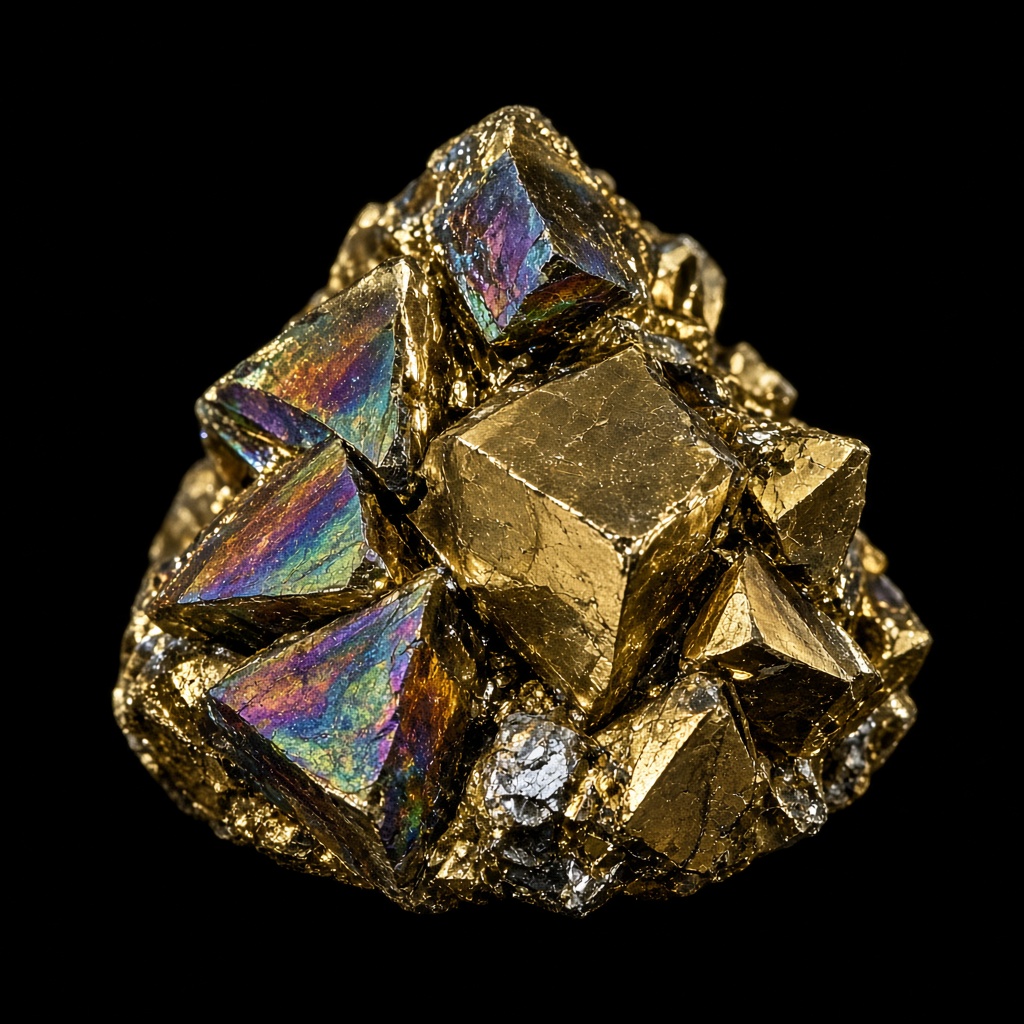
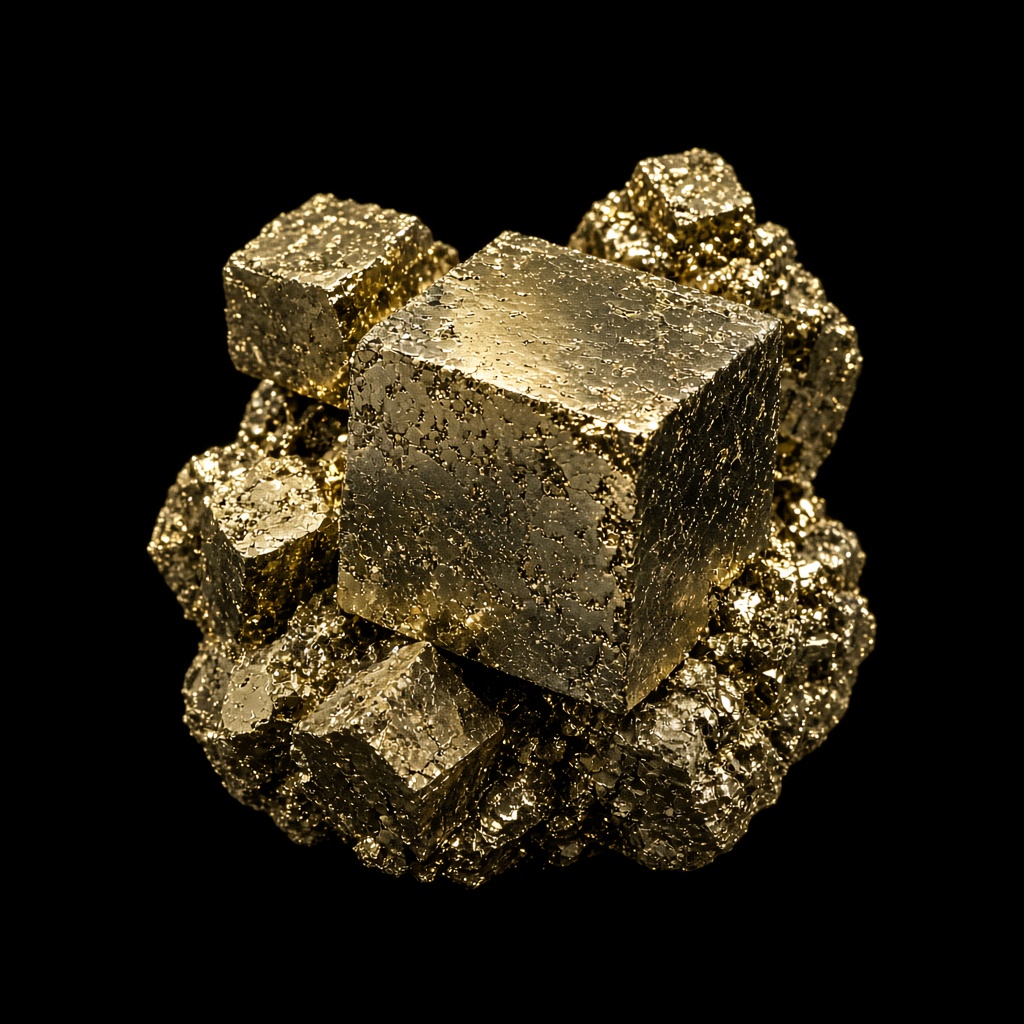
Fool's gold — metallic cubic crystals that fooled many prospectors.
Identify Pyrite with RockScanAbout Pyrite
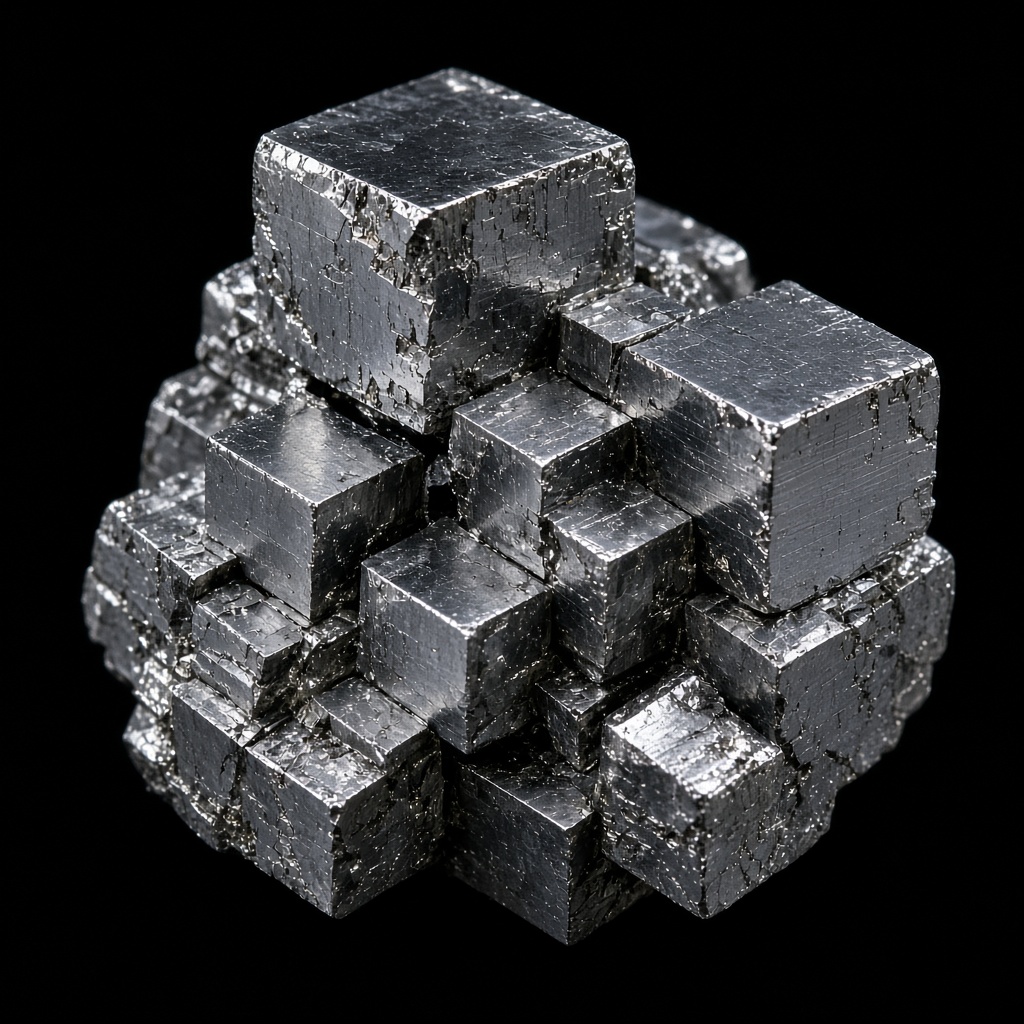
Pyrite's brassy metallic cubes and striated faces are diagnostic. Unlike gold, pyrite is harder, forms crystals, and creates sparks against steel. It can oxidize to iron oxides and sulfuric acid ('pyrite disease') in poor storage. Some ores carry microscopic gold.
Pyrite belongs in a crystal identifier workflow because photo cues — color zoning, crystal habit, and surface luster — combine with measurable traits like Mohs 6–6.5 and specific gravity 5.0–5.2. Use RockScan’s camera to get a first-pass ID, then confirm with the checklist below.
Pyrite properties
| Mohs hardness | 6–6.5 |
|---|---|
| Crystal system | Cubic |
| Luster | Metallic |
| Color | Brass-yellow |
| Composition | Iron disulfide |
| Formation | Sedimentary, hydrothermal, and magmatic environments |
| Occurrence | Worldwide; Spain, Peru, Italy famous for crystals |
| Specific gravity | 5.0–5.2 |
| Cleavage | Indistinct |
How to identify Pyrite
- Cubic crystals with striations
- Hardness higher than gold; brittle
- Greenish-black streak
Collector notes
- Used historically in early ignition systems
- Can host refractory gold in some deposits
Value context: Sharp, lustrous cubic clusters are popular affordable specimens.
Pyrite FAQ
How do you identify Pyrite?
Pyrite (FeS₂) is typically recognized by brass-yellow color, metallic luster, Mohs hardness 6–6.5, and cubic crystal system. RockScan can suggest Pyrite from a photo and surface these checks on the result card.
What is Pyrite made of?
Pyrite composition: Iron disulfide. It forms via sedimentary, hydrothermal, and magmatic environments and is found in Worldwide; Spain, Peru, Italy famous for crystals.
Is Pyrite valuable?
Sharp, lustrous cubic clusters are popular affordable specimens.