Crystal & mineral guide
Galena
PbS
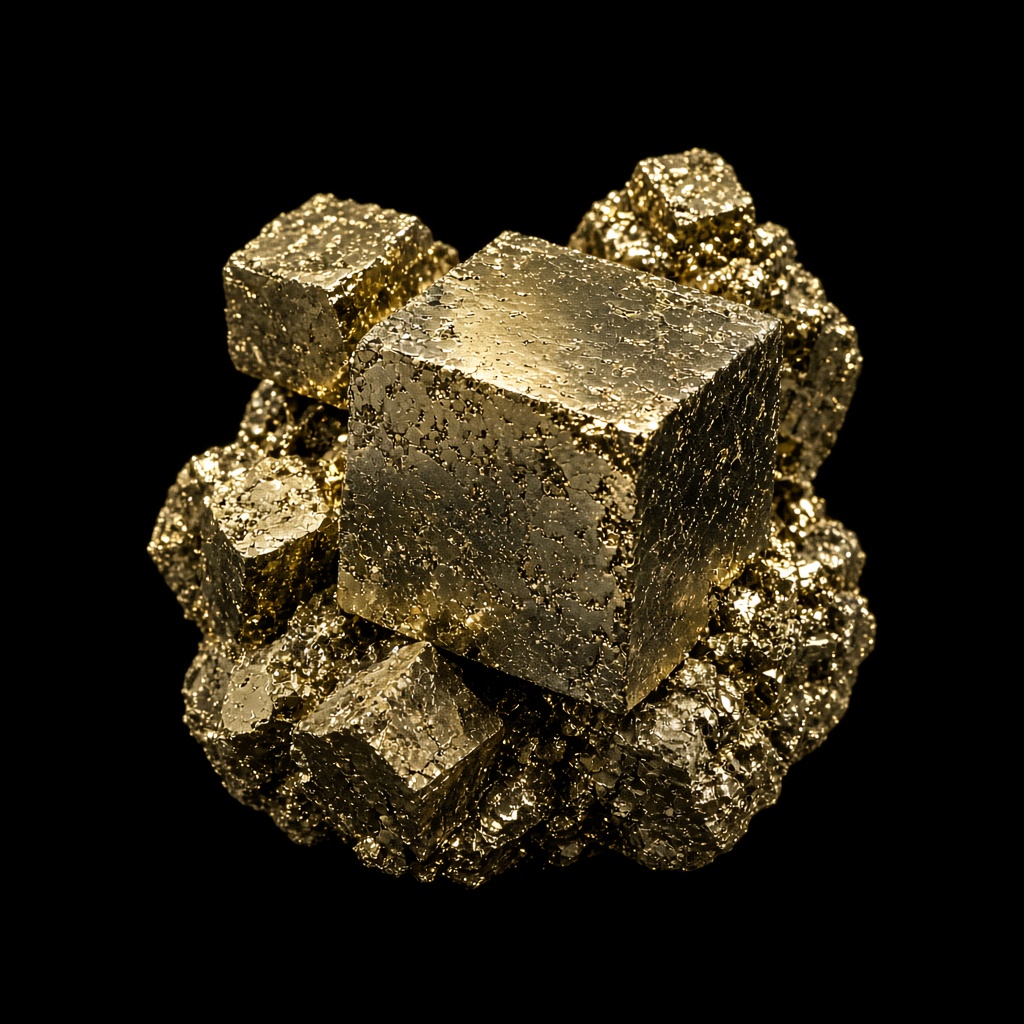
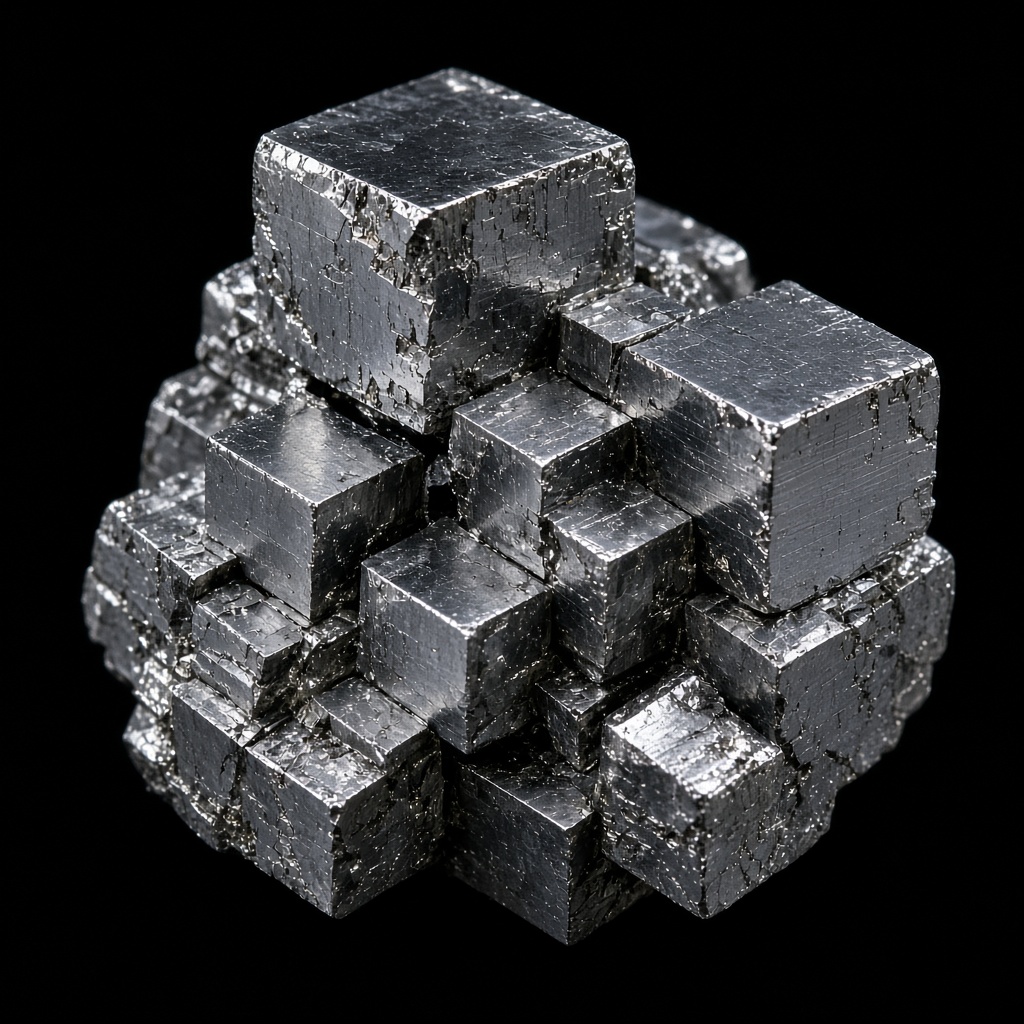
Primary lead ore — perfect cubic cleavage and extreme density.
Identify Galena with RockScanAbout Galena
Galena's bright metallic cubes and perfect cleavage are textbook ore ID. Extremely dense and soft. Often silver-bearing — historically a major silver source as well as lead. Fresh surfaces darken with time.
Galena belongs in a crystal identifier workflow because photo cues — color zoning, crystal habit, and surface luster — combine with measurable traits like Mohs 2.5 and specific gravity 7.4–7.6. Use RockScan’s camera to get a first-pass ID, then confirm with the checklist below.
Galena properties
| Mohs hardness | 2.5 |
|---|---|
| Crystal system | Cubic |
| Luster | Metallic |
| Color | Lead-gray |
| Composition | Lead sulfide |
| Formation | Hydrothermal veins and Mississippi Valley-type deposits |
| Occurrence | USA, Australia, China, Peru, Morocco |
| Specific gravity | 7.4–7.6 |
| Cleavage | Perfect cubic |
How to identify Galena
- Perfect cubic cleavage
- Very heavy (SG ~7.5)
- Soft; gray-black streak
Collector notes
- Often the chief silver ore historically via argentiferous galena
- Cubic crystals can look like metallic dice
Value context: Ore by Pb/Ag content; sharp cubic crystals are popular teaching specimens.
Galena FAQ
How do you identify Galena?
Galena (PbS) is typically recognized by lead-gray color, metallic luster, Mohs hardness 2.5, and cubic crystal system. RockScan can suggest Galena from a photo and surface these checks on the result card.
What is Galena made of?
Galena composition: Lead sulfide. It forms via hydrothermal veins and mississippi valley-type deposits and is found in USA, Australia, China, Peru, Morocco.
Is Galena valuable?
Ore by Pb/Ag content; sharp cubic crystals are popular teaching specimens.