Crystal & mineral guide
Magnetite
Fe₃O₄
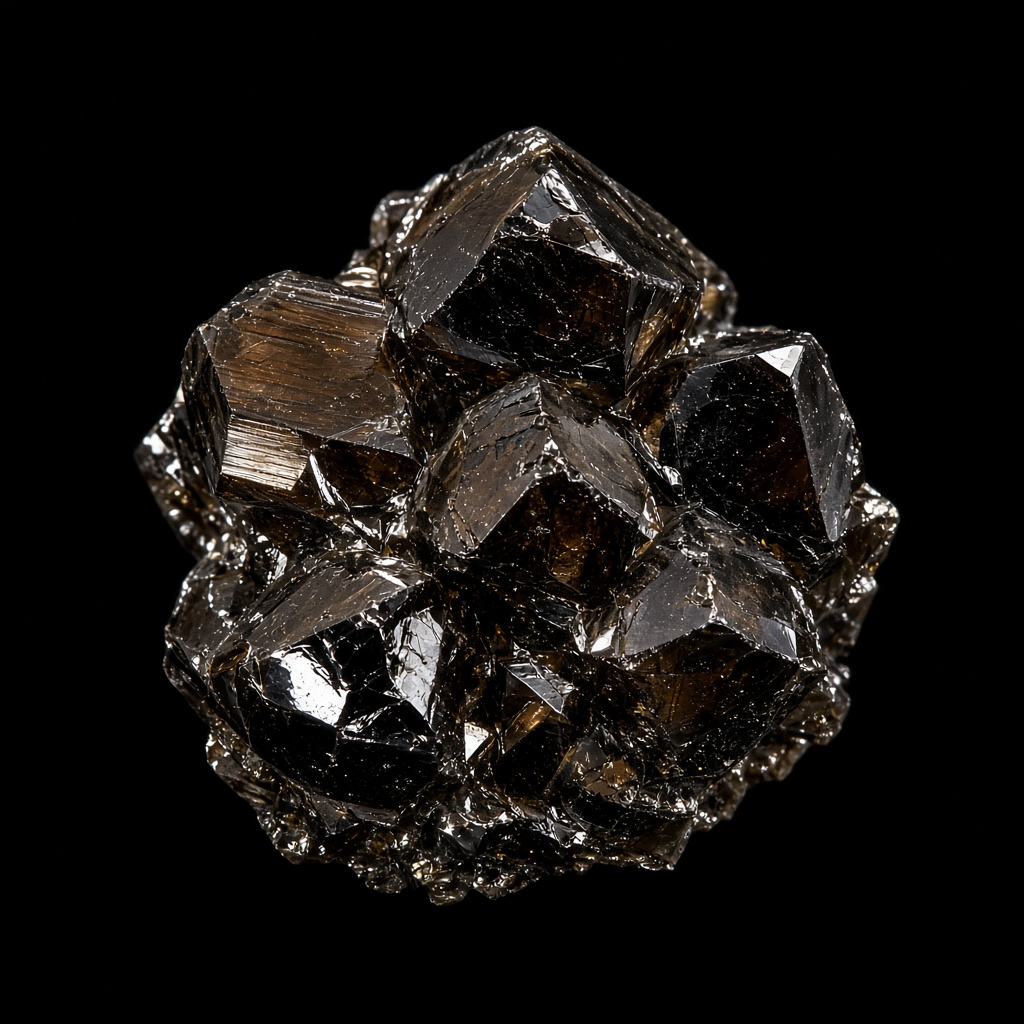
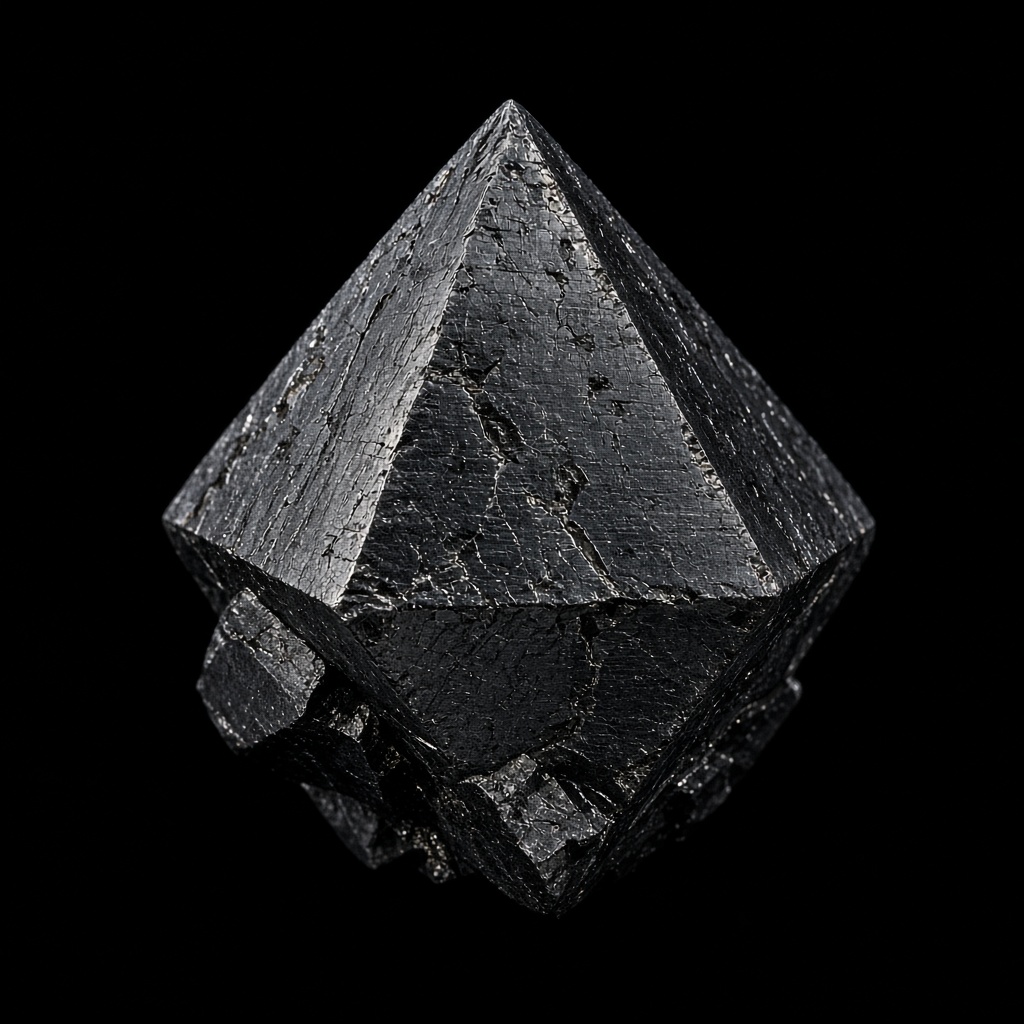
Strongly magnetic iron oxide ore — octahedral crystals classic.
Identify Magnetite with RockScanAbout Magnetite
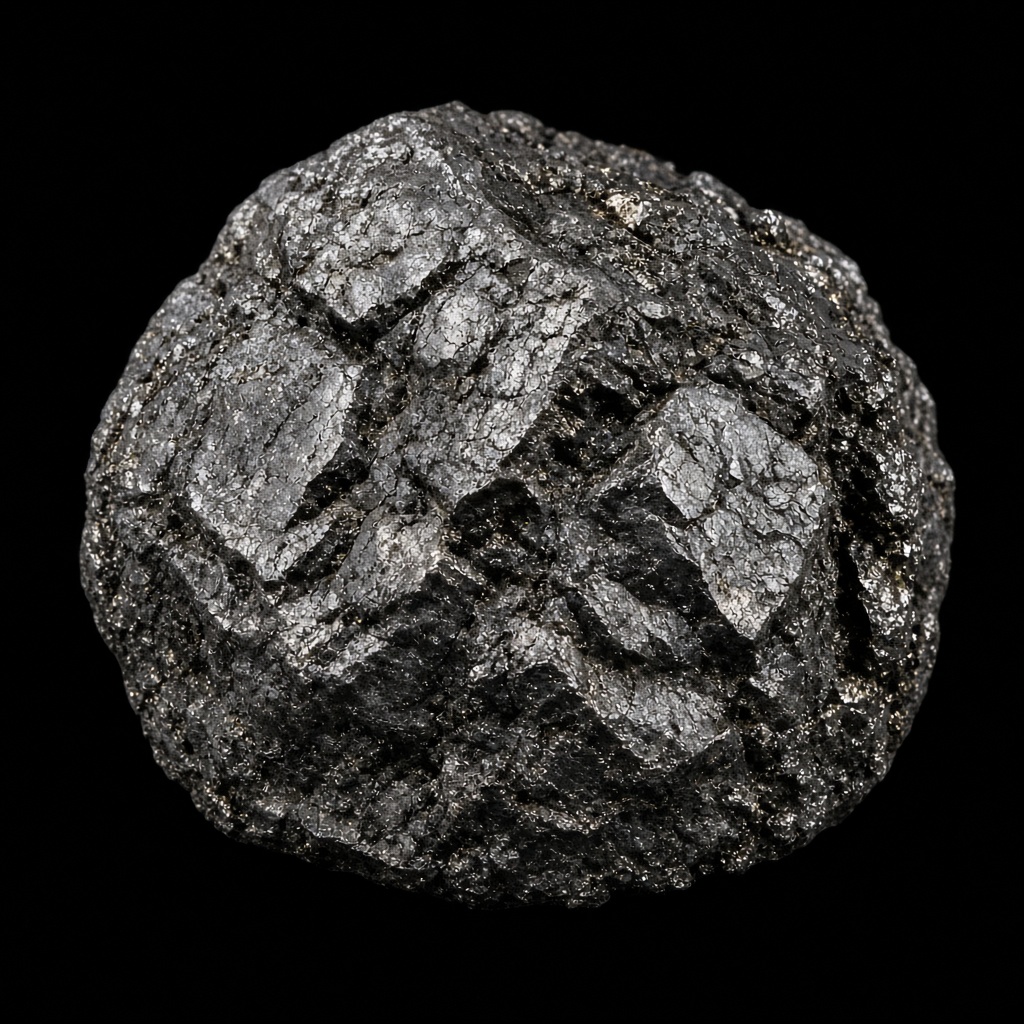
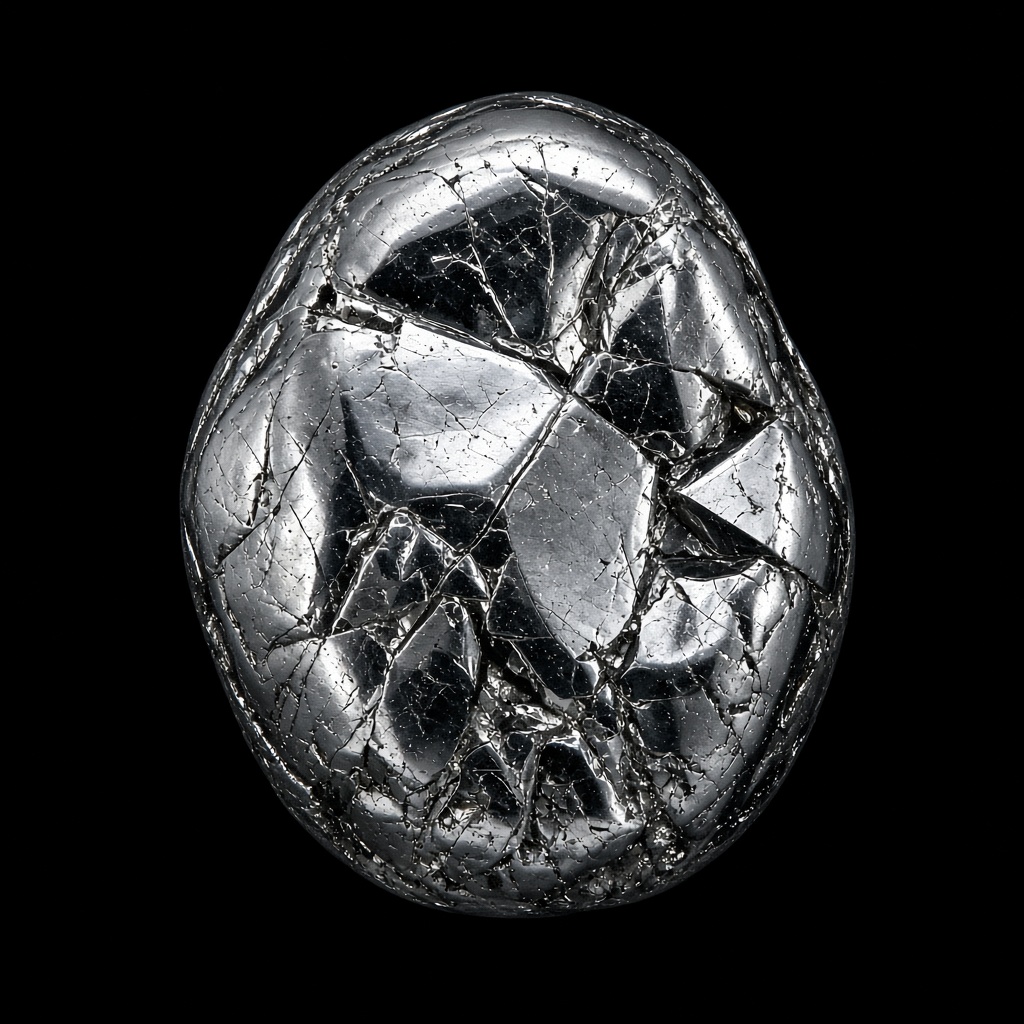
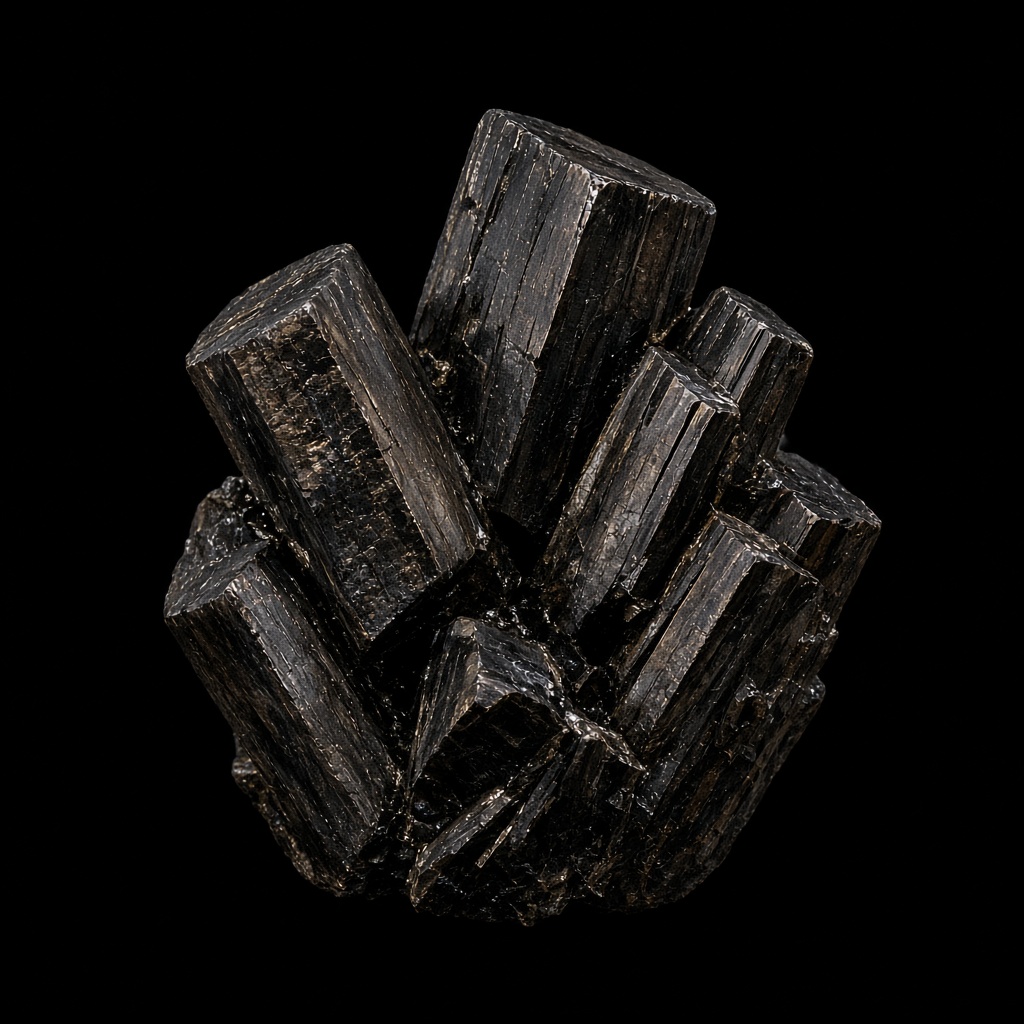
Magnetite is a major iron ore and the most magnetic common mineral. Octahedral crystals and lodestone (natural magnets) are distinctive. Black streak. Distinguished from hematite by magnetism and streak color.
Magnetite belongs in a crystal identifier workflow because photo cues — color zoning, crystal habit, and surface luster — combine with measurable traits like Mohs 5.5–6.5 and specific gravity 5.1–5.2. Use RockScan’s camera to get a first-pass ID, then confirm with the checklist below.
Magnetite properties
| Mohs hardness | 5.5–6.5 |
|---|---|
| Crystal system | Cubic |
| Luster | Metallic |
| Color | Black |
| Composition | Iron(II,III) oxide |
| Formation | Magmatic, metamorphic, and sedimentary iron deposits |
| Occurrence | Sweden, USA, Russia, Australia, South Africa |
| Specific gravity | 5.1–5.2 |
| Cleavage | None |
How to identify Magnetite
- Attracts a magnet strongly
- Black streak (vs hematite red)
- Octahedral crystals common
Collector notes
- Lodestone was humanity's first magnetic compass material
- Common in black beach sands worldwide
Value context: Ore by Fe content and beneficiation ease; crystals collected for teaching.
Magnetite FAQ
How do you identify Magnetite?
Magnetite (Fe₃O₄) is typically recognized by black color, metallic luster, Mohs hardness 5.5–6.5, and cubic crystal system. RockScan can suggest Magnetite from a photo and surface these checks on the result card.
What is Magnetite made of?
Magnetite composition: Iron(II,III) oxide. It forms via magmatic, metamorphic, and sedimentary iron deposits and is found in Sweden, USA, Russia, Australia, South Africa.
Is Magnetite valuable?
Ore by Fe content and beneficiation ease; crystals collected for teaching.