Crystal & mineral guide
Kunzite
LiAlSi₂O₆ (spodumene)
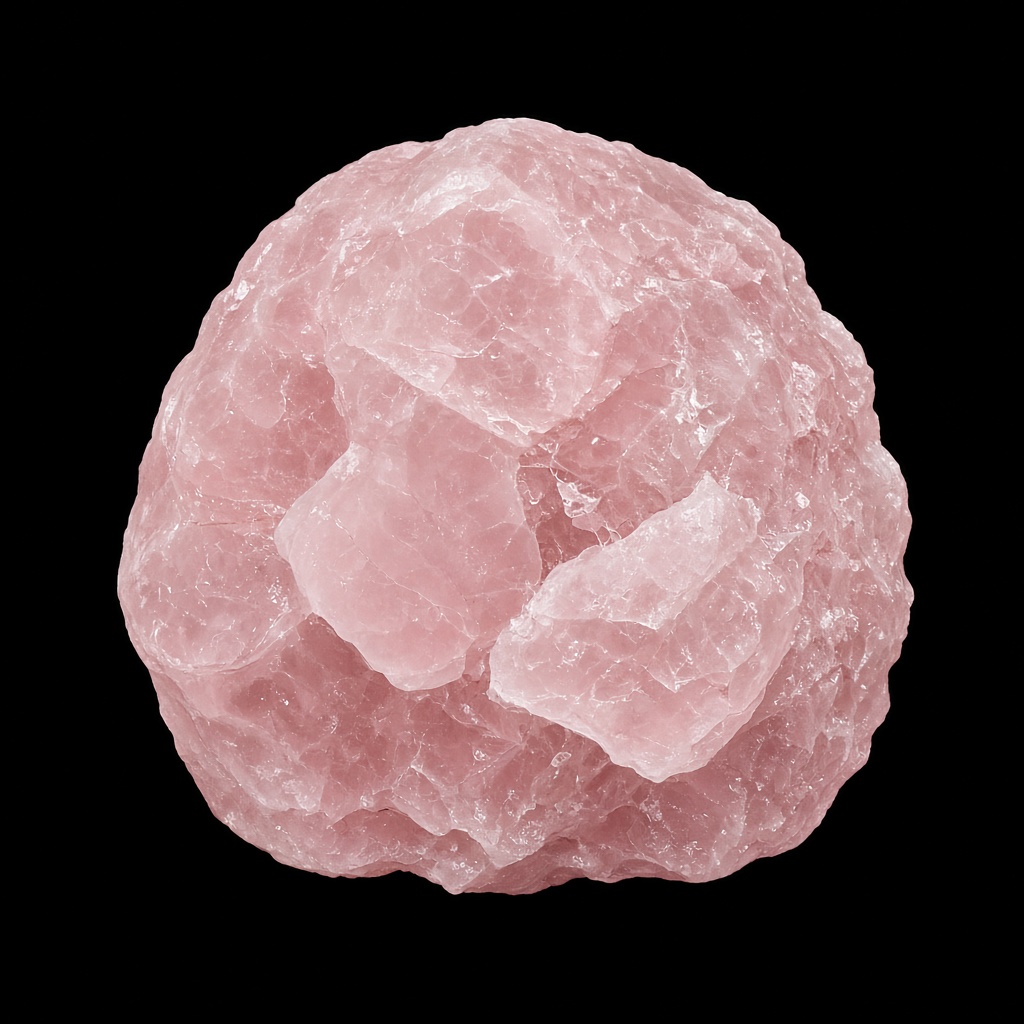
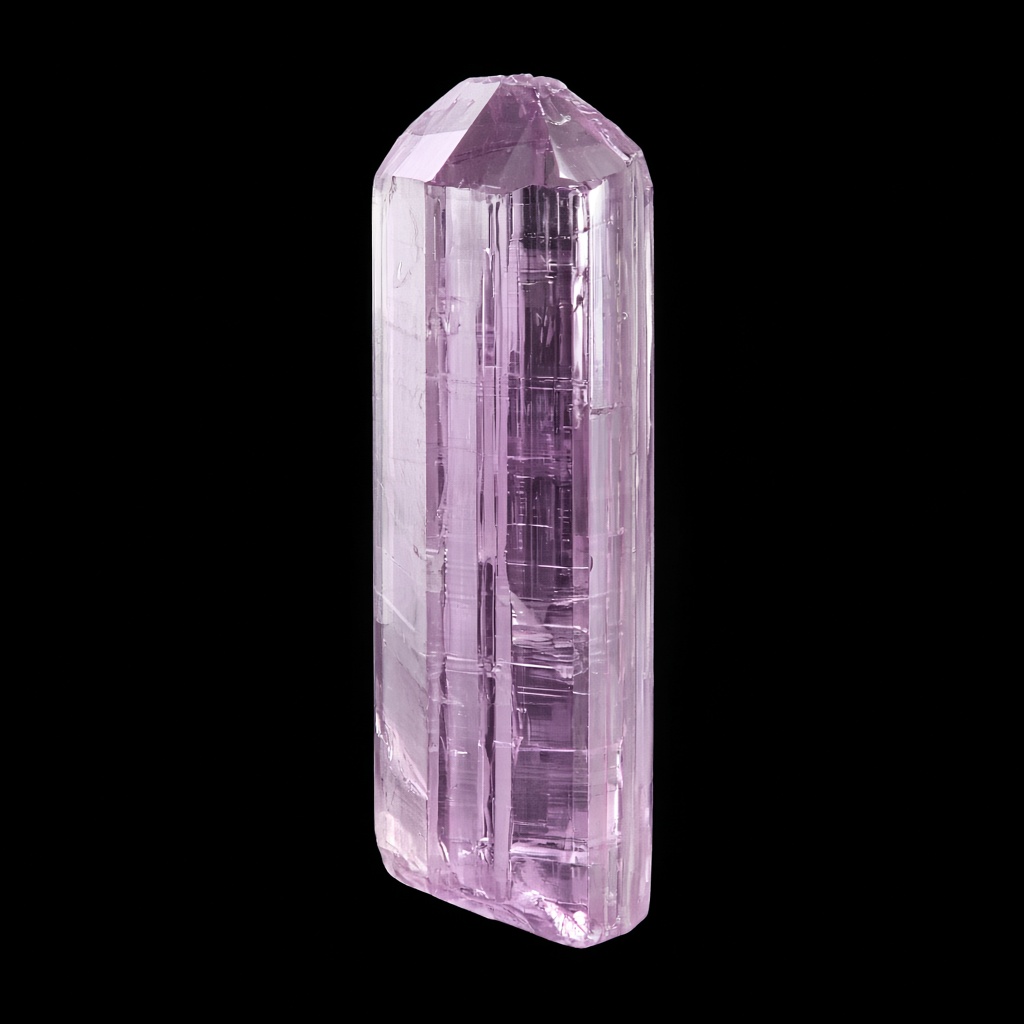
Lilac-pink spodumene — strongly pleochroic and cleavage-sensitive.
Identify Kunzite with RockScanAbout Kunzite
Kunzite shows strong pleochroism and perfect cleavage, so cutters orient for color and durability. Color can fade in prolonged strong sunlight. Afghan material supplies much of the fine lilac market.
Kunzite belongs in a crystal identifier workflow because photo cues — color zoning, crystal habit, and surface luster — combine with measurable traits like Mohs 6.5–7 and specific gravity 3.15–3.21. Use RockScan’s camera to get a first-pass ID, then confirm with the checklist below.
Kunzite properties
| Mohs hardness | 6.5–7 |
|---|---|
| Crystal system | Monoclinic |
| Luster | Vitreous |
| Color | Pink to lilac |
| Composition | Lithium aluminum silicate (spodumene variety) |
| Formation | Lithium-rich pegmatites |
| Occurrence | Afghanistan, Brazil, USA (California), Madagascar |
| Specific gravity | 3.15–3.21 |
| Cleavage | Perfect |
How to identify Kunzite
- Strong pleochroism (pink vs colorless)
- Perfect cleavage — fragile in rings
- SG ~3.18
Collector notes
- Named for gemologist George F. Kunz
- Hiddenite is the green chromium spodumene cousin
Value context: Deep lilac in large clean stones; advise clients on light sensitivity.
Kunzite FAQ
How do you identify Kunzite?
Kunzite (LiAlSi₂O₆ (spodumene)) is typically recognized by pink to lilac color, vitreous luster, Mohs hardness 6.5–7, and monoclinic crystal system. RockScan can suggest Kunzite from a photo and surface these checks on the result card.
What is Kunzite made of?
Kunzite composition: Lithium aluminum silicate (spodumene variety). It forms via lithium-rich pegmatites and is found in Afghanistan, Brazil, USA (California), Madagascar.
Is Kunzite valuable?
Deep lilac in large clean stones; advise clients on light sensitivity.