Crystal & mineral guide
Hematite
Fe₂O₃
Primary iron ore mineral — also cut as metallic gray beads and cabochons.
Identify Hematite with RockScanAbout Hematite
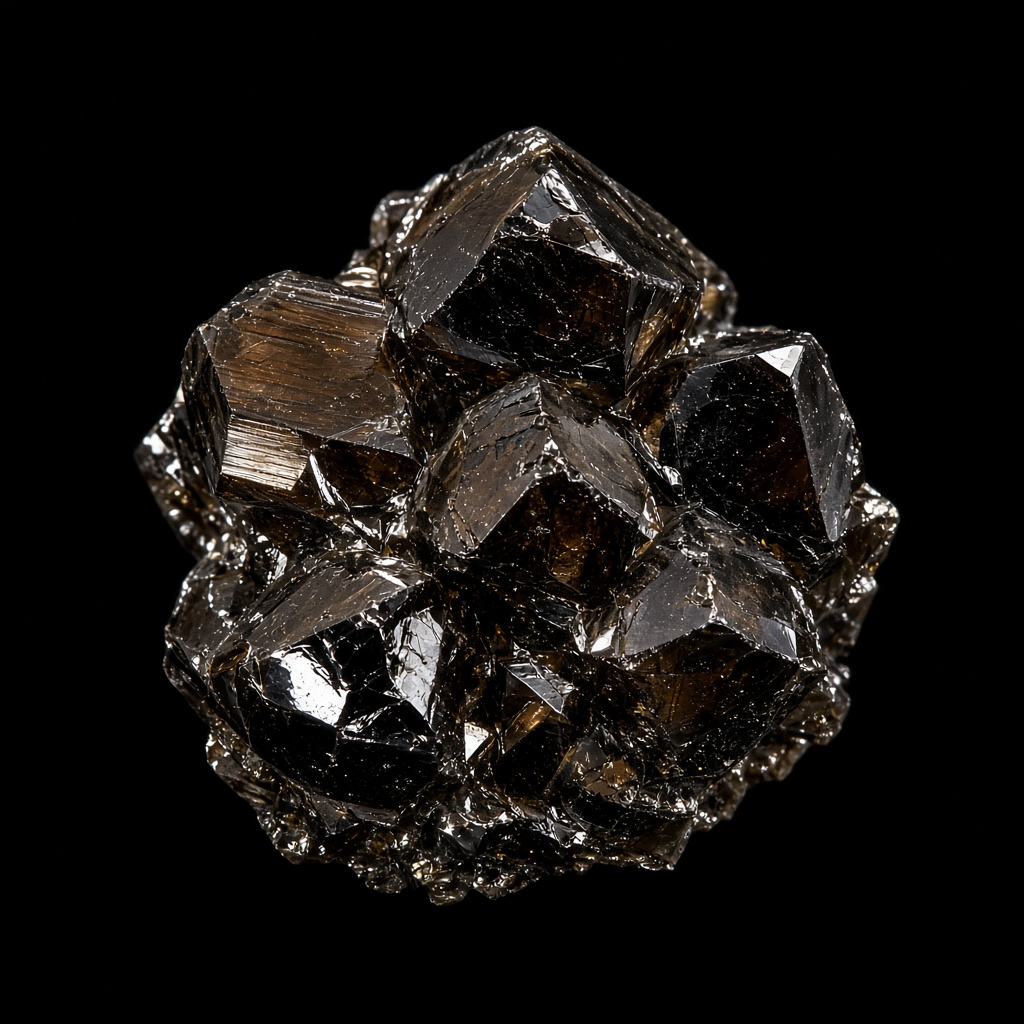
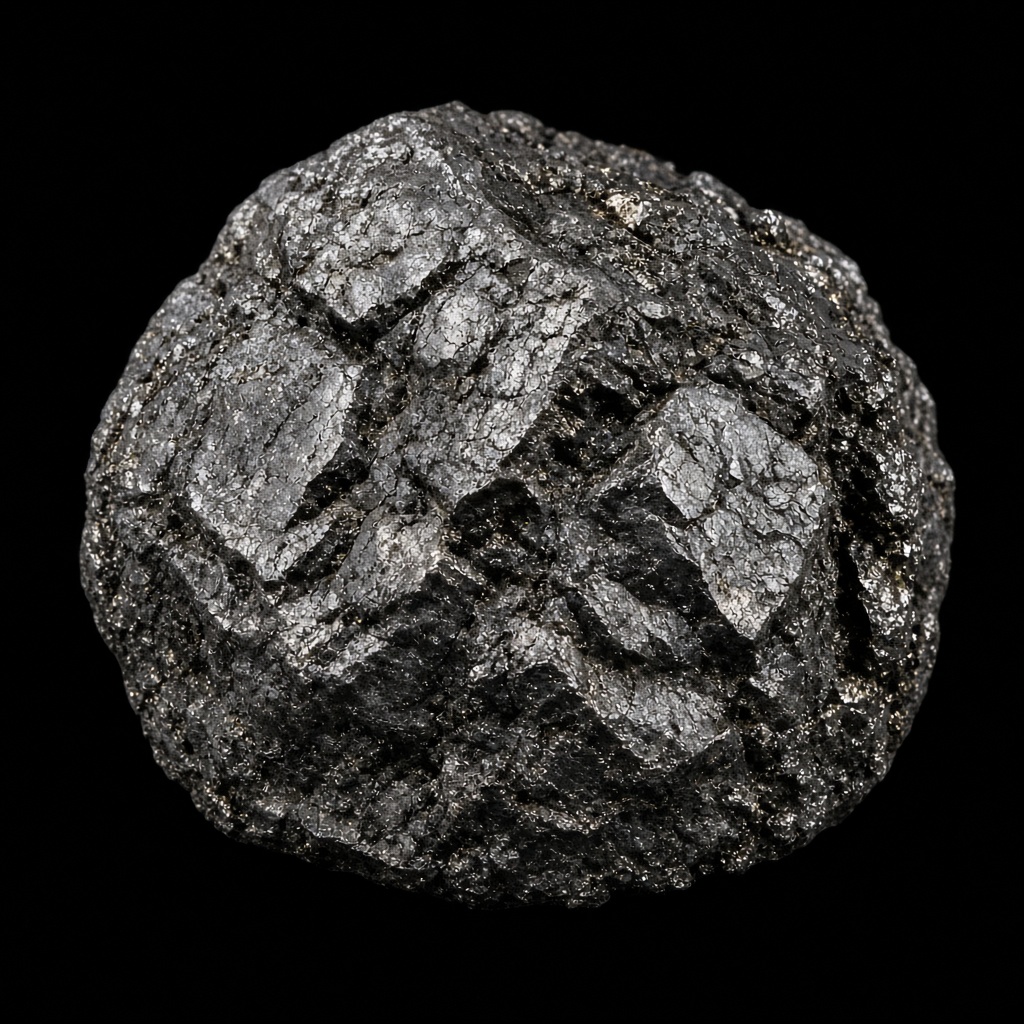
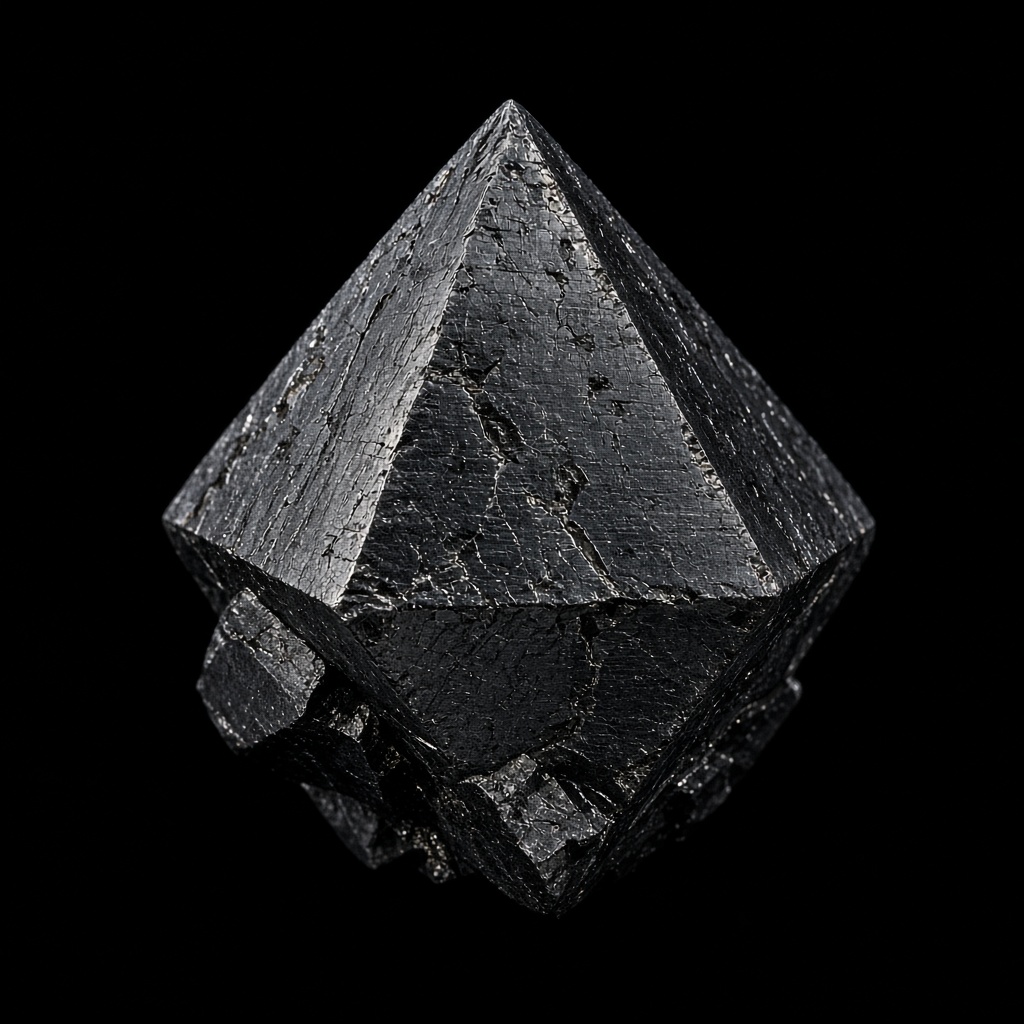
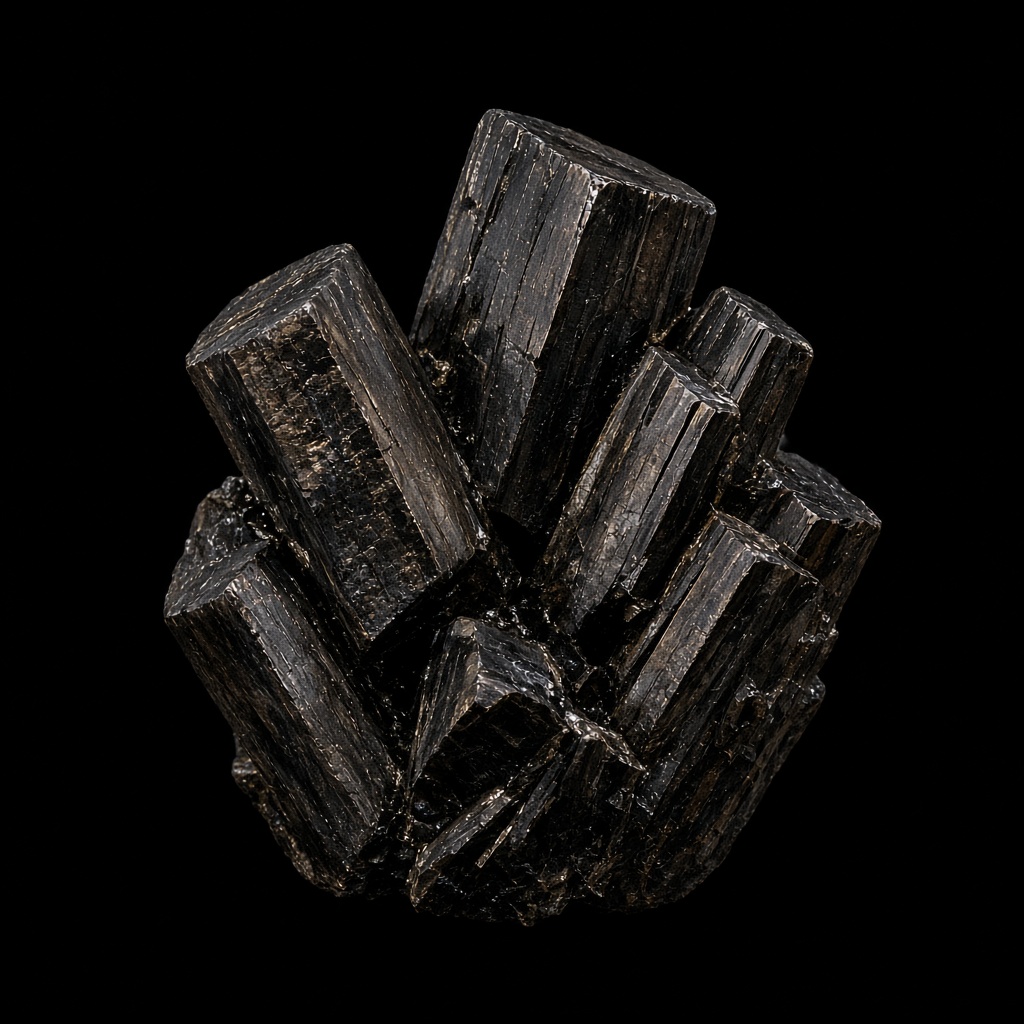
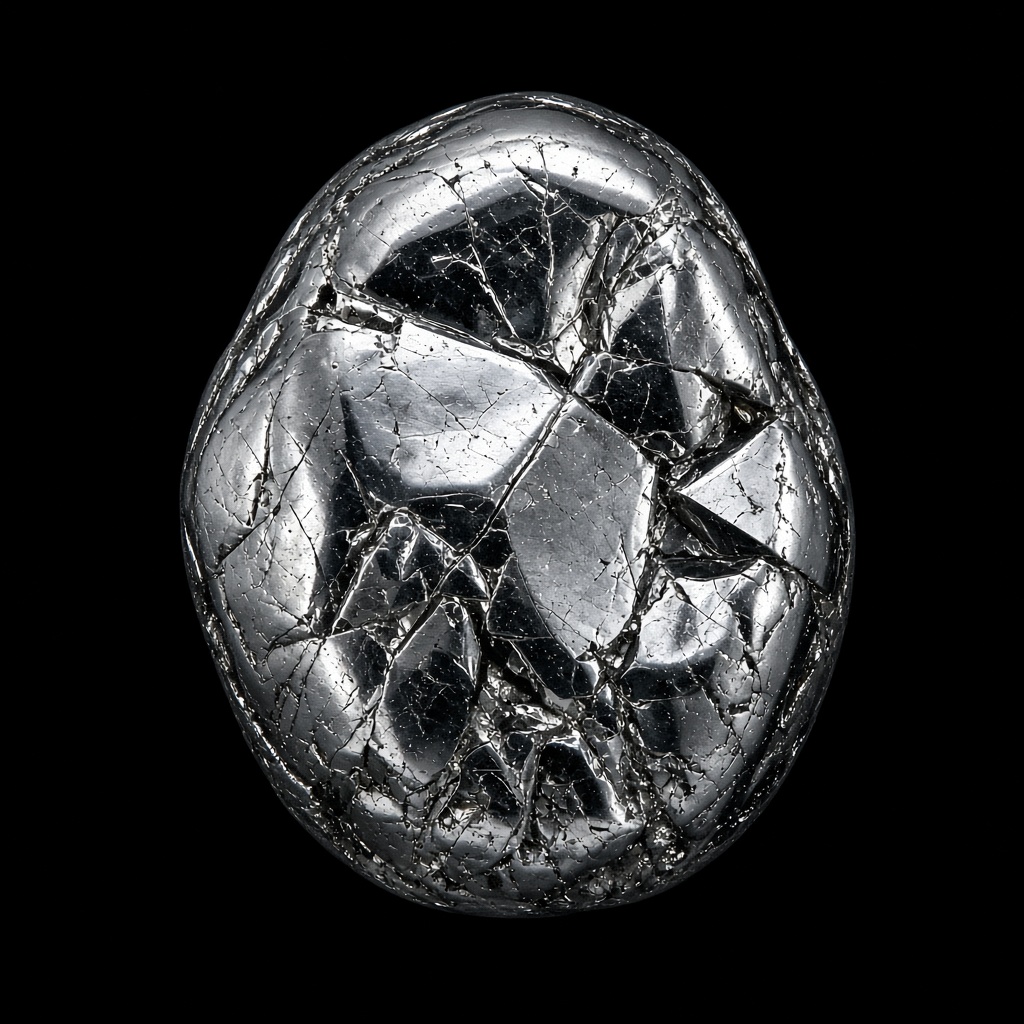
Hematite is the world's main iron ore. Specular hematite shows bright metallic plates; massive material is cut into heavy metallic jewelry. Diagnostic cherry-red streak separates it from similar dark minerals. Dense feel is immediate in hand.
Hematite belongs in a crystal identifier workflow because photo cues — color zoning, crystal habit, and surface luster — combine with measurable traits like Mohs 5–6 and specific gravity 4.9–5.3. Use RockScan’s camera to get a first-pass ID, then confirm with the checklist below.
Hematite properties
| Mohs hardness | 5–6 |
|---|---|
| Crystal system | Trigonal |
| Luster | Metallic to dull earthy |
| Color | Steel-gray to black; red streak |
| Composition | Iron(III) oxide |
| Formation | Sedimentary BIFs, hydrothermal, and metamorphic deposits |
| Occurrence | Worldwide; Brazil, Australia, USA, UK (specular) |
| Specific gravity | 4.9–5.3 |
| Cleavage | None (parting possible) |
How to identify Hematite
- Cherry-red streak on unglazed porcelain
- High SG — notably heavy
- Metallic gray polish vs red earthy varieties
Collector notes
- Name from Greek 'haima' — blood, for the red streak
- Banded iron formations record early Earth oxygen rise
Value context: Ore grades by Fe content; jewelry values bright metallic polish and weight.
Hematite FAQ
How do you identify Hematite?
Hematite (Fe₂O₃) is typically recognized by steel-gray to black; red streak color, metallic to dull earthy luster, Mohs hardness 5–6, and trigonal crystal system. RockScan can suggest Hematite from a photo and surface these checks on the result card.
What is Hematite made of?
Hematite composition: Iron(III) oxide. It forms via sedimentary bifs, hydrothermal, and metamorphic deposits and is found in Worldwide; Brazil, Australia, USA, UK (specular).
Is Hematite valuable?
Ore grades by Fe content; jewelry values bright metallic polish and weight.