Crystal & mineral guide
Gabbro
Mafic intrusive rock
Coarse mafic intrusive equivalent of basalt — dense dark rock.
Identify Gabbro with RockScanAbout Gabbro
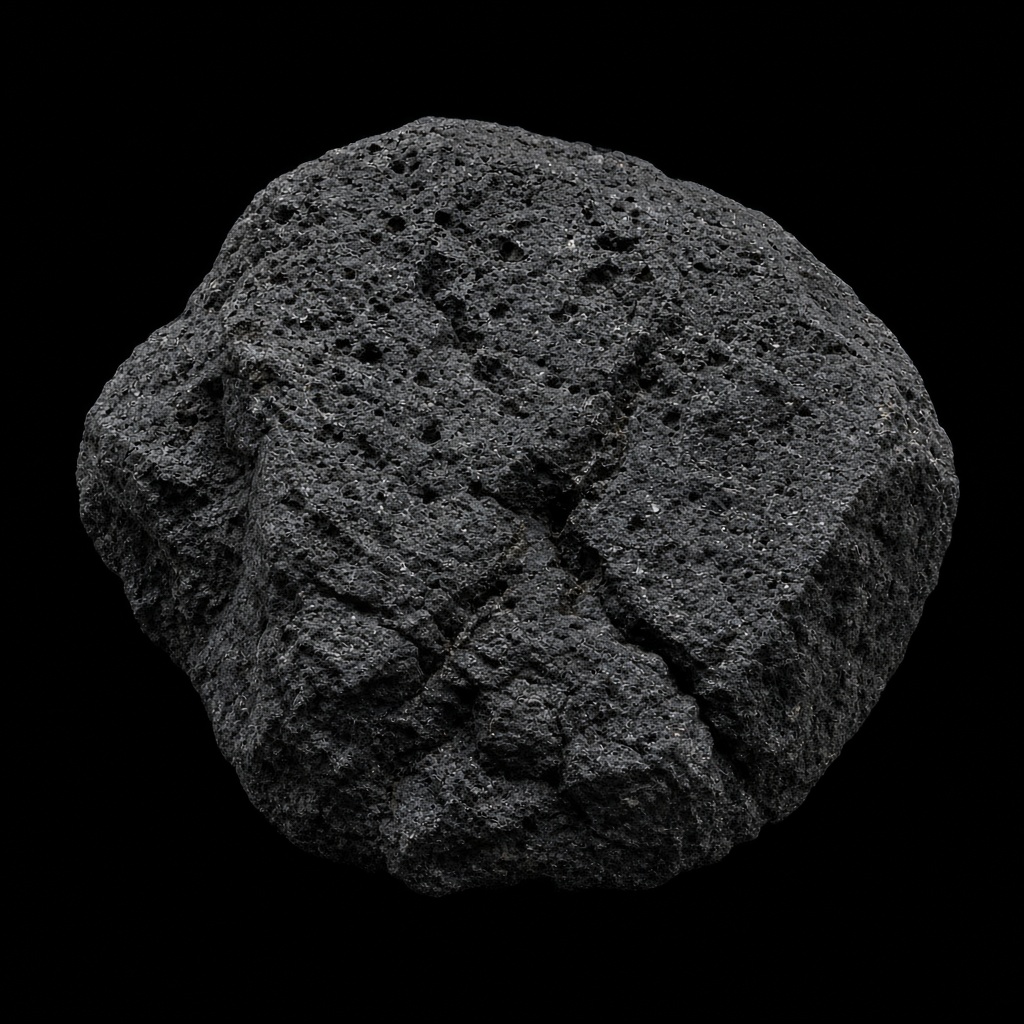
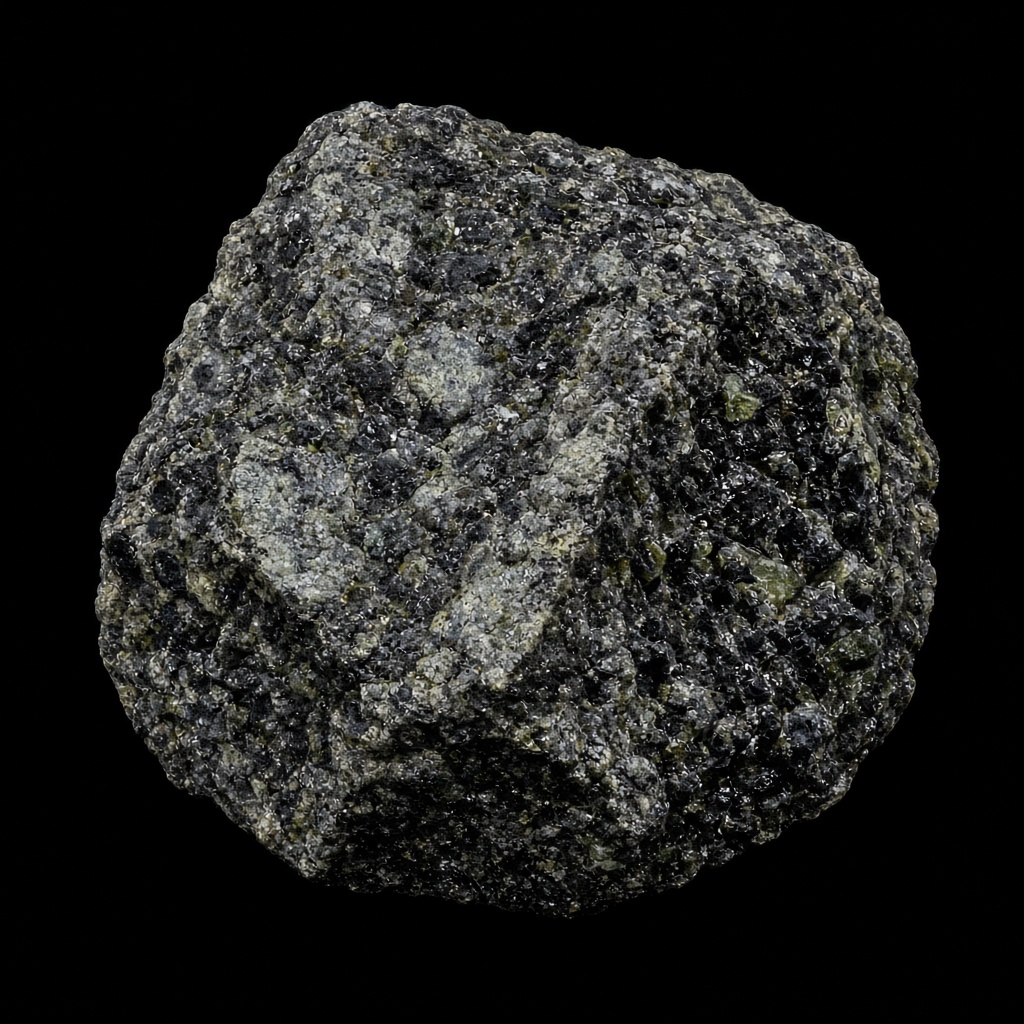
Gabbro is the plutonic cousin of basalt: coarse dark interlocking plagioclase and pyroxene. Forms significant parts of oceanic crust and layered intrusions that may host chromite/PGE ores. Heavier and darker than granite.
Gabbro belongs in a crystal identifier workflow because photo cues — color zoning, crystal habit, and surface luster — combine with measurable traits like Mohs 5–6 (aggregate) and specific gravity 2.9–3.2. Use RockScan’s camera to get a first-pass ID, then confirm with the checklist below.
Gabbro properties
| Mohs hardness | 5–6 (aggregate) |
|---|---|
| Crystal system | Phaneritic aggregate |
| Luster | Vitreous to dull |
| Color | Dark gray to black-green |
| Composition | Plagioclase + pyroxene ± olivine (basalt chemistry) |
| Formation | Slow cooling of mafic magma at depth |
| Occurrence | Layered intrusions, ophiolites, oceanic crust Layer 3 |
| Specific gravity | 2.9–3.2 |
| Cleavage | None |
How to identify Gabbro
- Coarse dark rock without quartz
- Dense feel
- Green-black pyroxene + pale plagioclase
Collector notes
- Oceanic Layer 3 is largely gabbroic
- Some ornamental 'black granite' is actually gabbro
Value context: Dimension stone and aggregate; ore-hosting gabbros valued for mineralization.
Gabbro FAQ
How do you identify Gabbro?
Gabbro (Mafic intrusive rock) is typically recognized by dark gray to black-green color, vitreous to dull luster, Mohs hardness 5–6 (aggregate), and phaneritic aggregate crystal system. RockScan can suggest Gabbro from a photo and surface these checks on the result card.
What is Gabbro made of?
Gabbro composition: Plagioclase + pyroxene ± olivine (basalt chemistry). It forms via slow cooling of mafic magma at depth and is found in Layered intrusions, ophiolites, oceanic crust Layer 3.
Is Gabbro valuable?
Dimension stone and aggregate; ore-hosting gabbros valued for mineralization.