Mineral guide
How to Identify Chrysoberyl
BeAl2O4
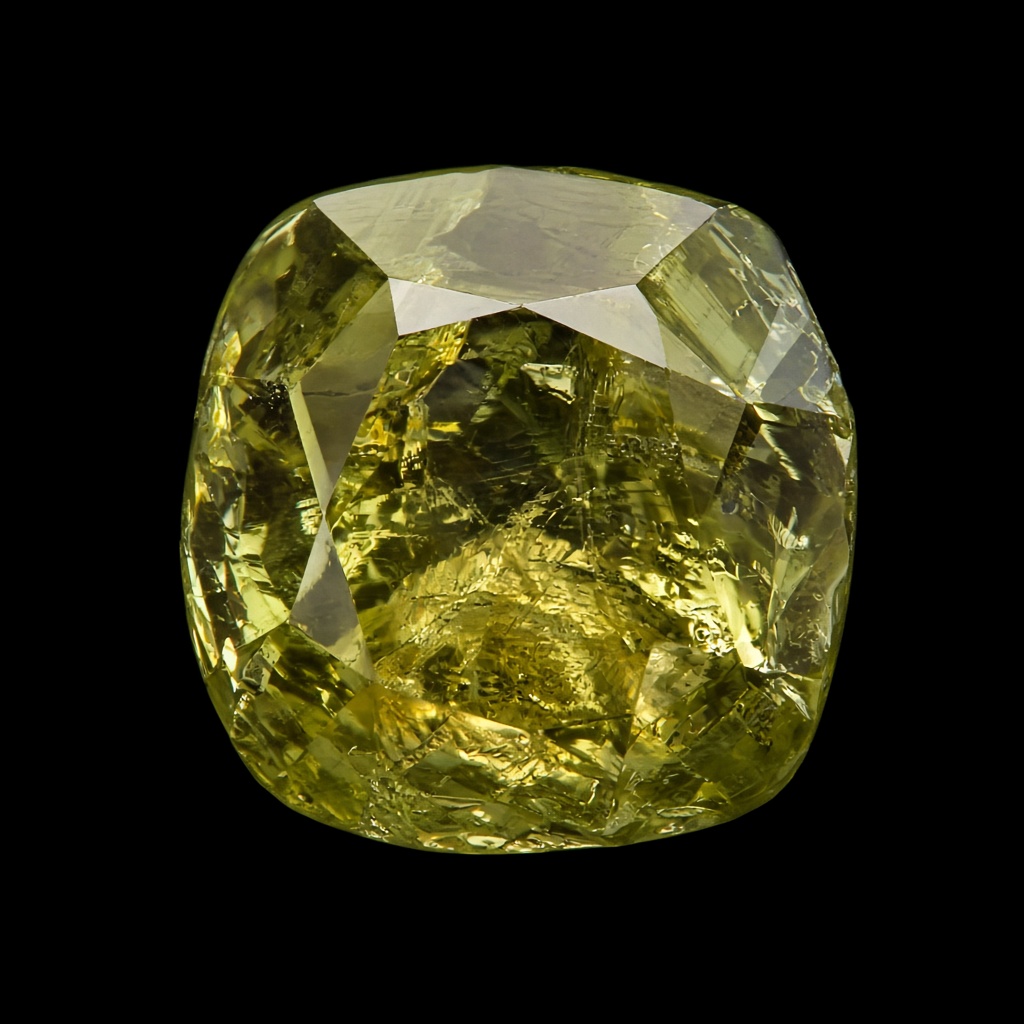
Chrysoberyl is a beryllium aluminum oxide gem mineral at Mohs 8.5, famed for cat's-eye chatoyancy (cymophane) and its color-change variety alexandrite. Identify it by hardness near corundum, vitreous-to-oily luster, and orthorhombic crystal habit — and always separate it from yellow sapphire and glass.
About Chrysoberyl
Chrysoberyl is a beryllium aluminum oxide gem mineral at Mohs 8.5, famed for cat's-eye chatoyancy (cymophane) and its color-change variety alexandrite. Identify it by hardness near corundum, vitreous-to-oily luster, and orthorhombic crystal habit — and always separate it from yellow sapphire and glass.
Chrysoberyl is filed under minerals in the RockScan directory. Composition: Beryllium aluminum oxide. It forms via granitic pegmatites and high-grade metamorphic rocks. Typical occurrence: Brazil, Sri Lanka, Tanzania, Madagascar. For the broader method, see how to identify rock types.
Chrysoberyl properties
| Mohs hardness | 8.5 |
|---|---|
| Class | mineral |
| Scientific name | BeAl2O4 |
| Color | Honey yellow to green-yellow |
| Luster | Vitreous to oily |
| Crystal system / texture | Orthorhombic |
| Composition | Beryllium aluminum oxide |
| Formation | Granitic pegmatites and high-grade metamorphic rocks |
| Occurrence | Brazil, Sri Lanka, Tanzania, Madagascar |
How to identify Chrysoberyl
- Honey-yellow to green-yellow with vitreous luster.
- Mohs 8.5: scratches quartz easily, only corundum and diamond scratch it.
- Cymophane shows a sharp light band that glides as the stone tilts.
Lookalikes to rule out
- Yellow sapphire: Sapphire shows different crystal habit and higher prestige pricing; chrysoberyl has a distinctive oily luster and orthorhombic twins.
- Golden beryl (heliodor): Heliodor is true beryl (hexagonal); chrysoberyl is beryllium aluminum oxide, orthorhombic, and harder at Mohs 8.5.
- Glass imitation: Glass lacks the sharp chatoyant band of cymophane and shows swirl marks or bubbles under a loupe.
Photo tips for Chrysoberyl ID
- Tilt the stone under a single light to catch the cat's-eye band moving.
- Photograph alexandrite candidates twice: daylight and warm indoor light.
- Include a coin for scale; fine chatoyancy needs macro distance.
Snap one specimen in natural light, then open the result in the online studio or the rock identifier app.
Chrysoberyl FAQ
How do you identify chrysoberyl?
Yellow-green color, Mohs 8.5, and orthorhombic habit; cat's-eye pieces show a moving chatoyant band.
Chrysoberyl vs yellow sapphire?
Sapphire is corundum with different habit; chrysoberyl is harder than beryl but softer than sapphire at 9.
What is alexandrite?
The color-change variety of chrysoberyl: green in daylight, red under warm light.
Is chrysoberyl valuable?
Fine cat's-eye and alexandrite command strong prices; plain yellow stones are modest.
How to identify chrysoberyl
Chrysoberyl queries are mostly buy-or-verify checks. Use this checklist:
- Color + luster: honey-yellow to green-yellow with a vitreous, almost oily shine.
- Hardness: Mohs 8.5: it scratches quartz and topaz but not sapphire.
- Cat's-eye test: a single sharp band gliding as the stone tilts means cymophane.
- Color change: green in daylight shifting red indoors means alexandrite variety.
- Photo first: tilt shots under one lamp, then RockScan and the dealer loupe check.
Chrysoberyl vs yellow sapphire vs heliodor vs glass
- Yellow sapphire: corundum, Mohs 9, different habit and typically higher price.
- Golden beryl: hexagonal true beryl, softer at 7.5-8, often more included.
- Glass: no chatoyancy, bubbles or swirls under magnification.
Photo tips for chrysoberyl ID
One-lamp tilt shots beat flat scans for chatoyancy. Compare quartz and fluorite hardness references, then confirm in the online studio or rock identifier app.
Related minerals to compare
Browse all: rocks · minerals · crystals · directory · what rock is this · rock vs mineral vs crystal. Confirm with the online studio or rock identifier app.