Crystal & mineral guide
Wulfenite
PbMoO₄
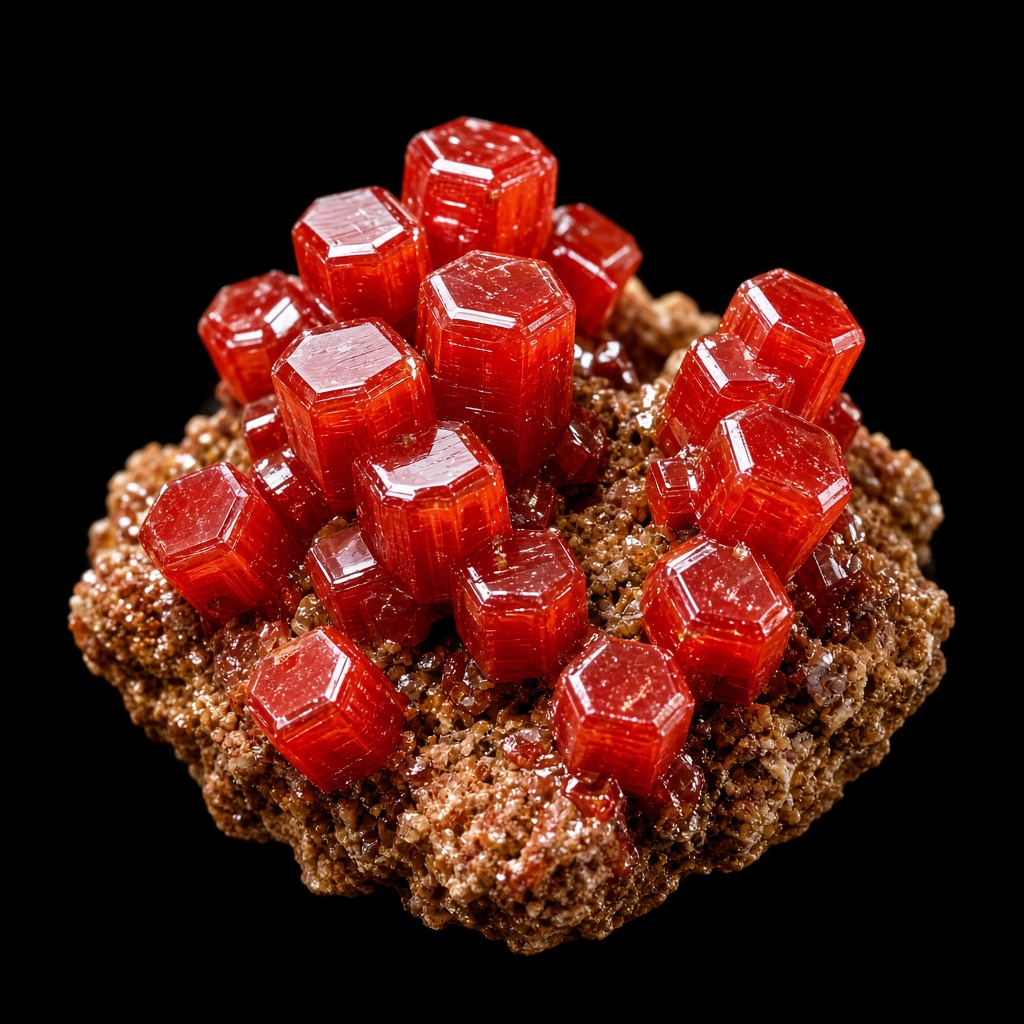
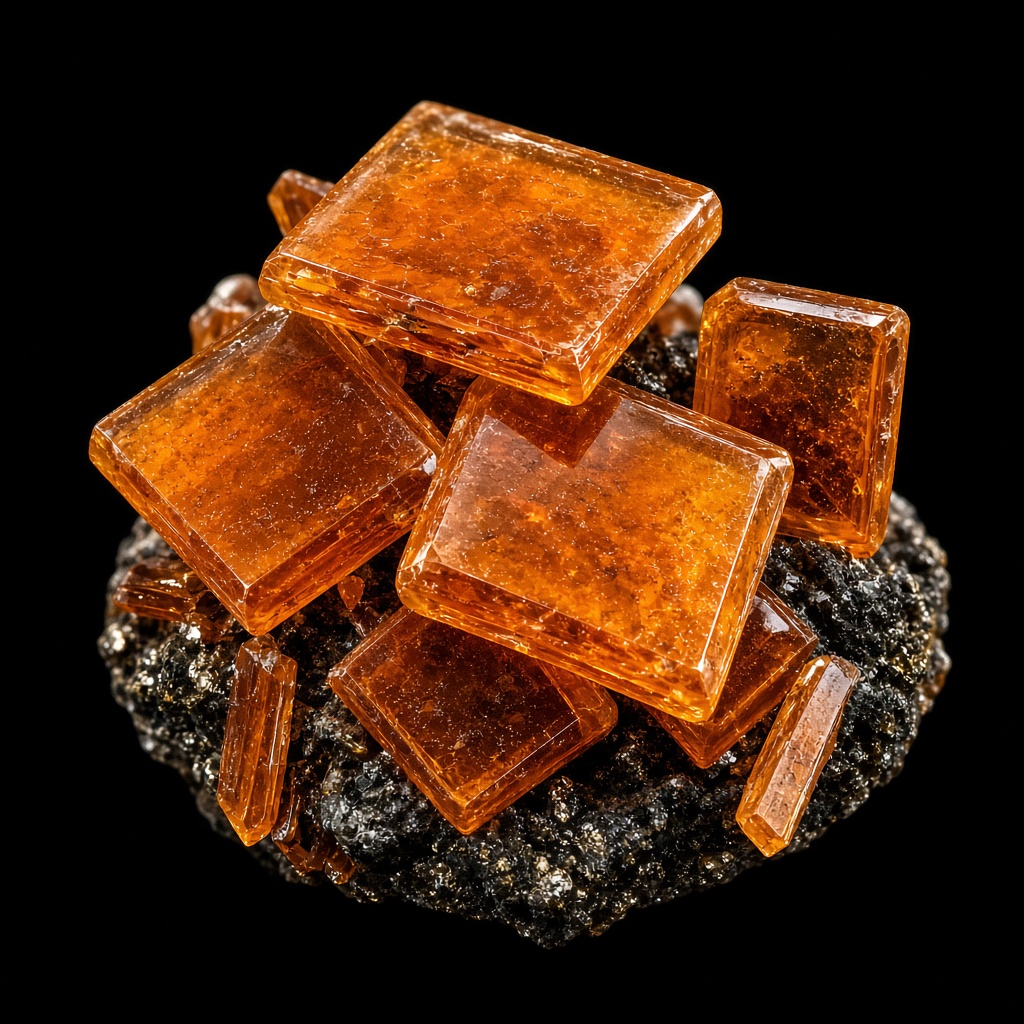
Thin orange tabular lead molybdate — iconic Arizona collector mineral.
Identify Wulfenite with RockScanAbout Wulfenite
Wulfenite forms thin square orange tables with adamantine flash. Soft and fragile. Minor molybdenum ore in some districts; mainly collected. Red Cloud (Arizona) and Mexican localities are legendary.
Wulfenite belongs in a crystal identifier workflow because photo cues — color zoning, crystal habit, and surface luster — combine with measurable traits like Mohs 2.5–3 and specific gravity 6.5–7.0. Use RockScan’s camera to get a first-pass ID, then confirm with the checklist below.
Wulfenite properties
| Mohs hardness | 2.5–3 |
|---|---|
| Crystal system | Tetragonal |
| Luster | Adamantine to resinous |
| Color | Orange, yellow, red-brown |
| Composition | Lead molybdate |
| Formation | Oxidation zones of lead-molybdenum deposits |
| Occurrence | Arizona, Mexico, Slovenia, Morocco, China |
| Specific gravity | 6.5–7.0 |
| Cleavage | Distinct |
How to identify Wulfenite
- Thin orange square tables
- Adamantine luster; very soft
- High SG
Collector notes
- Named for Austrian mineralogist Franz Xavier von Wulfen
- Red Cloud Mine wulfenite is a US mineral icon
Value context: Undamaged transparent orange tables on matrix are top-tier specimens.
Wulfenite FAQ
How do you identify Wulfenite?
Wulfenite (PbMoO₄) is typically recognized by orange, yellow, red-brown color, adamantine to resinous luster, Mohs hardness 2.5–3, and tetragonal crystal system. RockScan can suggest Wulfenite from a photo and surface these checks on the result card.
What is Wulfenite made of?
Wulfenite composition: Lead molybdate. It forms via oxidation zones of lead-molybdenum deposits and is found in Arizona, Mexico, Slovenia, Morocco, China.
Is Wulfenite valuable?
Undamaged transparent orange tables on matrix are top-tier specimens.