Crystal & mineral guide
Native Gold
Au
Native precious metal — soft, dense, malleable; the ultimate ore commodity.
Identify Native Gold with RockScanAbout Native Gold
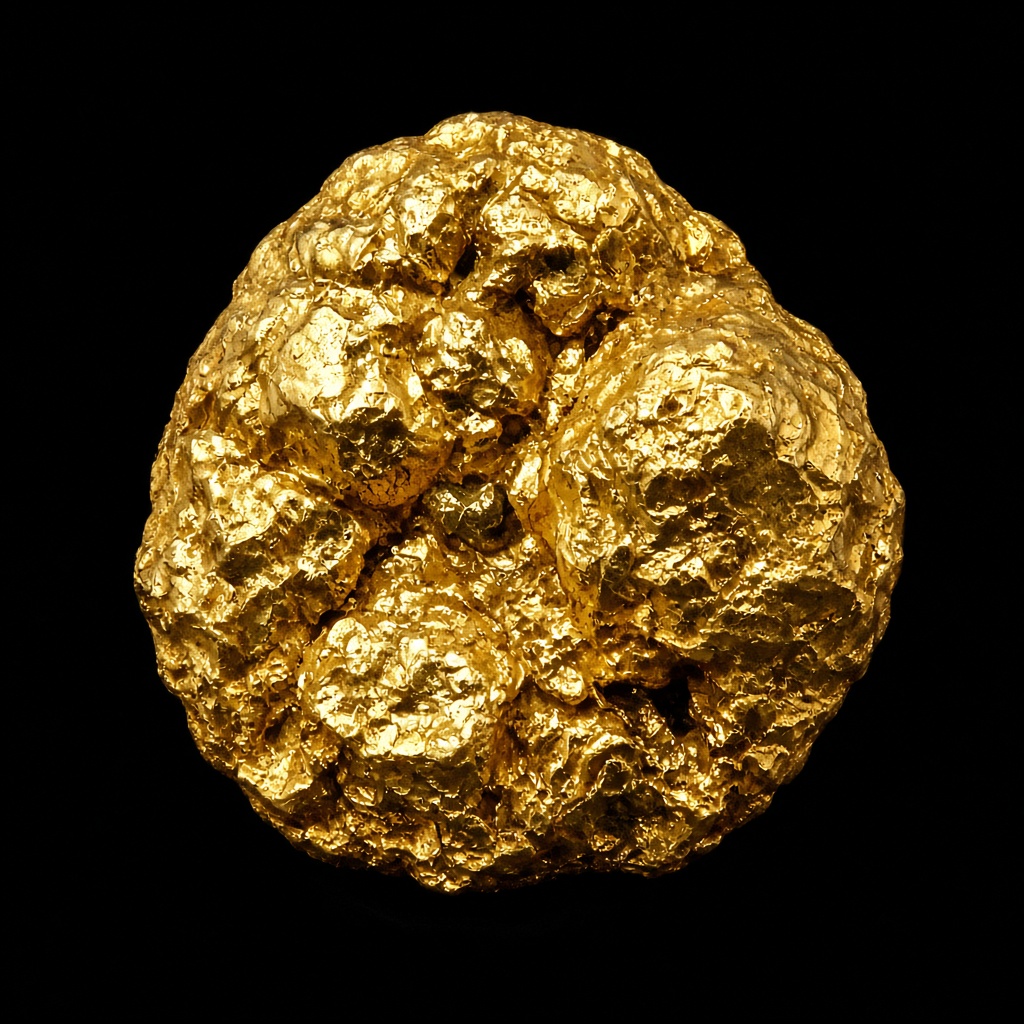
Native gold is instantly told from pyrite by color, malleability, and extreme density. Forms nuggets, wires, and crystalline leaves in veins and placers. Gulf and global bullion markets price by purity (karat/fineness); specimen leaf gold is collected separately from refined bars.
Native Gold belongs in a crystal identifier workflow because photo cues — color zoning, crystal habit, and surface luster — combine with measurable traits like Mohs 2.5–3 and specific gravity 15–19.3. Use RockScan’s camera to get a first-pass ID, then confirm with the checklist below.
Native Gold properties
| Mohs hardness | 2.5–3 |
|---|---|
| Crystal system | Cubic |
| Luster | Metallic |
| Color | Rich yellow to pale yellow (Ag alloy) |
| Composition | Elemental gold, often alloyed with silver |
| Formation | Hydrothermal veins and placer concentrations |
| Occurrence | Worldwide; South Africa, Russia, Australia, USA, Ghana |
| Specific gravity | 15–19.3 |
| Cleavage | None |
How to identify Native Gold
- Soft and malleable — dents with a pin
- Extreme density (SG up to 19.3)
- No crystal cubes like pyrite; yellow streak
Collector notes
- One of the few metals found native in nature at scale
- Electrum is natural Au-Ag alloy
Value context: Bullion by spot purity; crystallized specimen gold can exceed melt value.
Native Gold FAQ
How do you identify Native Gold?
Native Gold (Au) is typically recognized by rich yellow to pale yellow (ag alloy) color, metallic luster, Mohs hardness 2.5–3, and cubic crystal system. RockScan can suggest Native Gold from a photo and surface these checks on the result card.
What is Native Gold made of?
Native Gold composition: Elemental gold, often alloyed with silver. It forms via hydrothermal veins and placer concentrations and is found in Worldwide; South Africa, Russia, Australia, USA, Ghana.
Is Native Gold valuable?
Bullion by spot purity; crystallized specimen gold can exceed melt value.