Crystal & mineral guide
Native Copper
Cu
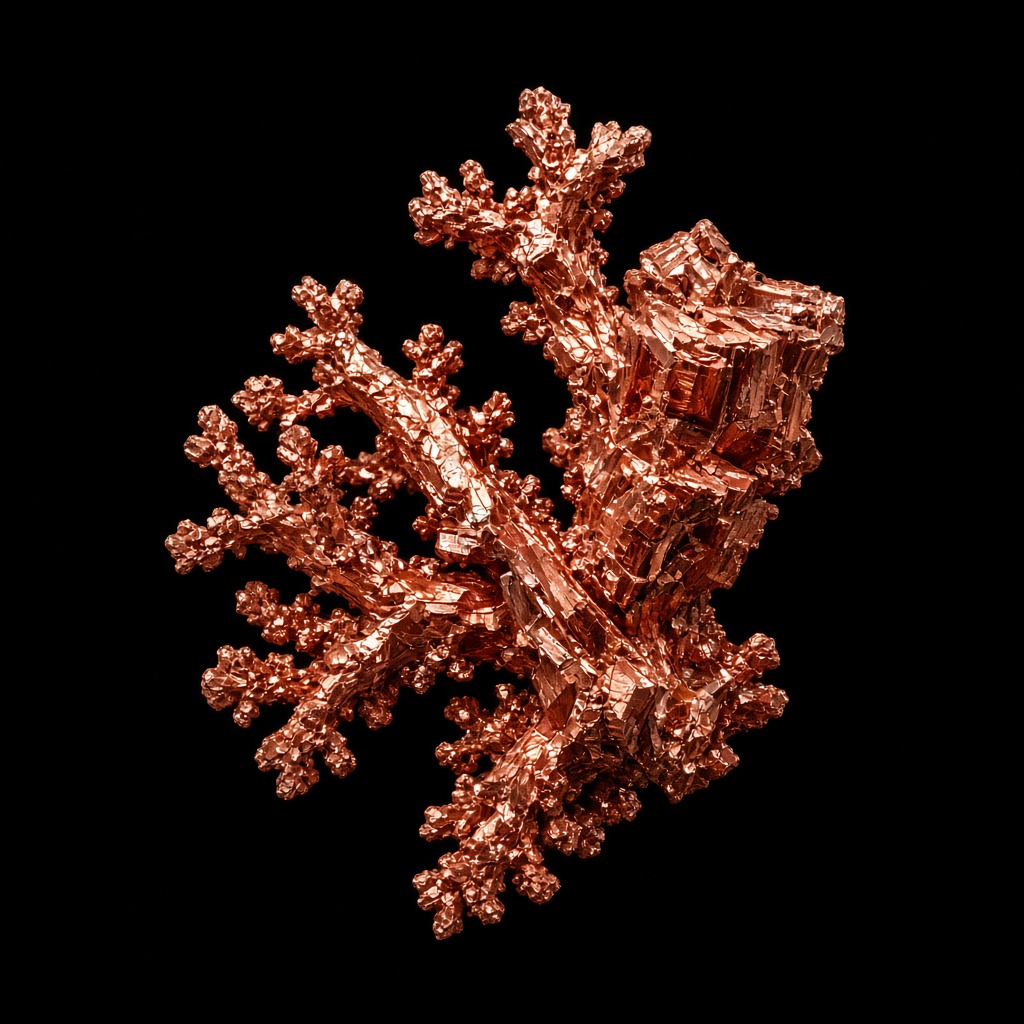
Native copper — malleable red metal and historic Michigan ore staple.
Identify Native Copper with RockScanAbout Native Copper
Native copper forms branching masses and crystals, famously from Michigan's Keweenaw Peninsula. Surfaces oxidize to brown and green copper carbonates. Soft and dense. Economic copper today is mostly from sulfides (chalcopyrite) and oxides, but native copper remains an iconic ore mineral.
Native Copper belongs in a crystal identifier workflow because photo cues — color zoning, crystal habit, and surface luster — combine with measurable traits like Mohs 2.5–3 and specific gravity 8.9. Use RockScan’s camera to get a first-pass ID, then confirm with the checklist below.
Native Copper properties
| Mohs hardness | 2.5–3 |
|---|---|
| Crystal system | Cubic |
| Luster | Metallic |
| Color | Copper-red; tarnishes brown/green |
| Composition | Elemental copper |
| Formation | Basalt-related deposits and secondary enrichment |
| Occurrence | Michigan (Keweenaw), Arizona, Namibia, Russia |
| Specific gravity | 8.9 |
| Cleavage | None |
How to identify Native Copper
- Copper-red fresh surface
- Malleable; SG ~8.9
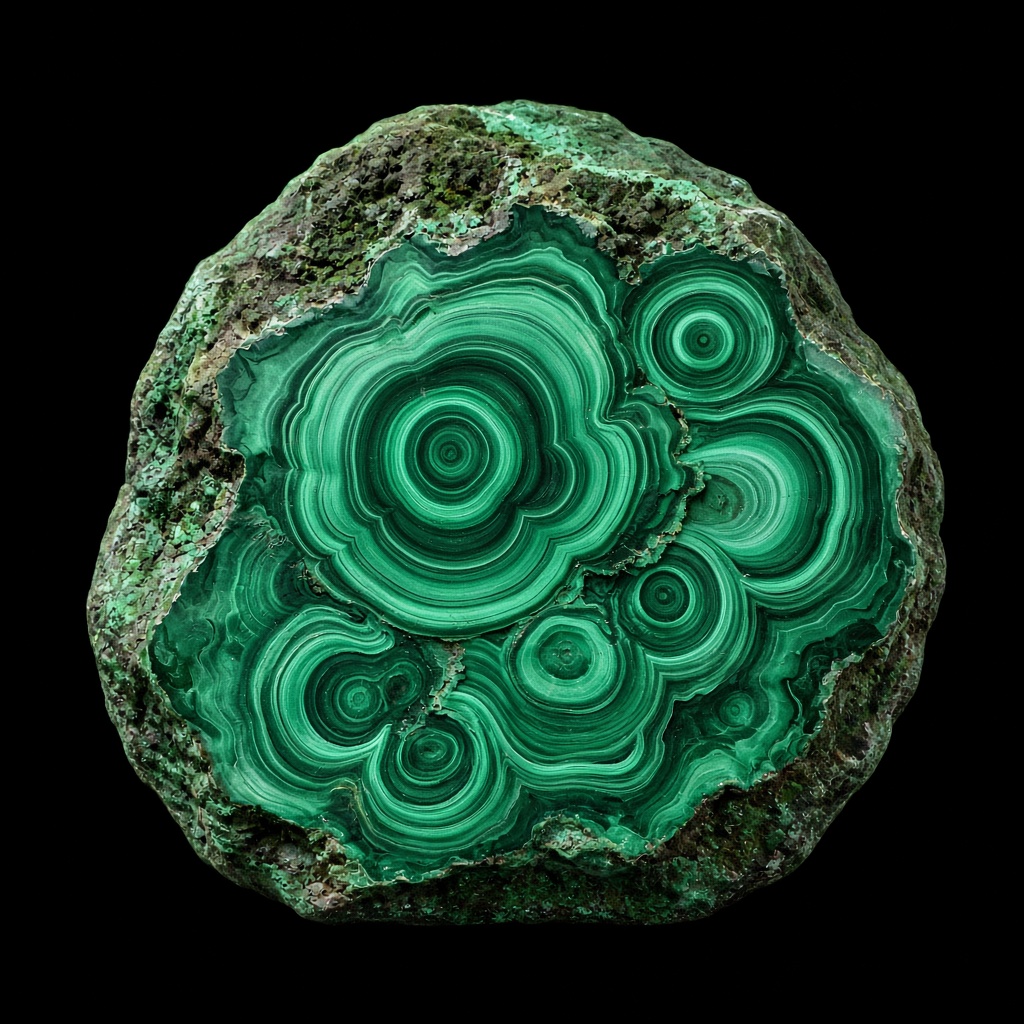
- Green oxidation (malachite) common on surfaces
Collector notes
- Michigan native copper fueled 19th-century US industry
- Crystallizes in cubes and tetrahexahedra when well formed
Value context: Aesthetic branching specimens are collected; ore priced by Cu content.
Native Copper FAQ
How do you identify Native Copper?
Native Copper (Cu) is typically recognized by copper-red; tarnishes brown/green color, metallic luster, Mohs hardness 2.5–3, and cubic crystal system. RockScan can suggest Native Copper from a photo and surface these checks on the result card.
What is Native Copper made of?
Native Copper composition: Elemental copper. It forms via basalt-related deposits and secondary enrichment and is found in Michigan (Keweenaw), Arizona, Namibia, Russia.
Is Native Copper valuable?
Aesthetic branching specimens are collected; ore priced by Cu content.