Crystal & mineral guide
Cassiterite
SnO₂
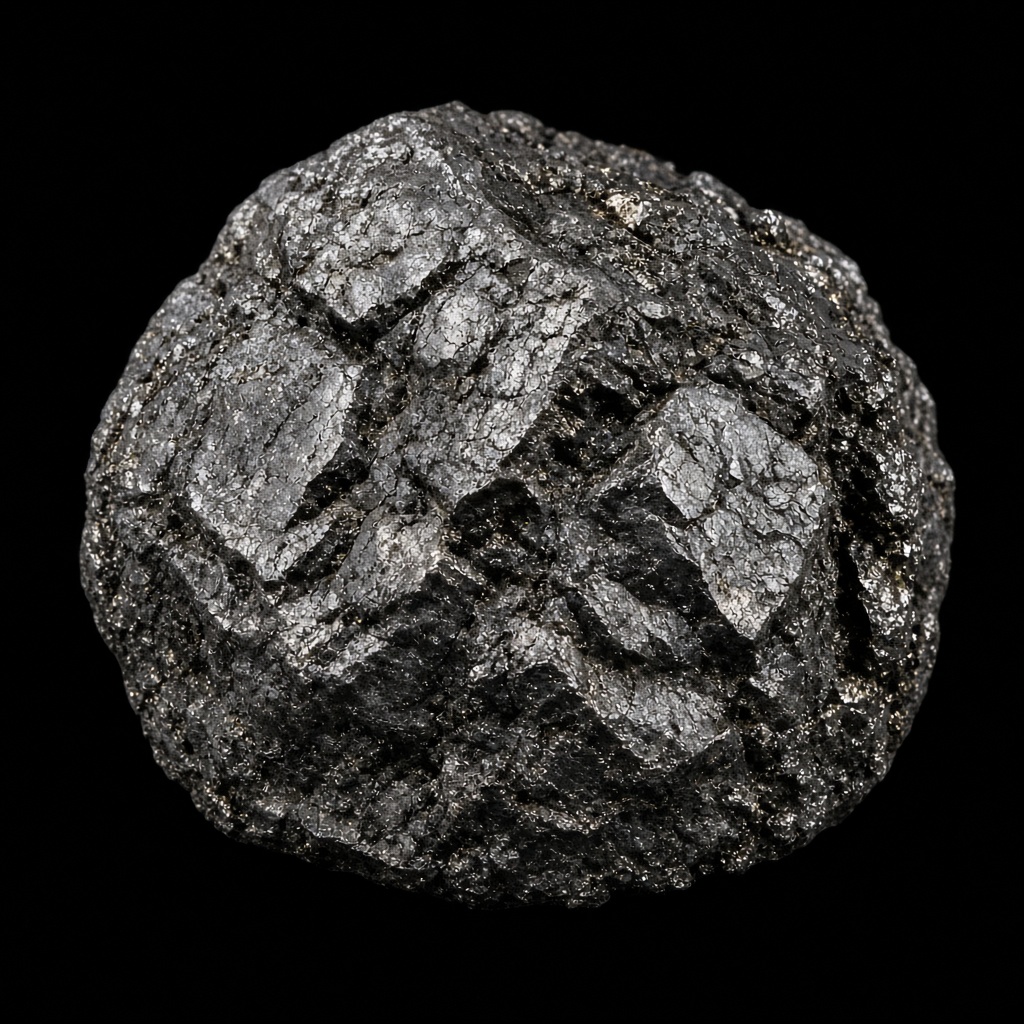
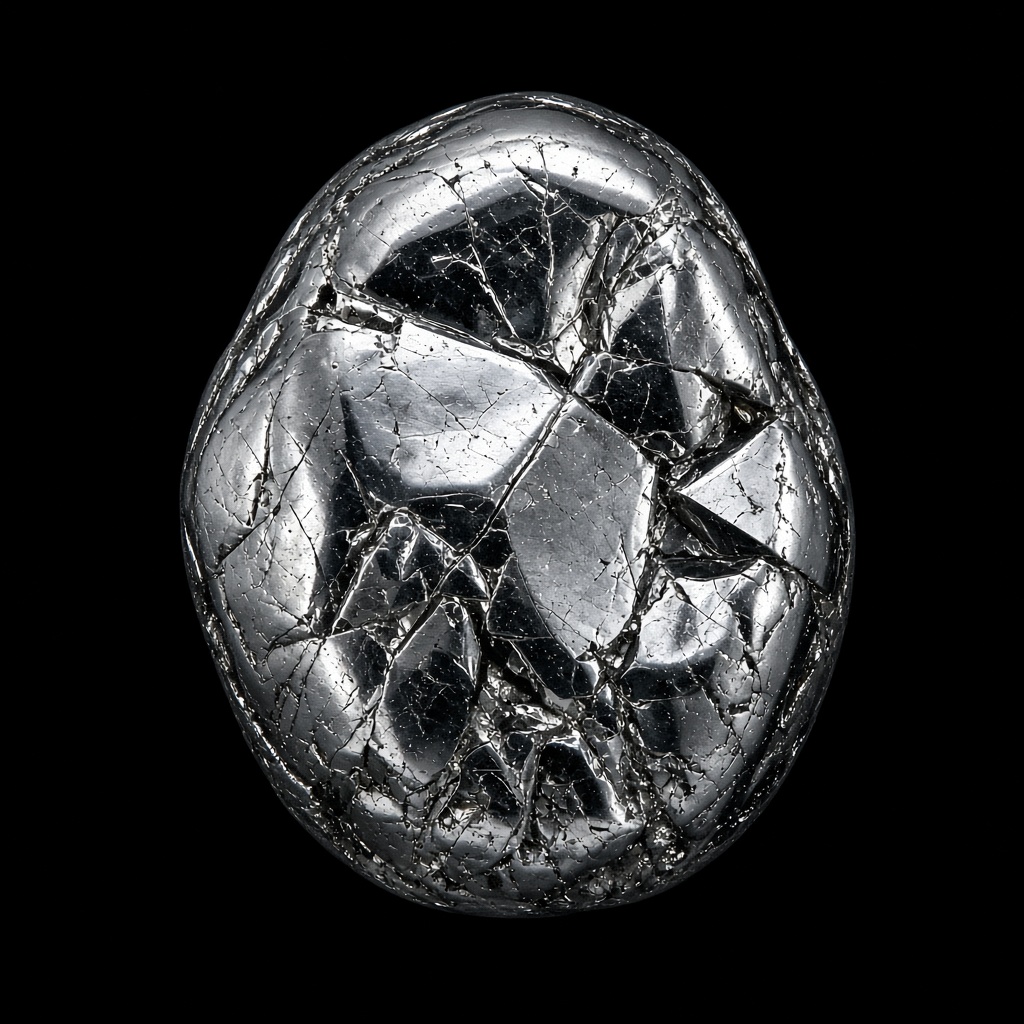
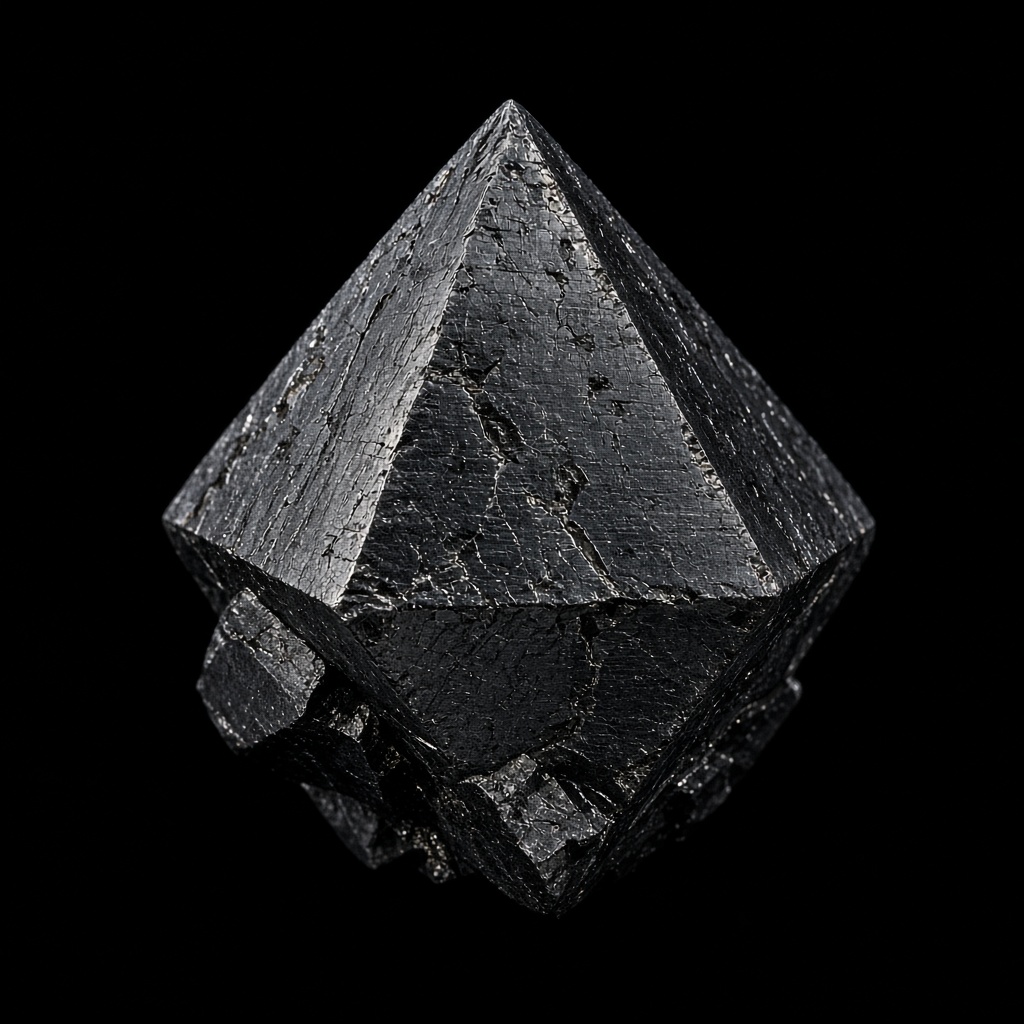
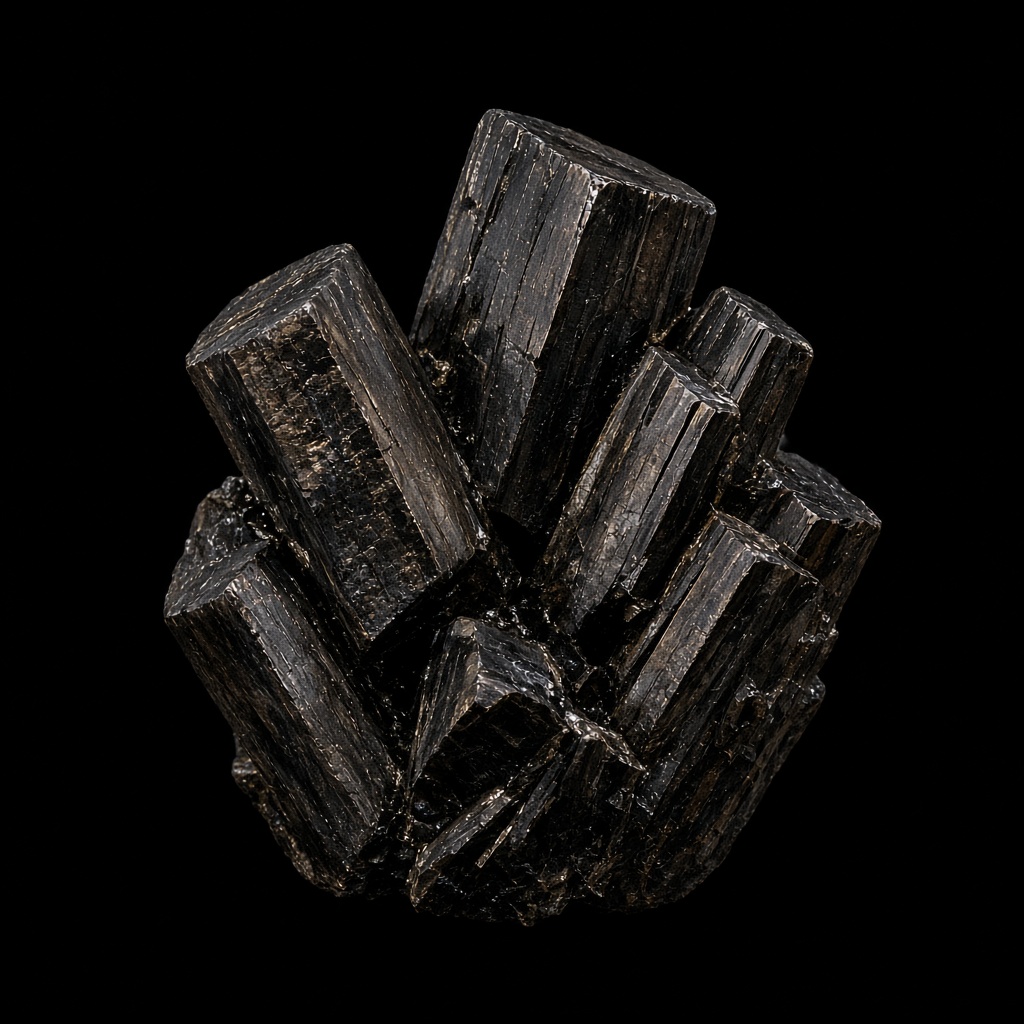
Primary tin ore — dense adamantine crystals and placer concentrates.
Identify Cassiterite with RockScanAbout Cassiterite
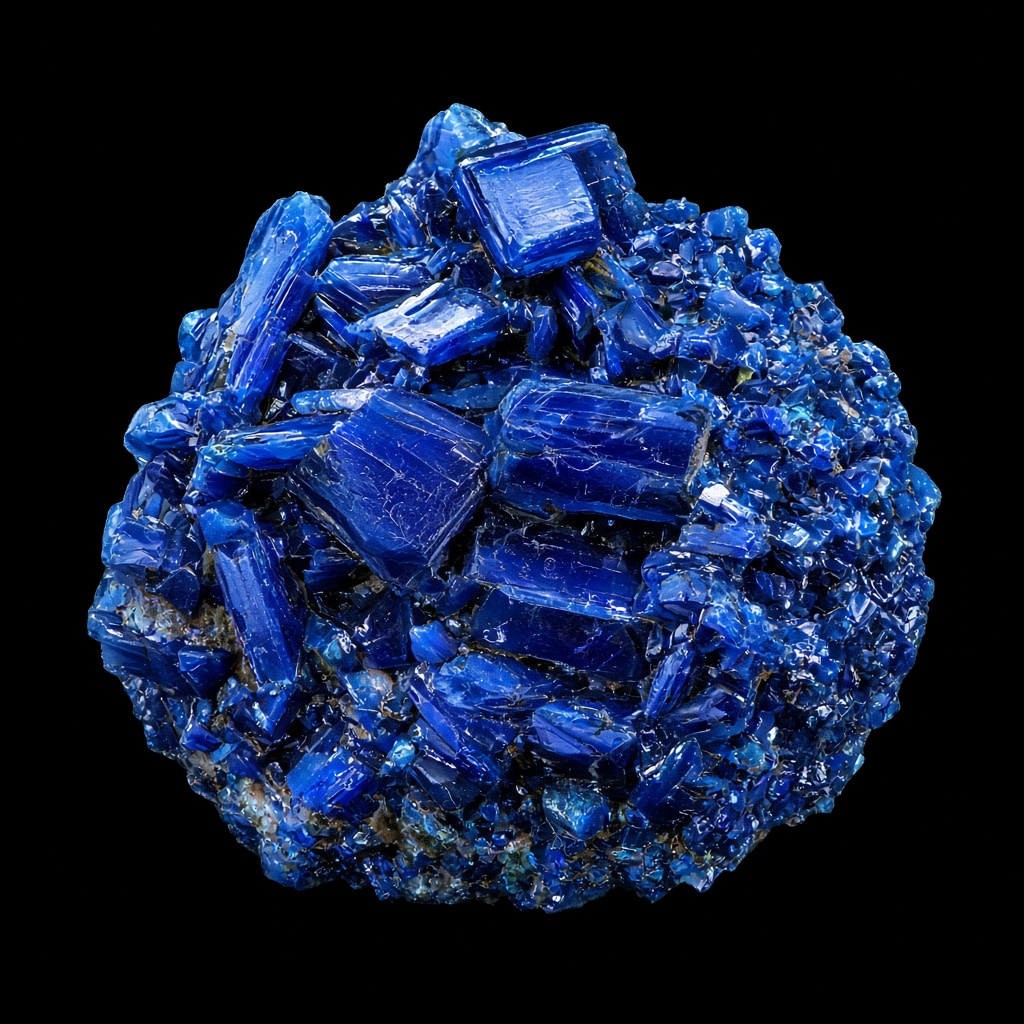
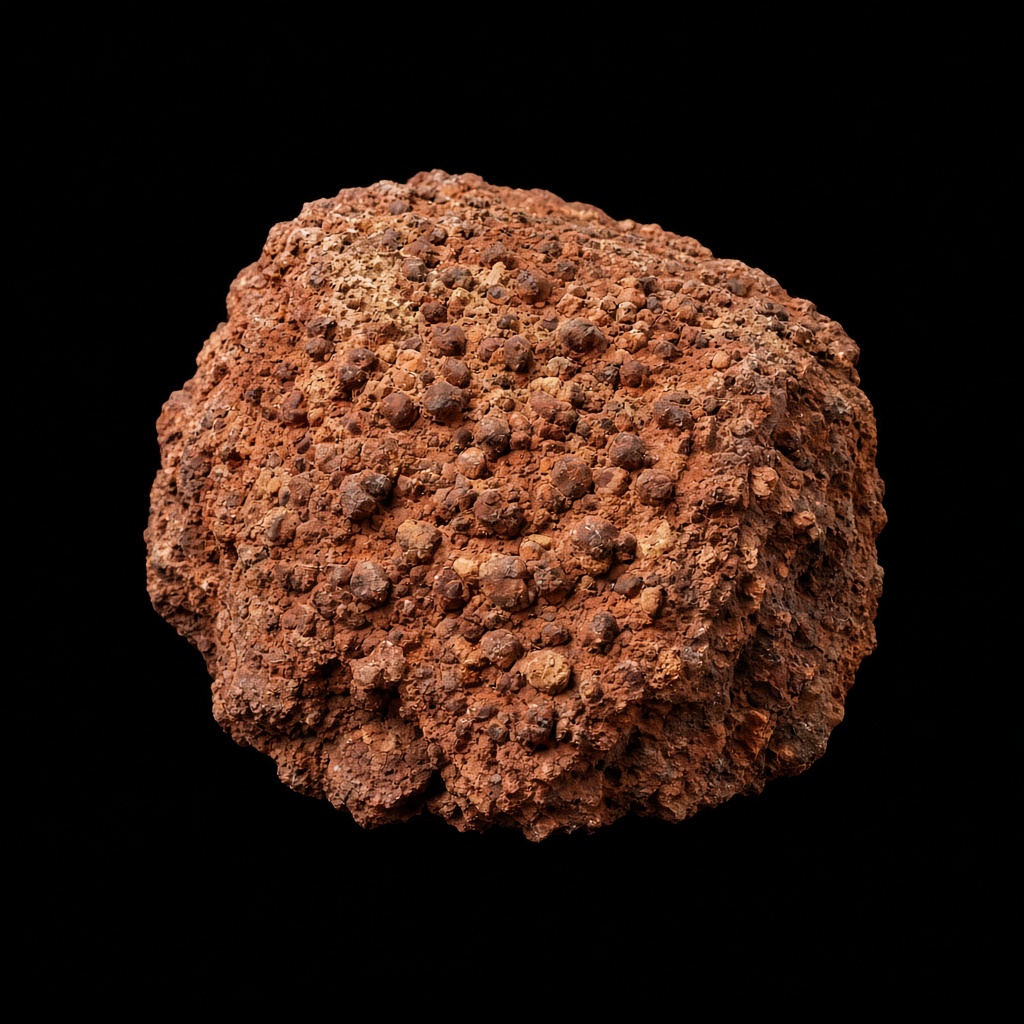
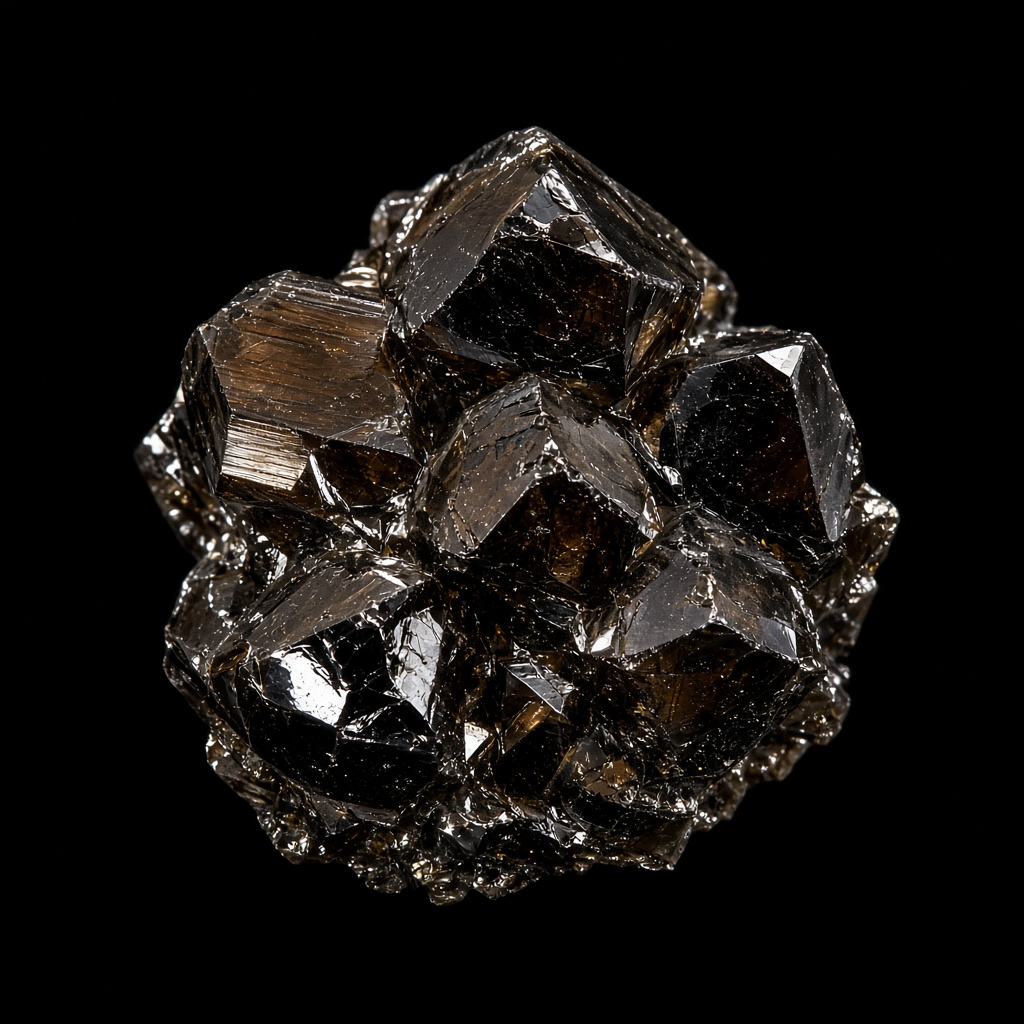
Cassiterite is the main tin ore for bronze and modern solder/electronics. High SG concentrates it in placers. Twin crystals (knee twins) are classic. Hard and heavy — field ID against similar dark minerals relies on density and adamantine luster.
Cassiterite belongs in a crystal identifier workflow because photo cues — color zoning, crystal habit, and surface luster — combine with measurable traits like Mohs 6–7 and specific gravity 6.8–7.1. Use RockScan’s camera to get a first-pass ID, then confirm with the checklist below.
Cassiterite properties
| Mohs hardness | 6–7 |
|---|---|
| Crystal system | Tetragonal |
| Luster | Adamantine to metallic |
| Color | Brown, black, yellow |
| Composition | Tin dioxide |
| Formation | Hydrothermal veins and placer deposits from granites |
| Occurrence | China, Indonesia, Peru, Bolivia, DRC, Malaysia |
| Specific gravity | 6.8–7.1 |
| Cleavage | Imperfect |
How to identify Cassiterite
- Very high SG (~7)
- Adamantine luster on crystals
- Light brown/pale streak
Collector notes
- Enabled the Bronze Age as the tin source alloyed with copper
- Stream tin placers built historic Southeast Asian tin trade
Value context: Ore by Sn grade; fine twinned crystals are collector-priced.
Cassiterite FAQ
How do you identify Cassiterite?
Cassiterite (SnO₂) is typically recognized by brown, black, yellow color, adamantine to metallic luster, Mohs hardness 6–7, and tetragonal crystal system. RockScan can suggest Cassiterite from a photo and surface these checks on the result card.
What is Cassiterite made of?
Cassiterite composition: Tin dioxide. It forms via hydrothermal veins and placer deposits from granites and is found in China, Indonesia, Peru, Bolivia, DRC, Malaysia.
Is Cassiterite valuable?
Ore by Sn grade; fine twinned crystals are collector-priced.