Crystal & mineral guide
Chromite
FeCr₂O₄
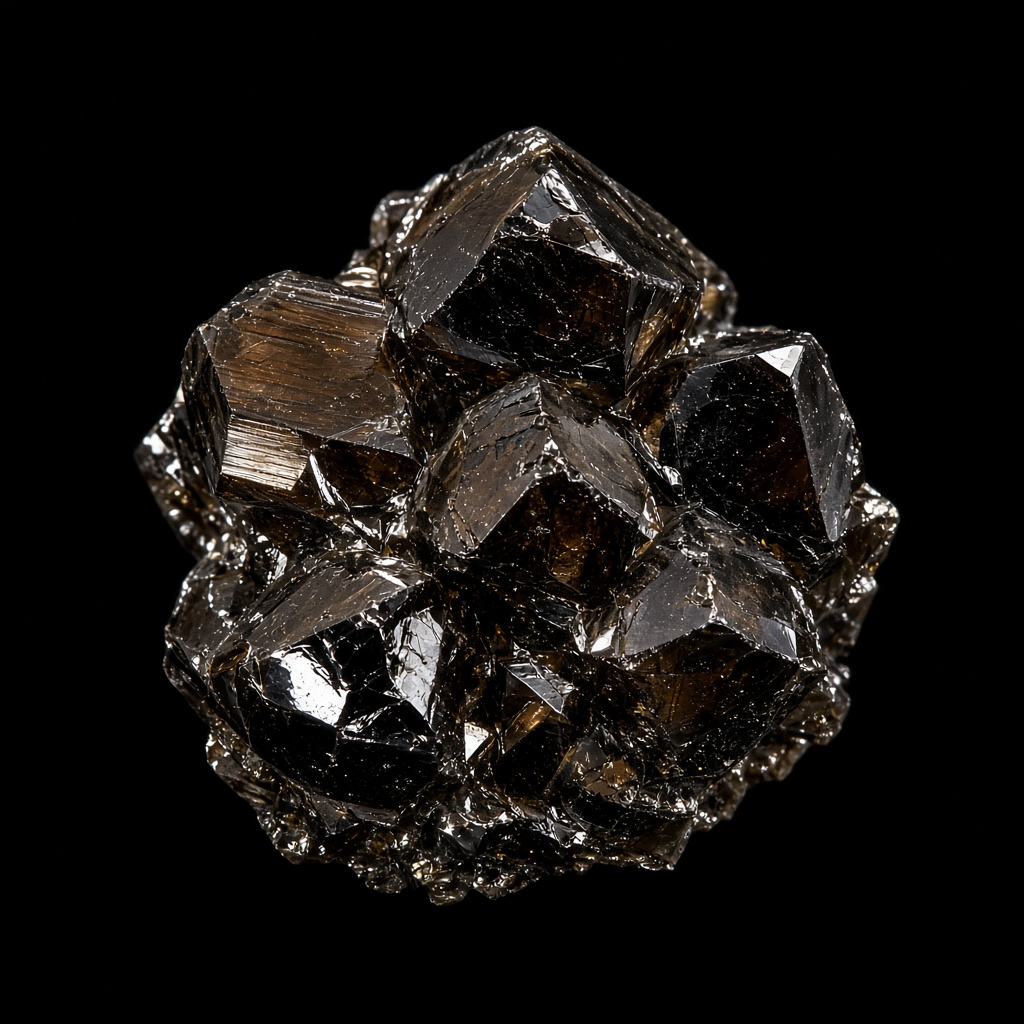
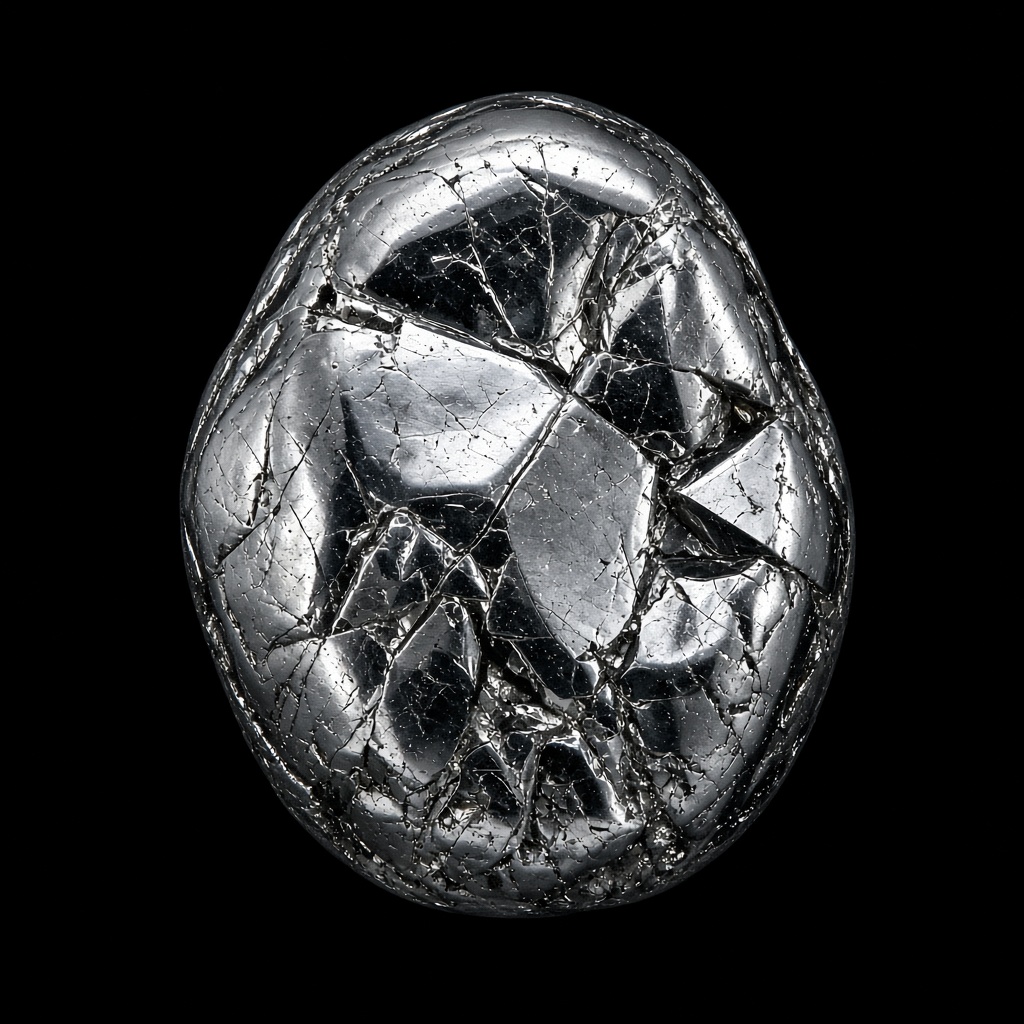
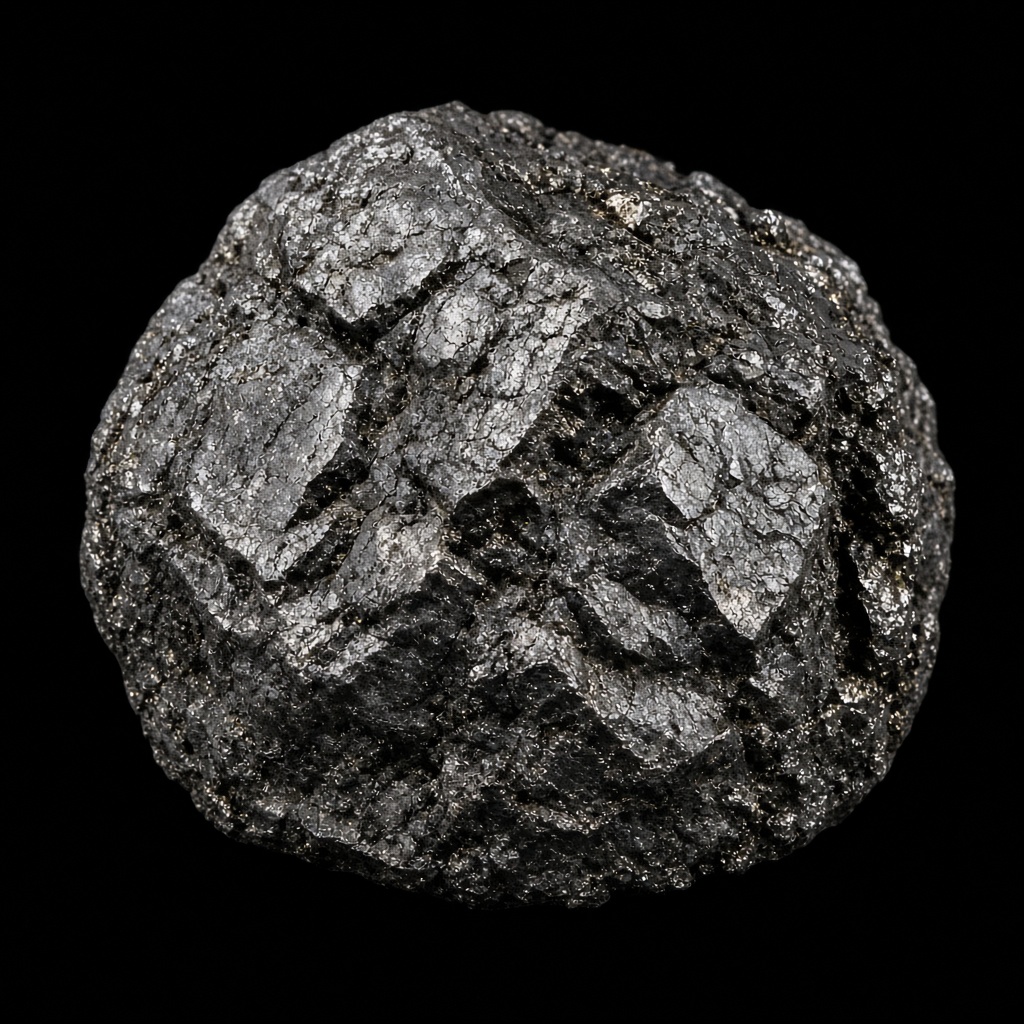
Primary chromium ore — black spinel of ultramafic layered complexes.
Identify Chromite with RockScanAbout Chromite
Chromite is the only significant chromium ore, essential for stainless steel. Occurs in stratiform layers (Bushveld) and podiform ophiolite deposits. Weakly magnetic. Brown streak helps vs magnetite.
Chromite belongs in a crystal identifier workflow because photo cues — color zoning, crystal habit, and surface luster — combine with measurable traits like Mohs 5.5 and specific gravity 4.5–4.8. Use RockScan’s camera to get a first-pass ID, then confirm with the checklist below.
Chromite properties
| Mohs hardness | 5.5 |
|---|---|
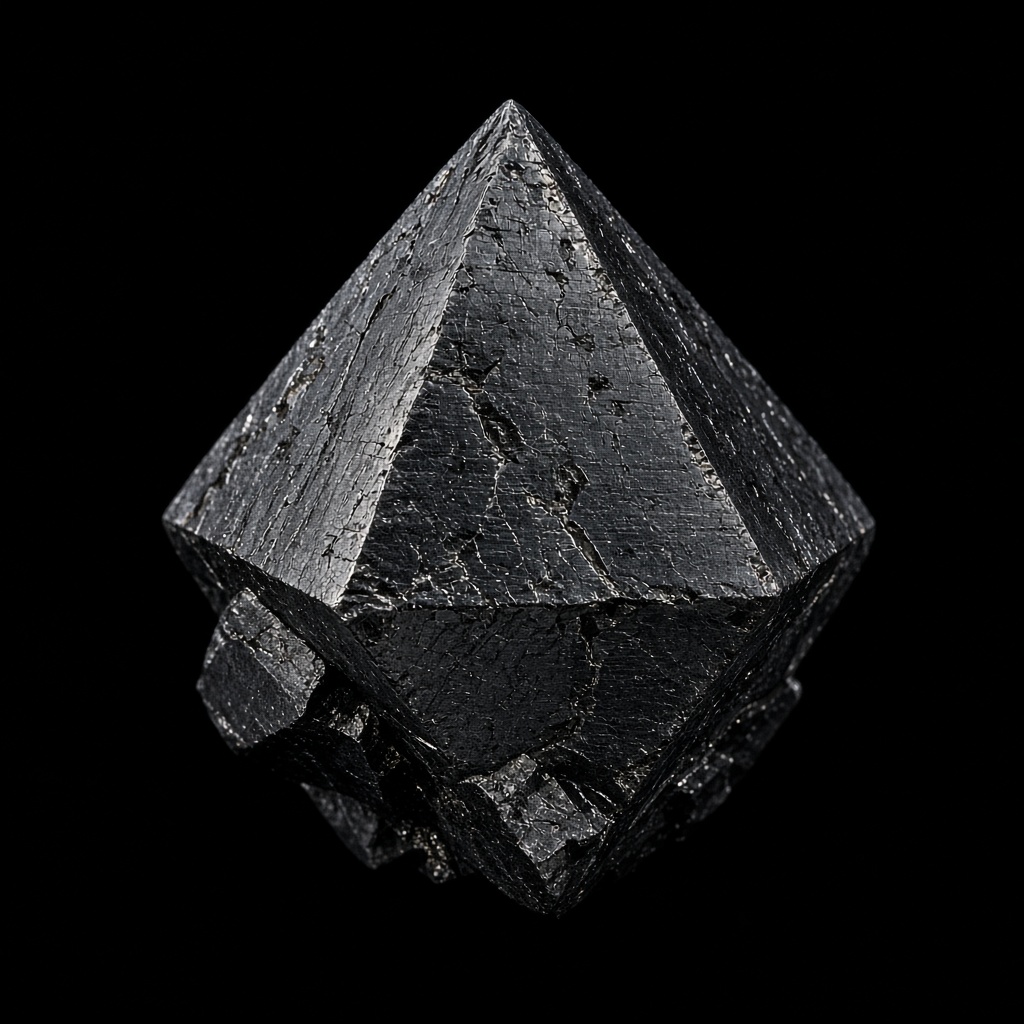
| Crystal system | Cubic |
| Luster | Metallic to submetallic |
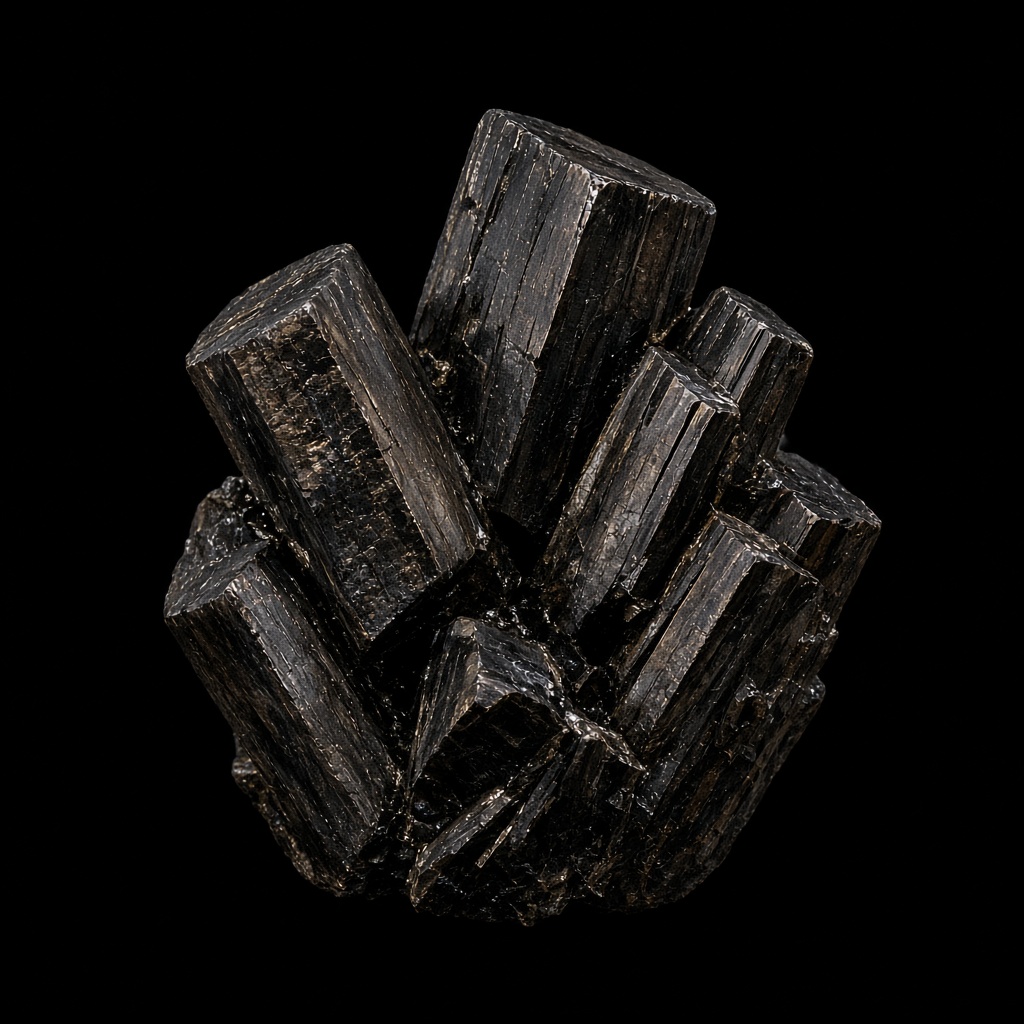
| Color | Black to brownish black |
| Composition | Iron chromium oxide (spinel group) |
| Formation | Layered mafic-ultramafic intrusions and ophiolites |
| Occurrence | South Africa, Kazakhstan, India, Turkey, Albania |
| Specific gravity | 4.5–4.8 |
| Cleavage | None |
How to identify Chromite
- Black; brown streak
- Weakly magnetic vs magnetite
- Ultramafic host rock association
Collector notes
- Bushveld Complex hosts world-class chromite seams
- Chromium gives stainless steel its corrosion resistance
Value context: Ore graded by Cr₂O₃ content and Cr:Fe ratio.
Chromite FAQ
How do you identify Chromite?
Chromite (FeCr₂O₄) is typically recognized by black to brownish black color, metallic to submetallic luster, Mohs hardness 5.5, and cubic crystal system. RockScan can suggest Chromite from a photo and surface these checks on the result card.
What is Chromite made of?
Chromite composition: Iron chromium oxide (spinel group). It forms via layered mafic-ultramafic intrusions and ophiolites and is found in South Africa, Kazakhstan, India, Turkey, Albania.
Is Chromite valuable?
Ore graded by Cr₂O₃ content and Cr:Fe ratio.