Crystal & mineral guide
Chalcedony
SiO₂ (microcrystalline quartz)
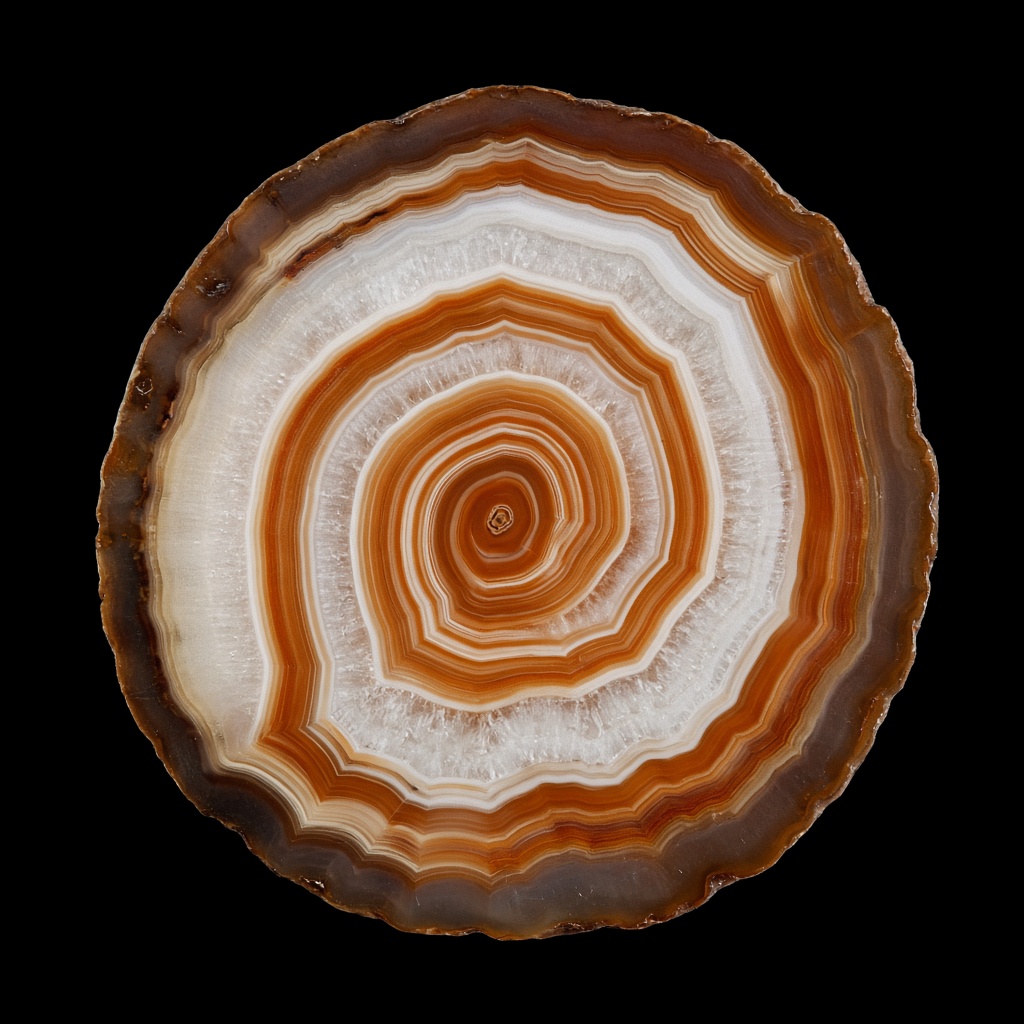
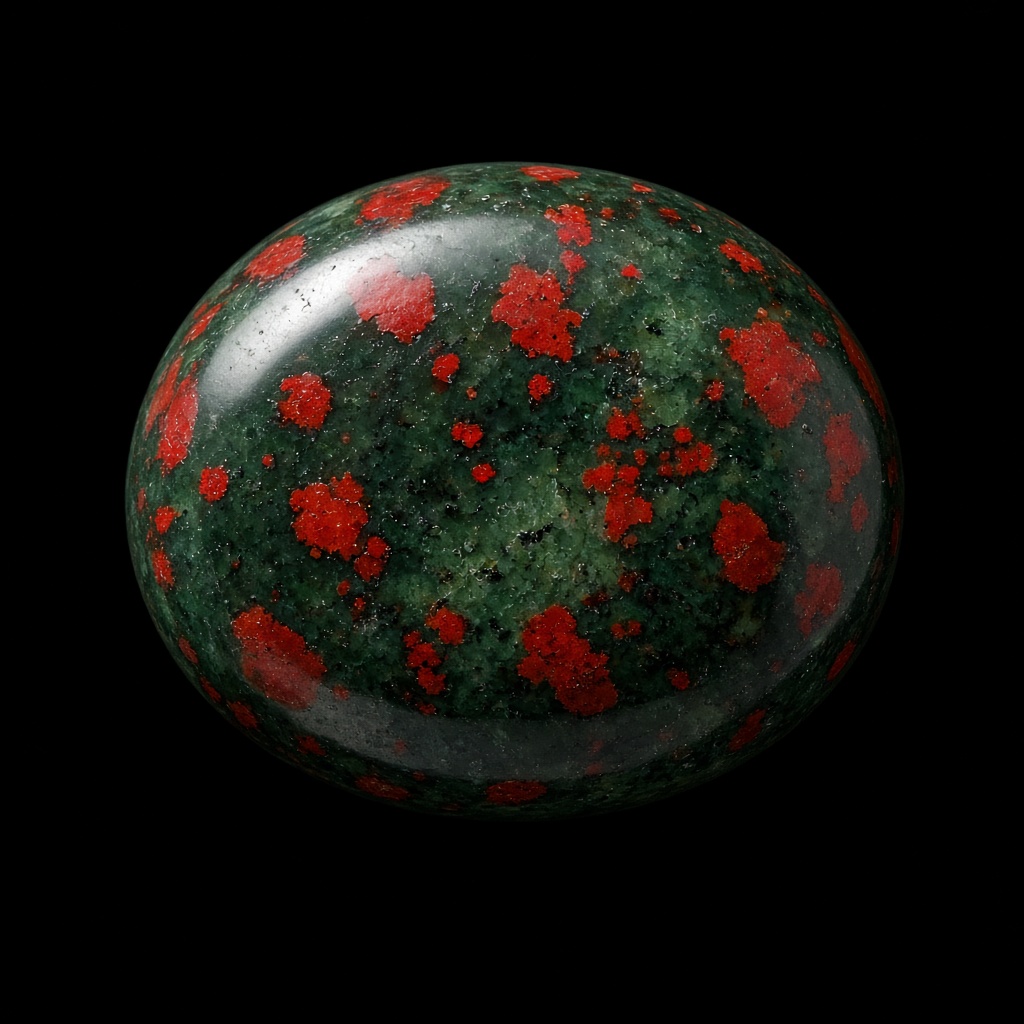
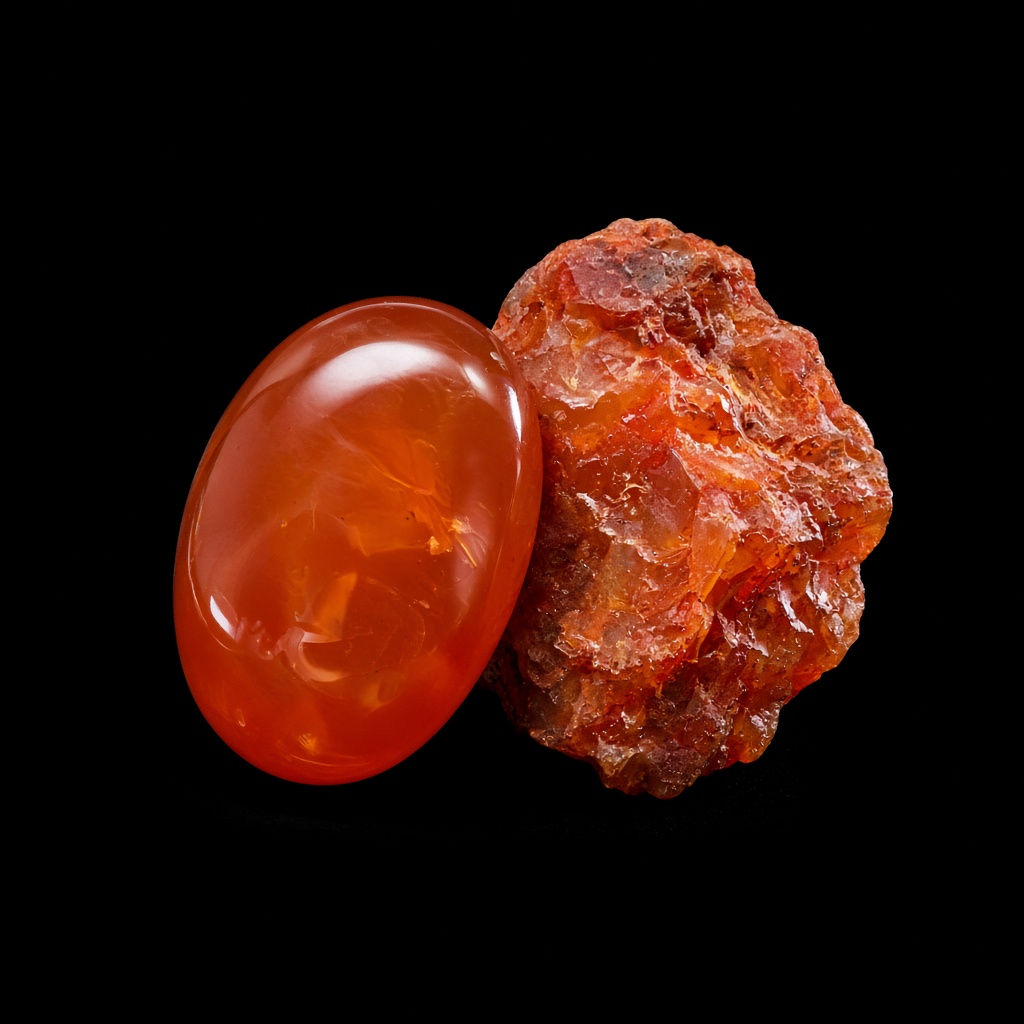
Parent microcrystalline quartz of agate, carnelian, onyx, and jasper varieties.
Identify Chalcedony with RockScanAbout Chalcedony
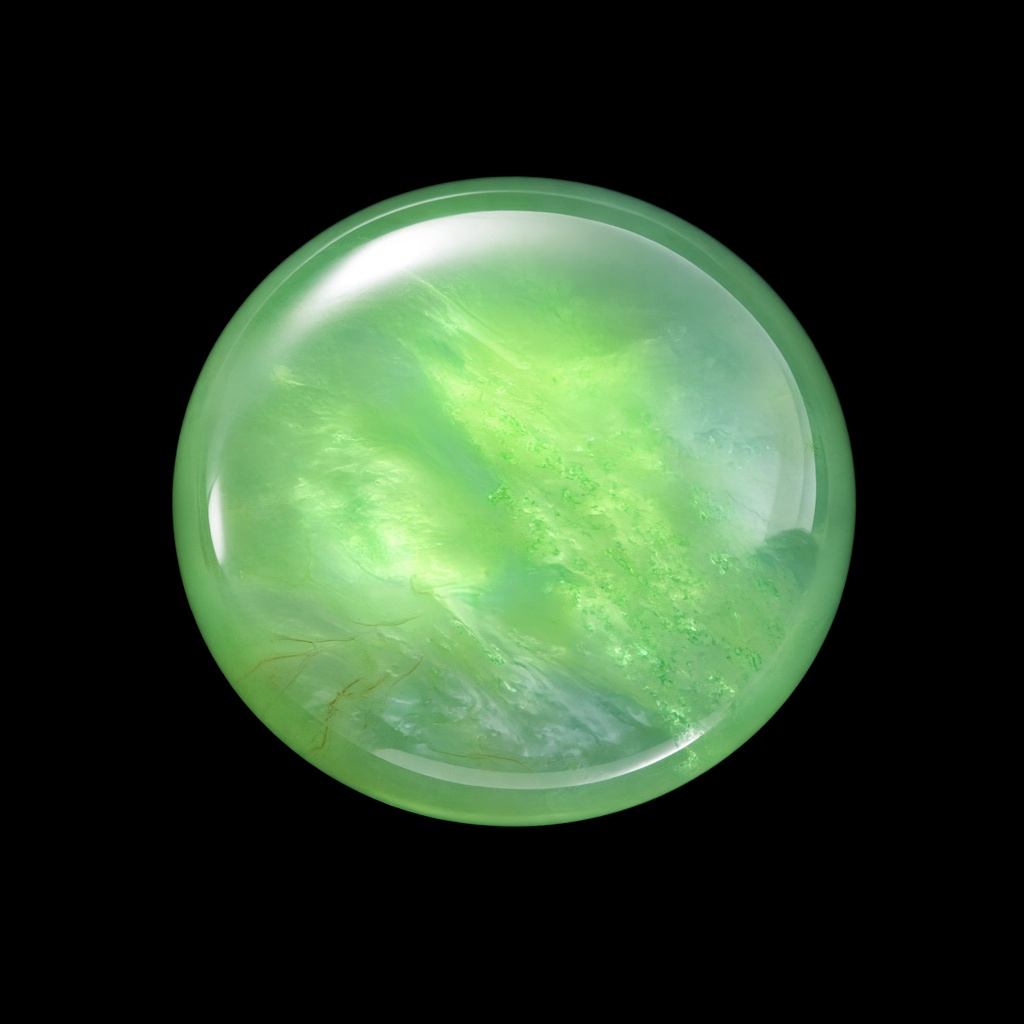
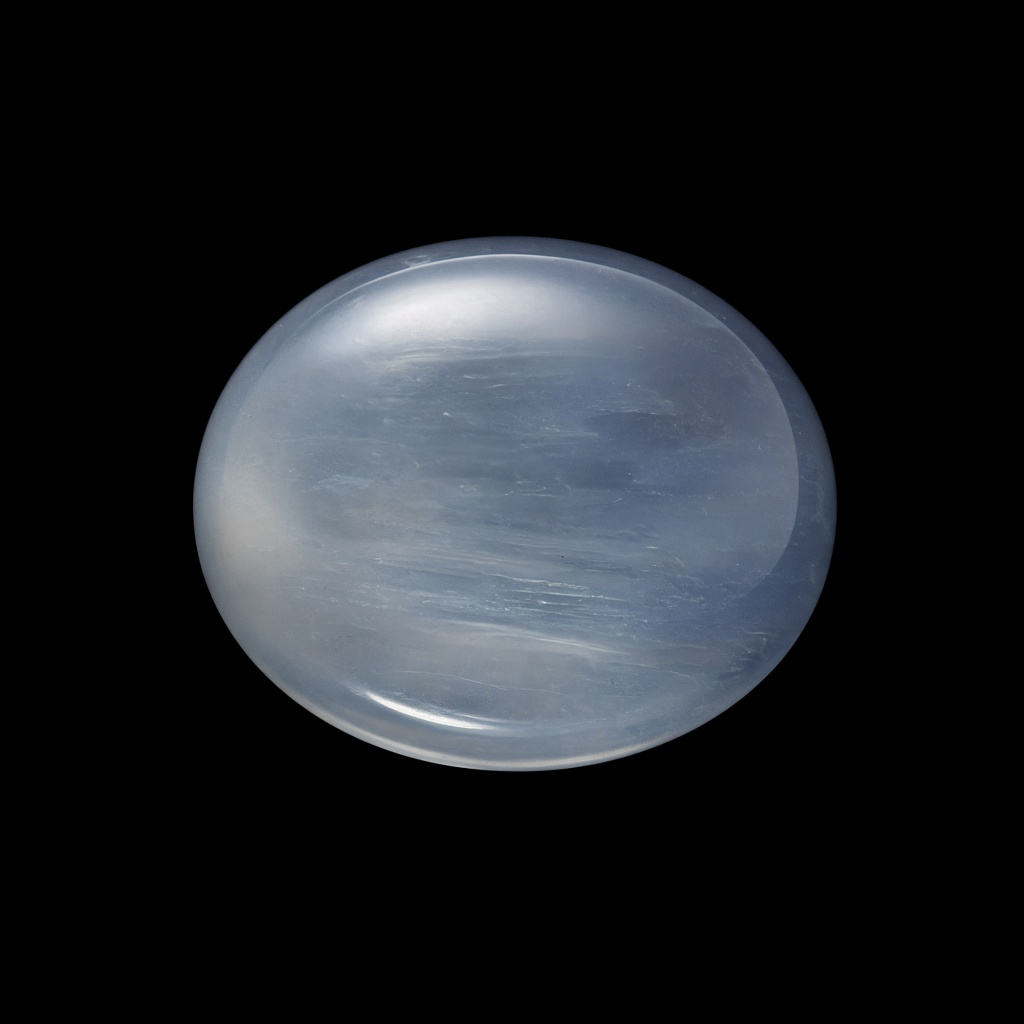
Chalcedony is the trade name for translucent unbanded microcrystalline quartz, often blue-gray or lavender. It is the structural parent of agate, carnelian, chrysoprase, and related gems. Smooth waxy polish and toughness make it ideal for cabochons and cameos.
Chalcedony belongs in a crystal identifier workflow because photo cues — color zoning, crystal habit, and surface luster — combine with measurable traits like Mohs 6.5–7 and specific gravity 2.58–2.64. Use RockScan’s camera to get a first-pass ID, then confirm with the checklist below.
Chalcedony properties
| Mohs hardness | 6.5–7 |
|---|---|
| Crystal system | Trigonal (microcrystalline) |
| Luster | Waxy to vitreous |
| Color | Blue-gray, white, lavender, brown |
| Composition | Cryptocrystalline quartz (fibrous microstructure) |
| Formation | Low-temperature silica precipitation from solutions |
| Occurrence | Worldwide; Namibia, Turkey, India, Brazil |
| Specific gravity | 2.58–2.64 |
| Cleavage | None |
How to identify Chalcedony
- Waxy translucent look without visible crystals
- Hardness 7; no cleavage
- RI near quartz (~1.53–1.54)
Collector notes
- Name from the ancient town of Chalcedon (near Istanbul)
- Blue chalcedony from Namibia is a modern jewelry favorite
Value context: Even translucent blue-lavender material brings the strongest jewelry demand.
Chalcedony FAQ
How do you identify Chalcedony?
Chalcedony (SiO₂ (microcrystalline quartz)) is typically recognized by blue-gray, white, lavender, brown color, waxy to vitreous luster, Mohs hardness 6.5–7, and trigonal (microcrystalline) crystal system. RockScan can suggest Chalcedony from a photo and surface these checks on the result card.
What is Chalcedony made of?
Chalcedony composition: Cryptocrystalline quartz (fibrous microstructure). It forms via low-temperature silica precipitation from solutions and is found in Worldwide; Namibia, Turkey, India, Brazil.
Is Chalcedony valuable?
Even translucent blue-lavender material brings the strongest jewelry demand.